Orlogsmuseet Review
History Museums · Copenhagen, Denmark. Orlogsmuseet, located in Copenhagen, Denmark, stands as a testament to the country’s maritime legacy and naval history. The museum is dedicated to chronicling the development and achievements of the Royal Danish Navy, spanning centuries…
History Museums · Copenhagen, Denmark. Orlogsmuseet, located in Copenhagen, Denmark, stands as a testament to the country’s maritime legacy and naval history. The museum is dedicated to chronicling the development and achievements of the Royal Danish Navy, spanning centuries…
Best forMaritime history, ships, harbour heritage
Review focusHistorical collections, local context, and visitor planning
Historical Context
Orlogsmuseet, located in Copenhagen, Denmark, stands as a testament to the country’s maritime legacy and naval history. The museum is dedicated to chronicling the development and achievements of the Royal Danish Navy, spanning centuries of naval innovation, exploration, and warfare. Denmark’s strategic position along the Baltic and North Seas has long necessitated a strong naval presence, influencing both military tactics and shipbuilding craftsmanship. Established to preserve this heritage, Orlogsmuseet offers insight into Denmark’s naval past from the age of wooden ships to the modern era. The museum's narrative encompasses not only the technical aspects of naval vessels but also the stories of the people who served aboard them, as well as the geopolitical forces that shaped naval engagements throughout history.
What You See on Arrival
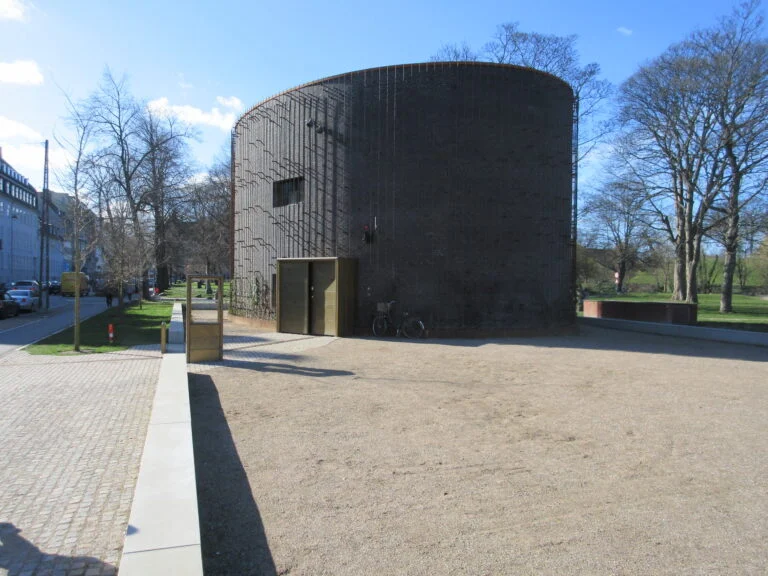
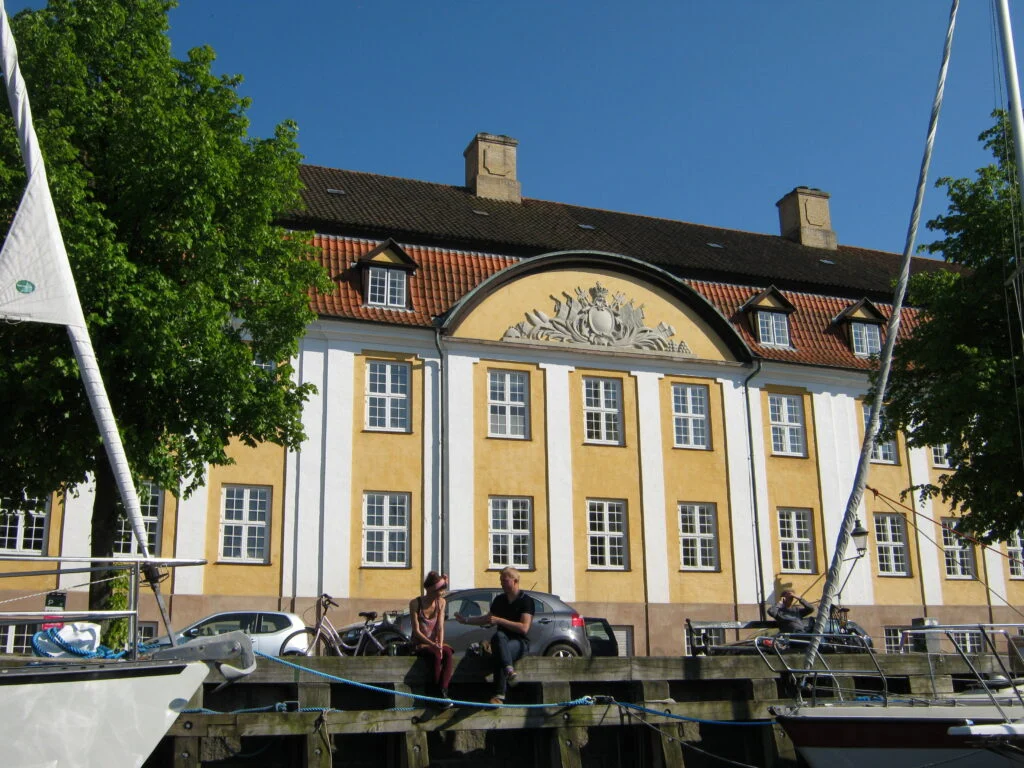
Upon approaching Orlogsmuseet, visitors are immediately confronted by the imposing architecture of the historical building itself, which reflects the robust and enduring nature of Denmark’s naval tradition. Situated on the waterfront in Copenhagen, the museum is easily recognizable by its maritime ambiance and distinctive external features, including maritime flags and period naval artifacts displayed near the entrance. The surroundings evoke the close relationship between the city and its naval past, with views overlooking the harbor enhancing the experience before even stepping inside. The entryway offers a glimpse into the museum’s extensive collection through visible displays, setting the tone for the naval journey about to unfold.
Highlights and Key Exhibitions
Orlogsmuseet excels in presenting a comprehensive array of exhibits that span several centuries of naval history. One of the major draws is the collection of scale models of Danish warships, which meticulously showcase the evolution of shipbuilding design and technology. These models, crafted with remarkable detail, provide visitors with a clear understanding of the various classes of ships that have protected Danish waters over the years. Another highlight is the exhibition of original naval artifacts, including maritime weaponry, navigational instruments, uniforms, and personal items belonging to sailors and officers. The museum also features an engaging display dedicated to the pivotal naval battles that shaped Denmark’s maritime dominance and its role in wider European conflicts. This section combines dramatic storytelling with historical data, offering a well-rounded appreciation of Denmark’s naval endeavors.
The museum’s archival photographs and documents add depth to the exhibits, allowing visitors to engage with personal narratives and broader historical contexts. Exhibitions on underwater warfare and submarine operations present a more modern perspective, illustrating technological shifts and strategic changes in naval tactics during the 20th century. While the museum avoids temporary exhibition speculation, its permanent displays are thoughtfully curated to appeal to military historians, maritime enthusiasts, and general visitors alike.
Visitor Experience
The layout of Orlogsmuseet facilitates a logical and immersive exploration of Denmark’s naval history. Clear signage and informative plaques accompany nearly every exhibit, providing context without overwhelming the visitor. Audio guides and guided tours are available to enrich the experience, offering detailed explanations and anecdotes that bring the exhibits to life. The museum’s design allows for intimate viewing of model ships and other smaller artifacts, while larger items such as cannons and life-sized boat replicas are housed in spacious galleries that reflect their scale and significance.
However, visitors should be prepared for some degree of academic density; the museum’s thoroughness means that those with a casual interest may find some areas more detailed than necessary. Nonetheless, interactive installations, including simulation panels and multimedia presentations focused on naval navigation and ship mechanics, help to engage a broader demographic, including younger visitors.
Tickets, Access, and Planning
Orlogsmuseet is conveniently located in Copenhagen, accessible via public transportation, with nearby parking options for those traveling by car. The museum’s website provides up-to-date information on opening hours, special events, and accessibility services. Admission fees are moderate, reflecting the quality and scope of the collections, with discounts available for students, seniors, and groups. Visitors planning to attend with family or children will appreciate the availability of family tickets and child-friendly educational materials.
The museum is wheelchair accessible, and staff are reportedly attentive to visitor needs, ensuring a welcoming environment for travelers with mobility challenges. Planning a visit during weekdays or non-peak hours is advisable for a quieter, more contemplative experience. Refreshment facilities are available on-site, allowing guests to pause between exhibits without needing to leave the premises. For those wishing to delve deeper, the museum shop offers a range of publications and replicas related to Danish naval history.
Final Verdict
Orlogsmuseet offers a richly rewarding exploration of Denmark’s maritime heritage through its comprehensive and carefully curated collections. Its strength lies in its balance between technical naval history and human stories, making it a valuable resource for historians and a fascinating experience for casual visitors interested in military history. Although some exhibits may appear detailed and dense, these characteristics contribute to the museum’s authenticity and educational value. The museum’s waterfront location and thoughtfully designed spaces enhance the overall atmosphere, bridging past and present maritime narratives.
In summary, Orlogsmuseet stands out as a significant cultural institution within Copenhagen’s museum landscape. It provides an essential narrative of Denmark’s naval importance, engaging visitors through detailed exhibits and a well-structured visitor experience. Whether one has a deep fascination with naval history or a general interest in maritime culture, this museum delivers a compelling and informative journey that resonates beyond its immediate context.