Opium War Museum Review
Military Museums · Dongguan, China. The Opium War Museum, located in Dongguan, China, offers a focused study of one of the pivotal episodes in Sino-Western relations during the 19th century: the Opium Wars. These conflicts, chiefly spanning the years…
Military Museums · Dongguan, China. The Opium War Museum, located in Dongguan, China, offers a focused study of one of the pivotal episodes in Sino-Western relations during the 19th century: the Opium Wars. These conflicts, chiefly spanning the years…
Best forMilitary history, design, remembrance
Review focusMilitary collections, historic context, and visitor planning
Historical Context
The Opium War Museum, located in Dongguan, China, offers a focused study of one of the pivotal episodes in Sino-Western relations during the 19th century: the Opium Wars. These conflicts, chiefly spanning the years 1839 to 1842 and 1856 to 1860, involved clashes between the Qing dynasty and Western powers, primarily Britain, over trade disputes and sovereignty. The wars led to significant changes in China’s political and economic landscape, including the forced opening of treaty ports, cession of Hong Kong, and broader concessions that significantly affected the country’s trajectory into the modern era.
Set within a region historically connected to these events, the museum situates the Opium Wars not just as isolated military conflicts but as moments that reshaped China’s national consciousness and interactions with foreign powers. The museum’s narrative also touches on the internal ramifications for Chinese society, including the rise of opium addiction and challenges to Qing authority. The broader story includes the interaction of imperialist ambitions with local resistance, highlighting how global trade influenced national identity and sovereignty in ways that resonate in China’s contemporary perspective on foreign relations.
What You See on Arrival
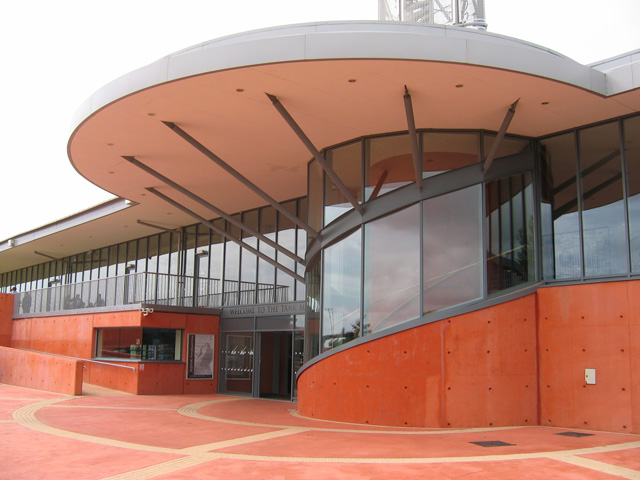
Upon entering the Opium War Museum, visitors encounter a structure and presentation style designed to immediately evoke the historical tension surrounding the Opium Wars. The exterior architecture and grounds are likely modest but purposeful, aligned with the museum’s educational function rather than grand aesthetics. Visual cues and signage establish the museum’s central theme and prepare visitors for a narrative that centers on conflict, cultural disruption, and resistance.
The entrance area probably offers introductory material that grounds visitors in the historical timeline and sets expectations for a detailed exploration of the wars’ causes, progress, and consequences. Early displays may provide a chronology and context about the differing perspectives involved, including the Qing government and Western traders. Collectively, the entrance frames the museum as an institution dedicated to telling a story of confrontation and change, signaling to visitors the seriousness of the subject matter and the depth of historical information that follows.
Highlights and Key Exhibitions
The core of the Opium War Museum lies in its exhibitions devoted to the events, people, and aftermath of the two Opium Wars. A comprehensive display likely encompasses various artifacts such as weapons, naval equipment, official documents, letters, and images that illustrate both military and diplomatic dimensions of the conflicts. These materials help illustrate how the wars unfolded and affected different sectors of society.
One key component of the museum’s collection centers on the role of opium itself—as a commodity deeply intertwined with trade and addiction. Exhibits may include specimens of opium pipes, samples of raw opium, and explanatory panels about cultivation, smuggling networks, and government efforts to curb consumption. This tangible connection to the drug shows the direct social impact of the trade beyond the battlefield.
Military history also figures prominently, with displays potentially showing Qing and British military strategies, ship models, and battle maps. These elements clarify the technological and tactical gap that often gave Western forces an advantage, reflecting broader themes of modernization and resistance. Alongside military aspects, the museum likely investigates diplomatic efforts, treaties such as the Treaty of Nanking, and their implications for Chinese sovereignty and territorial integrity.
Another significant area of focus would be on the consequences of the wars in terms of Chinese society and politics. This could involve exhibits on the weakening of Qing rule, popular resistance, and the intellectual debates that the national crisis inspired. History here is presented not only as confrontation but as a catalyst for significant change in China’s engagement with the world and its modernization efforts.
Throughout the exhibitions, attention is probably given to local perspectives, especially relevant given the museum’s location in Dongguan. This regional insight allows a more grounded narrative that connects global events to the lives and experiences of people in Guangdong province—the locale central to much of the Opium War history.
Visitor Experience
The Opium War Museum’s presentation style aims to balance detailed historical content with accessible interpretation, likely making it suitable for visitors with some prior knowledge of 19th-century Chinese history as well as those encountering the topic for the first time. The exhibition layout is expected to follow a chronological path, allowing a straightforward progression through the lead-up to the wars, the conflicts themselves, and aftermath.
Interpretive materials probably include a mix of text panels, photographs, reproductions of important documents, and three-dimensional display cases. These combine to create an informative narrative without overwhelming the visitor, though those less familiar with the historical context might benefit from preparatory reading or a guided introduction. The museum may lean towards a perspective grounded in Chinese historical interpretation, focusing on themes of sovereignty, resistance, and national trauma.
Given the sensitive subject matter surrounding addiction and imperialism, the museum likely treats these issues with sobriety and restraint. While engaging, the tone tends to be formal and reflective rather than sensational. However, visitors seeking interactive exhibits or more multimedia elements might find the displays more traditional in format, which could limit appeal for younger audiences accustomed to digital engagement.
The museum presumably offers opportunities to pause and reflect, with spaces designed to absorb the weight of the historical narrative. Visitors interested in military history, imperialism studies, or Qing dynasty affairs will find significant material to engage. At the same time, the museum is less focused on broader cultural or artistic content, so those looking for a more diverse museum experience might consider supplementing their visit with other institutions nearby.
Tickets, Access, and Planning
Official information about tickets, opening hours, discounts, and tours should be verified directly on the museum’s official website before planning a visit. As a municipal museum focusing on a defined historical topic, the Opium War Museum is likely to have standard admission policies, but details can vary, especially regarding group visits or seasonal hours.
Access to the museum, located in Dongguan, China, depends on local transport infrastructure and urban layout. Prospective visitors should confirm public transport options and available parking facilities ahead of time. The museum’s location should be considered within the context of other nearby cultural sites, as combining visits could optimize a broader historical itinerary.
Visitors who require special accommodations might find more detailed accessibility information through the museum’s resources; such details are typically not publicly comprehensive, so direct communication with the institution is advisable. Because the exhibitions focus heavily on historical artifacts and documents, photography and handling restrictions should be respected as outlined by museum staff.
Final Verdict
The Opium War Museum in Dongguan offers a specialized, historically grounded examination of a defining chapter in China’s 19th-century history. With a concentrated collection and narrative focus, it serves as a resource for understanding the economic, social, and political dimensions of the Opium Wars and their enduring legacy in China.
The museum’s strength lies in its clear presentation of complex historical dynamics, anchored by material culture and documentary evidence. This contributes to a coherent picture that highlights both the human cost and geopolitical shifts caused by the conflicts. It resonates particularly well with visitors interested in East Asian history, imperial encounters, and the specific regional dynamics of Guangdong province.
Limitations arise primarily from the museum’s narrow thematic focus and traditional display style. Those seeking broader contexts of Qing dynasty history, or a more interactive experience, might need to complement their visit with other sites or resources. Likewise, casual tourists without some background might find the material dense or challenging to navigate without supplementary interpretation.
Overall, the Opium War Museum stands as a purposeful institution contributing to public knowledge and memory of a contentious period. It invites thoughtful engagement with the legacy of imperialism and modern China’s path, deserving consideration by visitors with an interest in historic conflicts and their long-term consequences. Prospective visitors should check the museum’s official website for the latest information regarding visiting conditions to ensure a smooth and informed experience.