Opium War Museum
Military Museums · Dongguan, China. The Opium War Museum in Dongguan, China, is a local history museum focused on one of the defining conflicts of the 19th century in Chinese history. It centers on the Opium Wars, a pair…
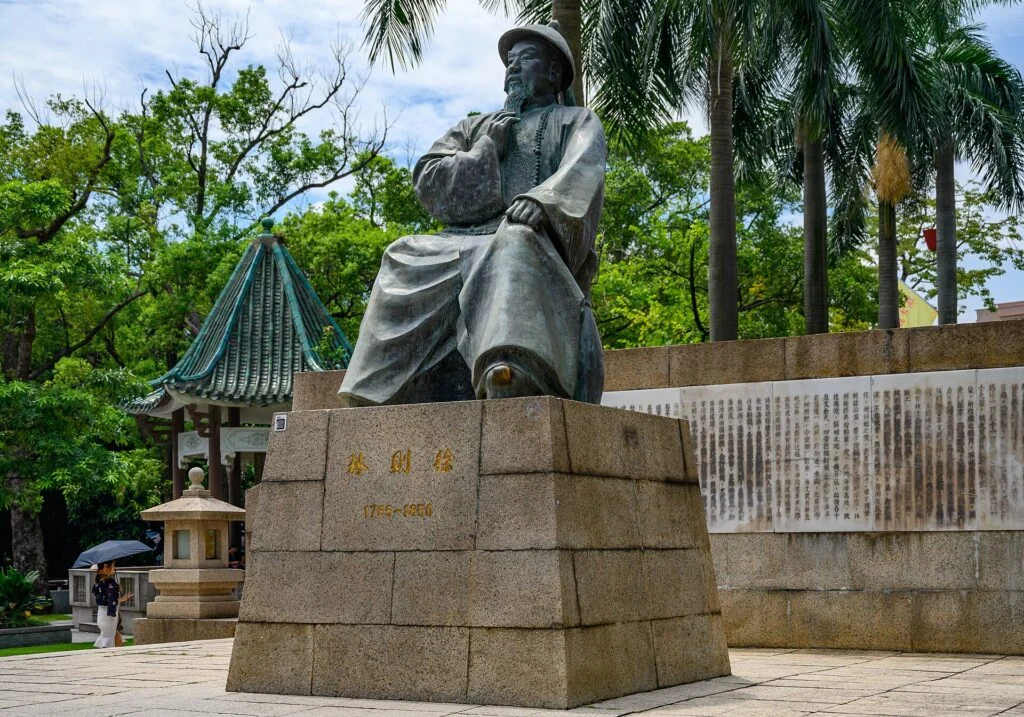
Best forMilitary history, design, remembrance
Setting / nearbyDongguan, China
Overview
The Opium War Museum in Dongguan, China, is a local history museum focused on one of the defining conflicts of the 19th century in Chinese history. It centers on the Opium Wars, a pair of mid-1800s armed conflicts between Qing Dynasty China and Western powers, primarily Britain, over trade relations and the illegal opium trade. While the museum concentrates on events that profoundly affected China’s sovereignty and modern development, its story also illustrates broader themes of imperialism, economic pressure, and cultural exchange.
Dongguan’s museum presents this history through a predominantly Chinese perspective, paying close attention to the domestic impact of the wars on the region and the country at large. It is not an art museum, nor a military exhibition solely about battles and tactics. Instead, it adopts a focused approach that blends historical documents, artifacts, and explanatory displays to shed light on the causes, progression, and consequences of the Opium Wars. For visitors interested in 19th-century Chinese history as it intersects with global trade and colonialism, this museum can serve as a thoughtful resource.
Collection Highlights
Visitors to the Opium War Museum will find a range of objects and documents connected to the period from the 1830s to the early 1860s. While the exact inventory is not exhaustively detailed in public sources, the collections reportedly include weaponry, official edicts, maps outlining trading routes, and personal effects or accounts related to Chinese naval forces and civilian experiences. These elements help illustrate the military, political, and social dimensions of the conflicts.
The museum also displays artifacts linked to the opium trade itself—such as opium paraphernalia and trading goods—to communicate the economic underpinnings of the tensions between China and Western powers. By focusing on tangible objects, the exhibition brings abstract historical forces into clearer view, connecting visitors with the material realities of the time.
Text panels, photographs, and reproductions of historical newspapers or treaties provide a narrative framework that guides visitors through the causes and outcomes of the wars. This includes China's struggle to resist foreign pressures, the internal debates within the Qing government, and the resulting changes imposed by unequal treaties. Importantly, the collection does not limit itself to military history but looks at the cultural and societal fallout, including public health and economic disruption.
Building and Setting
The museum is located in Dongguan, a city in Guangdong Province. This geographical context is significant since Guangdong was a key coastal region involved in early European trade with China, including Canton (Guangzhou) nearby, historically a port central to opium imports and resistance efforts. The museum’s physical setting within this region situates it amid the landscapes where these historical events unfolded.
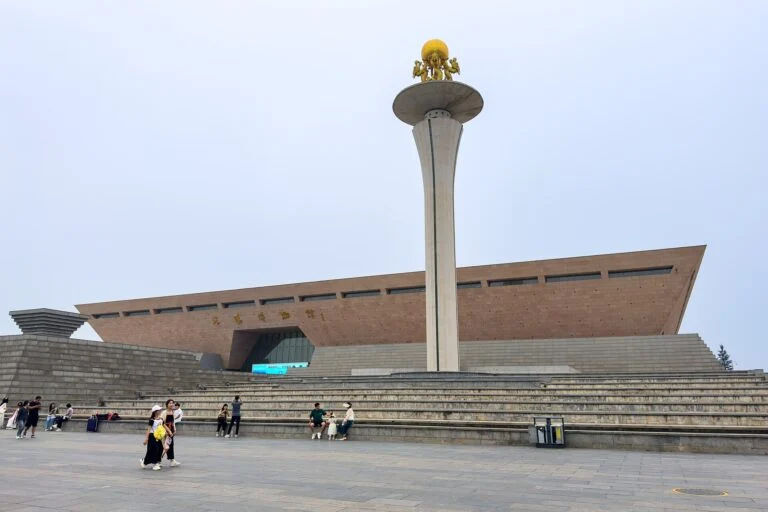
The building housing the museum is reflective of typical public museum architecture in the region, designed to serve educational and commemorative purposes rather than architectural display. The layout organizes exhibits to facilitate a chronological understanding of the Opium Wars, guiding visitors through thematic galleries. The immediate surroundings provide little in the way of historical battlefield sites or preserved period architecture directly related to the wars, so visitors should anticipate a more conventional museum experience focused on indoor exhibitions.
Practical Information
The Opium War Museum is active and open to the public, but potential visitors should consult the museum’s official website or contact local tourist information services before planning a visit. This is advisable to confirm up-to-date information on hours of operation, ticketing policies, accessibility options, and any available tours or educational programs.
Since the museum’s primary audience appears to be regional and national visitors with an interest in Chinese history, English-language materials and interpretative aids might be limited. Visitors without knowledge of Chinese could find some displays more challenging to navigate without assistance. Checking in advance about language support or guided tours can enhance the experience for international guests.
No specific information about onsite amenities such as cafés, shops, or parking is confirmed, so visitors should plan accordingly. The museum’s focus on a particular historical episode means the displays might be dense with text and historical detail, requiring a moderate level of attention and interest in the subject matter to appreciate fully.
Why Visit
The Opium War Museum offers a focused look at a critical juncture in Chinese history. For those interested in the nature of colonial-era conflicts, drug trade history, or the complexities of international diplomacy in the 19th century, the museum provides a perspective that emphasizes China’s experience and response to Western pressures. It contributes to an understanding of how these conflicts shaped modern Chinese political and social landscapes.
Visitors who appreciate history presented through artifacts and documentary materials rather than broad generalizations may find value here. The collection encourages reflection on the human consequences of these wars beyond the simple narrative of military victories or defeats.
However, for visitors seeking a broader global outlook on the Opium Wars, including detailed perspectives from British or other foreign viewpoints, or who expect extensive interactive or multimedia content, this museum might seem somewhat specialized and conventional in its presentation. The museum prioritizes factual and historical clarity over spectacle, so preparing for a measured and informative visit will be beneficial.
In sum, this museum suits those with a purposeful interest in Chinese history or those looking to understand an important chapter in China’s encounters with the West during the Qing era. Its regional perspective complements other larger historical sites related to the Opium Wars elsewhere in China. Visitors should plan to approach the museum with some background knowledge or an openness to historical complexity, as its exhibits deal with challenging and significant historical controversies.
Before visiting, confirming the latest details through official channels will help manage expectations regarding accessibility and available services. The Opium War Museum stands as a distinct resource for exploring how 19th-century imperialism and trade disputes have left lasting marks on Chinese society.