Old Prison Review
The Old Prison in Victoria, Malta, stands as a stark testament to the island's complex historical narrative, reflecting centuries.

The Old Prison in Victoria, Malta, stands as a stark testament to the island's complex historical narrative, reflecting centuries.
Best forTransport history, engineering, families
Review focusHistorical collections, local context, and visitor planning
Historical Context
The Old Prison in Victoria, Malta, stands as a stark testament to the island's complex historical narrative, reflecting centuries of incarceration practices dating back to the 16th century. Constructed initially in 1602 under the auspices of the Knights Hospitaller, the prison was built to detain a wide range of inmates, from common criminals to political prisoners. Its sturdy limestone walls and austere architectural design embody the priorities of control and discipline prevalent during the era. The prison's operational lifespan spanned several centuries, during which it also served as a place of detention under British colonial rule, witnessing evolving penal philosophies. Today, the Old Prison is preserved not merely as an antiquated structure but as a cultural repository shedding light on Maltese social history, judicial evolution, and the harsh realities of past custodial life. This contextual background provides essential insight for visitors seeking to understand the broader implications of incarceration on the island and Mediterranean penal systems in general.
What You See on Arrival
Upon arrival, visitors are greeted by the imposing façade of the Old Prison, characterized by its rugged limestone construction and fortress-like appearance typical of Maltese architecture. The entrance itself is unembellished, emblematic of the building's utilitarian function, which prioritizes security over aesthetics. The exterior walls, high and unyielding, immediately communicate a sense of confinement and solemnity. Adjacent to the main entrance, informational signage provides a brief overview of the site's historical importance and layout, helping to set expectations before entry. The surrounding area of the prison is quiet, maintaining the solemn mood integral to the visitor experience. Internally, the first spaces encountered are narrow corridors and reception areas that function as transition points leading deeper into the original cells and chambers. The juxtaposition of these spaces between public access and private incarceration zones creates a palpable tension reflective of the building’s original purpose.
Highlights and Key Exhibitions
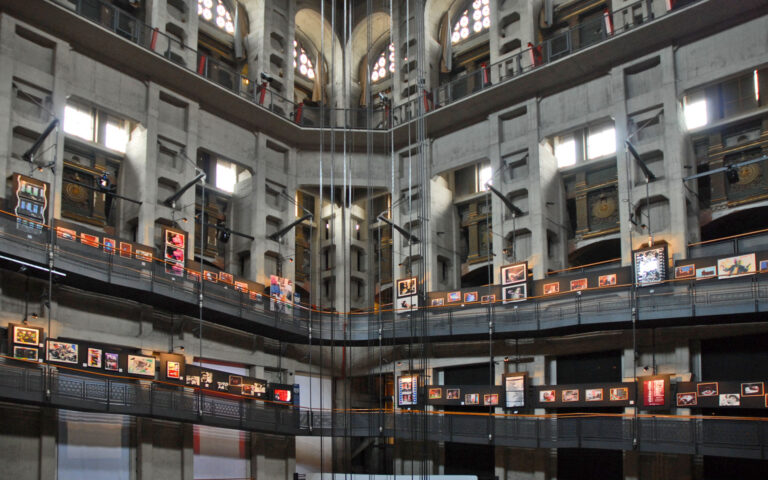
The Old Prison’s collection is both poignant and informative, with the exhibitions offering an unvarnished view of maltreatment, law enforcement, and penal reform. A central highlight is the original jail cells, preserved with their characteristic barred doors, narrow bunks, and minimal furnishings. These cells are arrayed along dimly lit corridors that retain much of their original ambiance, making for an evocative encounter. Visitors can observe a variety of cell types, including solitary confinement cells that underscore the severity of earlier punitive measures. In addition to the physical spaces, the museum displays an array of historical artifacts such as shackles, irons, court documents, and prisoner belongings that deepen the narrative about everyday prison life.
Another compelling aspect is the exhibit that illustrates the prison’s transition from the era of the Knights to British colonial governance, showing how penal philosophies and regulations evolved over centuries. This includes informative panels highlighting notable prisoners and crimes, delivering context that humanizes the stories behind the walls. Although the Old Prison does not typically host temporary exhibitions, the permanent collection itself is rich and varied, offering ample material for reflection on the complex dynamics of law, order, and human rights through Maltese history.
Visitor Experience
The visitor experience at the Old Prison is defined by its immersive qualities and educational depth, but it also demands a degree of physical readiness due to the building’s age and the inherent nature of the site. The prison’s corridors and cells preserve much of their original architecture, which means that some areas are cramped and may be challenging for those sensitive to confined spaces. Lighting is deliberately subdued to maintain historical atmosphere, but this can occasionally affect visibility when viewing detailed exhibits. Interpretive signage throughout the prison is professionally crafted and accessible, providing thorough explanations without overwhelming the visitor.
Guided tours are available and highly recommended for those who want a comprehensive understanding of the history and context, as these tours offer detailed anecdotes and expert insight that enhance the static displays. Alternatively, audio guides or written brochures provide self-guided options suited for those preferring a slower, more contemplative approach. The museum’s atmosphere is generally quiet and respectful, inviting visitors to reflect on the somber realities of imprisonment. While the site may not offer extensive interactive exhibits typical of some contemporary museums, the authenticity of the setting and the poignant stories conveyed create a powerful, memorable experience.
Tickets, Access, and Planning
Planning a visit to the Old Prison requires attention to operating hours and ticketing arrangements, which are modestly priced, reflecting the museum’s status as a heritage site rather than a commercial entity. Entry fees are reasonable, catering to both individual visitors and groups such as school parties, with some concessions available for seniors, students, and local residents. Booking in advance is advisable, especially during peak tourist seasons when interest in Maltese heritage sites increases significantly.
Access within the Old Prison may present limitations for visitors with mobility challenges. Given the historic nature of the building, there are narrow passageways and staircases, and minimal modern adaptations for wheelchair access. Visitors requiring assistance or accommodations are encouraged to check directly with the museum’s official contact points for the most current information. The site is well served by public transportation options within Victoria and can be reached reasonably on foot from other local attractions. Nearby amenities, including cafes and souvenir shops, provide convenient options for post-visit refreshments and memorabilia.
Final Verdict
The Old Prison in Victoria, Malta, is an evocative and thoughtfully preserved heritage site that offers visitors a rare glimpse into the island’s penal history through authentic architectural remains and a carefully curated collection of artifacts. Its strength lies in the ability to vividly convey the lived experience of incarceration over several centuries, inviting reflection on issues of justice, authority, and human dignity. While the museum’s austere presentation and historic limitations—such as restricted accessibility and restrained interpretive technologies—may not cater to all visitor preferences, these characteristics nevertheless contribute significantly to its authenticity and educational value.
For those with an interest in history, architecture, or criminal justice, the Old Prison is a unique and rewarding destination. Its location in Victoria places it within a broader cultural itinerary that includes other historical and cultural landmarks, allowing for a comprehensive exploration of Maltese heritage. Overall, the Old Prison balances its role as both a somber reminder of the past and a museum that continues to engage contemporary audiences in meaningful dialogue about Malta’s social and judicial evolution.