New-York Historical Society Review
History Museums · New York City, United States. The New-York Historical Society stands as a venerable institution dedicated to preserving and interpreting the rich history and culture of New York City, the United States, and the world. Founded in 1804, it holds…
History Museums · New York City, United States. The New-York Historical Society stands as a venerable institution dedicated to preserving and interpreting the rich history and culture of New York City, the United States, and the world. Founded in 1804, it holds…
Best forScience, technology, hands-on learning
Review focusExhibits, interpretation, visitor flow
Historical Context
The New-York Historical Society stands as a venerable institution dedicated to preserving and interpreting the rich history and culture of New York City, the United States, and the world. Founded in 1804, it holds the distinction of being New York’s oldest museum and one of the foremost centers for historical scholarship. Its founding mission was to collect and safeguard materials reflecting the early history of the United States, with a particular emphasis on the dynamic, ever-evolving metropolis of New York. Over two centuries, the institution has grown into a comprehensive repository, housing extensive archives, artworks, manuscripts, and artifacts that trace the city’s—and the nation’s—complex past. The Society’s commitment extends beyond mere preservation; it actively promotes historical education through exhibitions, public programs, and scholarly research. This blend of tradition and innovation allows the New-York Historical Society to offer both specialists and the general public a multifaceted perspective on pivotal moments and figures that shaped not only New York but also American society at large.
What You See on Arrival
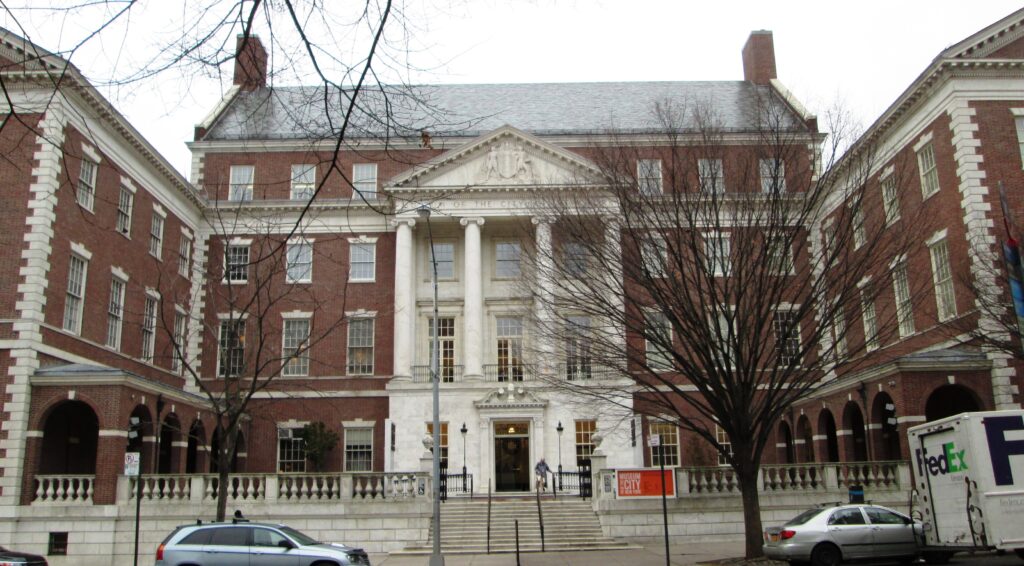
Located on the Upper West Side of Manhattan, the New-York Historical Society is housed in an architecturally significant Beaux-Arts building that immediately signals its cultural importance. The exterior presents a stately façade with grand columns and an imposing stone entrance, evoking a sense of gravitas and timelessness. Visitors arriving at the site are greeted by a spacious courtyard and clearly marked entrances, ensuring ease of access. Upon entering, the interior unfolds into a series of elegantly designed galleries and public spaces. There is an evident balance between the historic character of the structure and modern amenities introduced to enhance the visitor experience. The lobby area is welcoming and well-staffed, with clear signage directing visitors to ticket counters, orientation points, and galleries. Within moments, one can discern the institution’s intent to seamlessly blend historical reverence with contemporary museum practices.
Highlights and Key Exhibitions
The New-York Historical Society’s collection is impressively diverse, encompassing artifacts, documents, paintings, and multimedia installations that together weave a compelling narrative of New York and American history. Among its standout features is an extensive collection of Hudson River School paintings, showcasing 19th-century American landscape artistry and reflecting the region’s natural beauty through the eyes of pioneering artists. The society’s holdings also include rare manuscripts and objects related to key historical figures, such as George Washington and Alexander Hamilton, offering insightful glimpses into the nation’s founding era.
Permanent exhibitions often focus on critical themes such as the city’s role in immigration, its development as a commercial hub, and social movements that have shaped urban life. Visitors can expect to encounter thoughtfully curated displays on events like the American Revolution, the Civil War, and the suffrage movement, often contextualized through personal stories and primary sources that create an immersive historical experience. The museum also excels in presenting the cultural contributions of diverse communities within New York, highlighting immigrant experiences, indigenous histories, and the evolving urban landscape.
In addition to artifacts and traditional exhibits, the museum incorporates multimedia components and interactive displays that engage a variety of audiences, from school groups to historians. There is a noteworthy focus on storytelling, ensuring that historical facts are accessible without sacrificing depth or nuance.
Visitor Experience
The New-York Historical Society adopts a visitor-centered approach, aiming to make history approachable and engaging for all. The museum’s layout is intuitive, allowing for a fluid browsing experience that caters to both casual visitors and those seeking in-depth exploration. Galleries are well-lit and designed to accommodate large numbers without feeling overcrowded, thus preserving a contemplative atmosphere.
Educational programs and guided tours are integral to the museum’s mission, with knowledgeable docents and staff available to provide contextual insights and answer questions. The exhibition texts strike a careful balance between scholarly rigor and readability, appealing to a diverse audience spectrum. Throughout the facility, seating areas and interactive stations invite visitors to pause, reflect, and engage more deeply with the content.
The institution also acknowledges the needs of younger visitors, offering family-friendly activities and resources that simplify complex topics without diminishing their significance. Special events, lectures, and workshops complement the exhibitions, enriching the overall cultural offering.
The museum’s café and gift shop are well-maintained and offer additional amenities to enhance convenience during visits. Visitor services such as coat checks, restrooms, and accessibility accommodations are thoughtfully integrated, contributing to a seamless experience.
Tickets, Access, and Planning
Ticketing information for the New-York Historical Society reflects a range of options designed to cater to different visitor segments. General admission grants access to the permanent exhibitions and selected galleries, with varying rates for adults, seniors, students, and children. The museum often offers membership plans that provide additional benefits, including unlimited admission and discounts on special programs. Advance purchase of tickets online is recommended, particularly during peak tourist seasons, to avoid wait times.
The institution is committed to accessibility and inclusivity. It is wheelchair accessible, with elevators and ramps facilitating access to all public areas. Sign language interpretation and assistive listening devices may be available upon request for certain tours and programs. Clear wayfinding signage and printed materials enhance navigation for visitors with diverse needs.
Geographically, the museum benefits from its proximity to public transport hubs, including subway lines and bus routes, ensuring convenient access for both local and out-of-town visitors. Parking options may be limited, so alternative means of arrival are advisable. Opening hours generally accommodate weekday and weekend visitors, with occasional extended hours for special events.
Visitors should allocate several hours, if not more, to fully absorb the museum’s extensive offerings. Strategically planning the visit around guided tours or thematic galleries can optimize the experience.
Final Verdict
The New-York Historical Society emerges as a premier destination for those interested in delving into the layered histories of New York City and the broader American narrative. Its impressive collection, housed within a building that is itself a historical landmark, provides a comprehensive, nuanced, and visually compelling journey through time. The institution skillfully marries rigorous scholarship with accessible presentation, making it an enriching experience for a wide audience range—from casual enthusiasts and families to historians and scholars.
While the depth and breadth of the exhibits might at times challenge visitors with limited time or less background knowledge, the museum’s thoughtful layout, educational resources, and interactive elements mitigate this potential barrier. It maintains a commendable balance between honoring tradition and embracing contemporary museum practices, ensuring that history remains vibrant and relevant.
In conclusion, the New-York Historical Society is indispensable for anyone seeking to understand the cultural and historical fabric of New York and America. It stands as a beacon of preservation, education, and engagement—a testament to the enduring power of history to inform and inspire.