National Tile Museum Review
Architecture Museums · Lisbon, Portugal. The National Tile Museum in Lisbon serves as a dedicated institution celebrating one of Portugal’s most emblematic art forms: the azulejo. This traditional tin-glazed ceramic tilework has been a significant element of Portuguese culture,…
Architecture Museums · Lisbon, Portugal. The National Tile Museum in Lisbon serves as a dedicated institution celebrating one of Portugal’s most emblematic art forms: the azulejo. This traditional tin-glazed ceramic tilework has been a significant element of Portuguese culture,…
Best forMasterpieces, architecture, cultural history
Review focusCollection highlights, building, visitor flow
Historical Context
The National Tile Museum in Lisbon serves as a dedicated institution celebrating one of Portugal’s most emblematic art forms: the azulejo. This traditional tin-glazed ceramic tilework has been a significant element of Portuguese culture, architecture, and artistic expression for over five centuries. The museum’s collections trace the craft’s evolution from its Moorish origins and influence through the Renaissance to the contemporary era, offering insight into the social, political, and aesthetic shifts that shaped Portugal’s visual identity. The institution is housed in the former Convent of Madre de Deus, a 16th-century structure that adds a rich historical layer, reflecting the period when tile art was at its zenith. The museum’s role extends beyond mere preservation; it acts as a cultural ambassador that educates and cultivates appreciation for an art form that is both decorative and functional, epitomizing the fusion of craftsmanship and heritage that defines much of Portuguese artistry.
What You See on Arrival
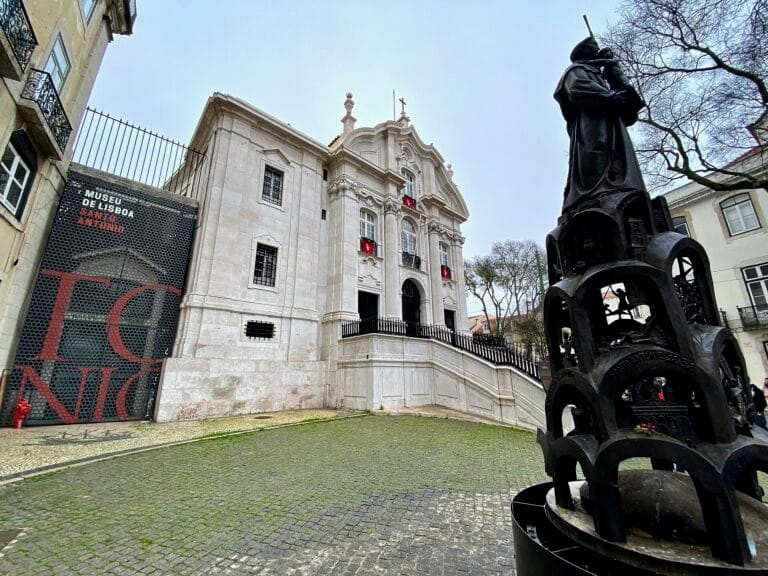
Upon arrival, visitors are greeted by the imposing facade of the Madre de Deus Convent, a structure that immediately communicates historical gravitas with its intricate Manueline architectural details. The building itself, nestled within the Alcântara district, contrasts with the modernity often associated with Lisbon’s urban core, setting a reflective tonal foundation for the experience inside. Surrounding gardens and courtyards provide a serene entry point and hint at the blend of art and nature that is echoed within the museum’s exhibits. The exterior suggests a seamless integration of heritage conservation and public accessibility, where visitors can anticipate a journey through time embodied in tile artistry. Wayfinding signage is clear and unobtrusive, guiding visitors toward the main entrance without disrupting the aesthetic coherence of the convent’s stonework and historic charm.
Highlights and Key Exhibitions
The museum’s permanent collection is its cornerstone, offering a comprehensive narrative of tile production from the late 15th century to modern-day interpretations. One of the most compelling highlights is the array of azulejos that illustrate the technical and stylistic innovations across eras. Early Hispano-Moorish designs showcase geometric precision and vibrant coloration, reflecting the intermingling of Islamic and Iberian cultures. Moving through the galleries, visitors encounter Renaissance and Baroque panels distinguished by elaborate figurative scenes, religious iconography, and mythological motifs that highlight narrative approaches in tile art.
Particularly noteworthy are the large-scale tile panels that were once integral to palatial and ecclesiastical spaces, some of which retain their immersive qualities and monumental scale. These panels reveal not only artistic mastery but also complex storytelling functions, often depicting historical events, landscapes, and allegorical themes with remarkable detail.
The museum also dedicates space to 20th-century and contemporary tiles, illustrating how traditional techniques have been reinterpreted by modern artists. This dialogue between past and present underscores the museum’s mission to reveal the azulejo as a living tradition rather than a static relic. Additionally, thoughtfully curated displays explain production methods, from clay preparation to glazing and firing processes, enriching visitors’ appreciation of the craftsmanship involved.
Visitor Experience
The layout of the National Tile Museum is designed with a clear chronological flow that assists visitors in tracing the thematic and stylistic transitions inherent in tile art. The exhibition spaces are well-lit and spacious, allowing for close inspection of details without feeling cramped. Informational panels are both accessible and detailed, offering scholarly context that complements the visual experience. In some instances, multimedia displays or video presentations provide additional layers of interpretation, though these elements are integrated discreetly so as not to disrupt the contemplative ambiance.
Audio guides and printed materials are available in multiple languages, reflecting the museum’s commitment to inclusivity and global accessibility. Staff members are knowledgeable and approachable, ready to facilitate deeper understanding of the exhibits or provide guidance through the collection.
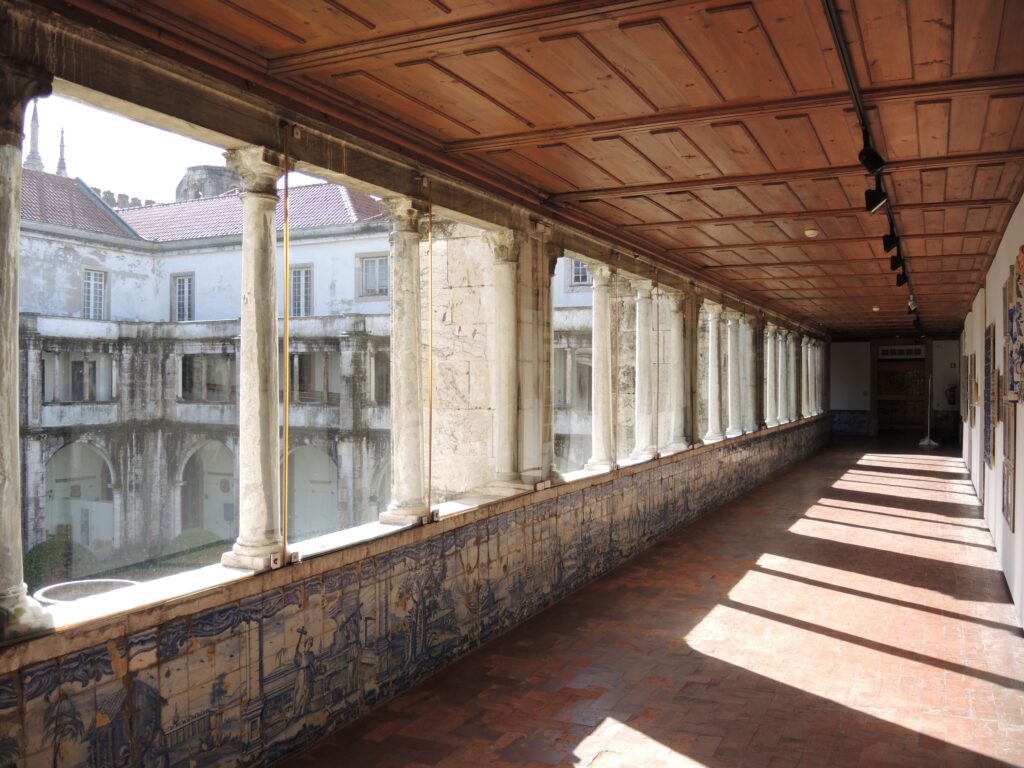
The museum’s setting within the convent adds a unique dimension; vaulted ceilings, stone arches, and cloistered gardens enhance the atmospheric quality of the visit, creating a harmony between the historical architecture and the art inside. For enthusiasts of decorative arts, architecture, and cultural history, the combination of setting and collection provides a resonant, immersive experience.
Tickets, Access, and Planning
Ticketing to the National Tile Museum is straightforward, with pricing structured to accommodate a broad range of visitors including discounted rates for students, seniors, and local residents. There are also family-friendly options and free admission days periodically available to foster community engagement. Tickets may be purchased on-site or online, the latter being advisable during peak tourist seasons to avoid queues.
Accessibility considerations are commendably integrated, with wheelchair ramps, elevators, and adapted restrooms ensuring that the historic building can be navigated comfortably by visitors with mobility challenges. While some architectural features of the convent limit access to upper floors, alternate viewing options and exhibits at ground level mitigate these restrictions effectively.
The museum encourages advance planning to maximize the visit, offering suggested itineraries depending on interest and time constraints. Facilities include a well-stocked bookstore and a café serving light refreshments, which complement the overall experience without detracting from the museum’s scholarly tone.
Final Verdict
The National Tile Museum stands as a compelling institution that elevates the azulejo from its decorative function to an object of profound cultural and historical significance. Its ability to contextualize tile art within broader narratives of Portuguese history and identity enriches the visitor experience, moving beyond aesthetics to engage with themes of heritage and tradition. The museum’s careful curation, combined with its evocative convent setting, enhances understanding and appreciation for this unique art form.
While the historical focus is dominant, the inclusion of contemporary works broadens the museum’s appeal and reinforces the evolving nature of the azulejo craft. The thoughtful visitor amenities and accessibility further underscore its role as a welcoming cultural destination.
For those interested in decorative arts, Portuguese culture, or historical craftsmanship, this museum offers a richly layered exploration that is both educational and visually captivating. Its position within Lisbon’s vibrant museum landscape makes it a must-visit for travelers seeking to delve into a distinctive element of Portugal’s heritage, offering insights that resonate well beyond the visual experience.