Museum of Contemporary Art Taipei Review
Art Museums · Taipei, Taiwan. The Museum of Contemporary Art Taipei, situated in Taiwan’s vibrant capital, represents a pivotal institution in the promotion and exploration of modern and contemporary art within the region. Established in 2001, the museum occupies…
Art Museums · Taipei, Taiwan. The Museum of Contemporary Art Taipei, situated in Taiwan’s vibrant capital, represents a pivotal institution in the promotion and exploration of modern and contemporary art within the region. Established in 2001, the museum occupies…
Best forMasterpieces, architecture, cultural history
Review focusCollection highlights, building, visitor flow
Historical Context
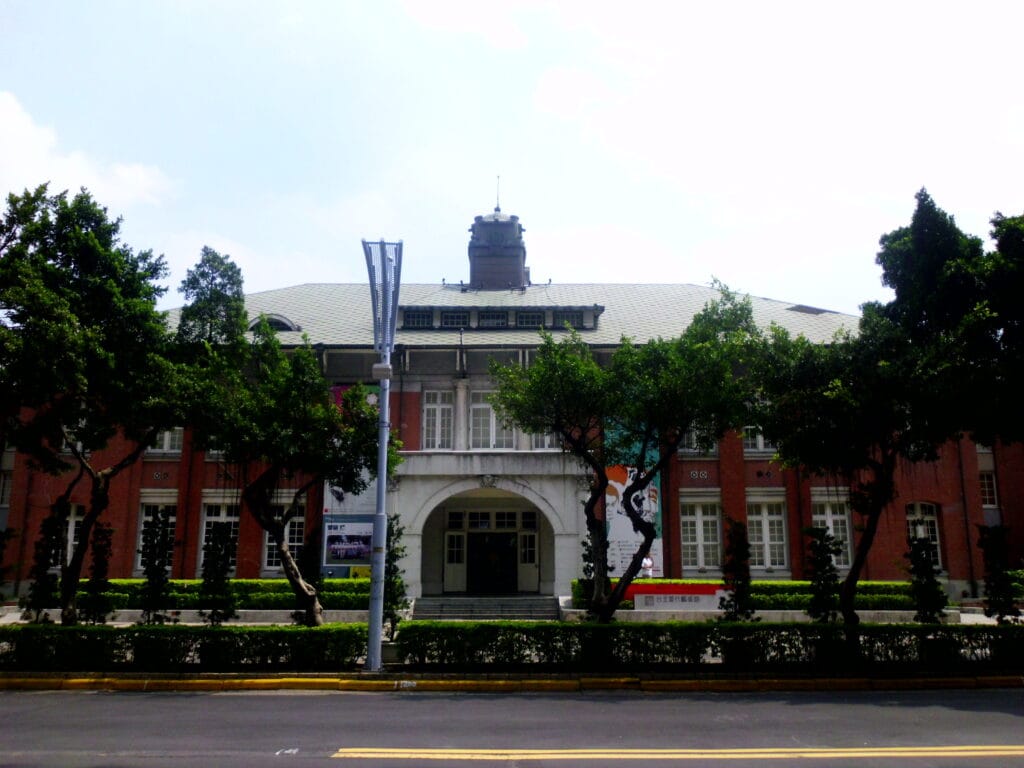
The Museum of Contemporary Art Taipei, situated in Taiwan’s vibrant capital, represents a pivotal institution in the promotion and exploration of modern and contemporary art within the region. Established in 2001, the museum occupies a historically significant early 20th-century building that once served as the Taipei city police office during the Japanese colonial period. Its transformation into an art museum symbolizes a critical cultural shift, linking the city's colonial past with its present-day cosmopolitan identity. The museum’s commitment to showcasing cutting-edge Taiwanese and international contemporary artists has allowed it to emerge as a leading platform for dialogue and exchange across artistic disciplines and cultural boundaries. Over the years, it has contributed significantly to Taiwan’s cultural landscape by encouraging innovation, reflection, and engagement with contemporary societal issues through art, reflecting broader trends in the global contemporary art discourse.
What You See on Arrival
Upon approaching the Museum of Contemporary Art Taipei, visitors are immediately struck by the seamless blend of history and modernity. The building’s exterior retains much of its original colonial architectural features, characterized by clean lines, large arched windows, and an elegant yet restrained facade that stands in contrast to the contemporary art housed within. The museum occupies a prominent location in the Zhongzheng District, lending it visibility and easy access within the urban fabric of Taipei. The entrance area is marked by minimalist design elements, emphasizing clarity and openness. From the arrival point, there is a palpable sense of transition—from the historic to the avant-garde—heralding the innovative work visitors will encounter inside. The museum’s layout and design allow natural light to filter in, creating a welcoming atmosphere that prepares visitors for immersive encounters with contemporary art installations and exhibitions.
Highlights and Key Exhibitions
The Museum of Contemporary Art Taipei is renowned for its dynamic exhibition program that continually challenges traditional notions of art and encourages reflection on present-day issues. Permanent displays and rotating exhibitions showcase both established and emerging artists, with a particular emphasis on Taiwanese creators, contextualizing their work within broader international movements. Highlights frequently include multimedia installations, conceptual art, and experimental new media, underscoring the museum’s dedication to innovation.
The museum is known for presenting thought-provoking thematic exhibitions that address cultural identity, social change, technology, and ecology. These exhibitions often combine visual art with performance, video, and interactive elements, inviting active visitor participation. Visitors can anticipate an array of disciplines represented within the galleries, ranging from painting and sculpture to digital art and sound installations. The curatorial approach tends to be experimental, frequently spotlighting artwork that engages deeply with political and social dialogues relevant both locally and globally.
In addition to exhibitions, the museum houses a collection of notable artworks that provide insights into Taiwan’s contemporary artistic evolution. The works illustrate a diverse spectrum of styles and concerns, reflecting Taiwan’s complex cultural intersections and historical narratives. This institution continually balances the showcasing of innovative international contemporary art alongside local artistic endeavors, making it an essential venue for understanding the confluence of global and Taiwanese contemporary art practices.
Visitor Experience
Visitors to the Museum of Contemporary Art Taipei can expect an experience that is intellectually stimulating and artistically enriching. The museum’s spatial design supports contemplation and interaction, allowing audiences to engage closely with the exhibits. Gallery spaces are spacious and thoughtfully organized, facilitating a smooth flow between exhibitions without feeling overwhelming. Interpretive materials, including bilingual labels in Mandarin and English, enhance comprehension and deepen understanding of the artworks and their contexts.
Educational programs and guided tours are frequently offered, supporting cultural learning and community involvement. The museum also hosts workshops, lectures, and artist talks, providing opportunities for visitors to engage with the creative process directly. The friendly and knowledgeable staff contribute to a welcoming environment where questions and curiosity are encouraged.
Furthermore, the museum’s café and bookstore offer additional ways to extend the experience, featuring publications on contemporary art and Taiwanese culture. The ambiance throughout the museum facilities is calm and reflective, appealing to visitors seeking both inspiration and intellectual engagement.
Tickets, Access, and Planning
Planning a visit to the Museum of Contemporary Art Taipei requires consideration of a few practical details to maximize the experience. Admission fees tend to be modest, with concessions often available for students, seniors, and groups, reflecting the museum’s commitment to accessibility and education. It is advisable to check for any updates on opening hours or temporary closures, especially during national holidays or special events.
The museum’s central location in Taipei offers excellent access through public transportation. Multiple metro lines and bus routes service the area, making it convenient for both residents and tourists. For those arriving by car, parking options in the vicinity may be limited due to the urban setting, so alternative transportation methods are recommended.
Accessibility for visitors with disabilities is thoughtfully addressed, with ramps, elevators, and appropriate facilities available to ensure an inclusive environment. The museum’s website provides detailed information on current exhibitions, educational programs, and visitor services, allowing for thorough advance planning. Visitors are encouraged to explore this resource to tailor their itinerary according to current offerings and personal interests.
Final Verdict
The Museum of Contemporary Art Taipei stands as a vital cultural beacon in the heart of Taiwan, offering a compelling blend of historical resonance and contemporary artistic innovation. It successfully bridges past and present through its evocative architecture and progressive curatorial vision. The museum’s dedication to showcasing a broad spectrum of contemporary art, grounded in Taiwanese cultural narratives while maintaining an international outlook, makes it a must-visit institution for art enthusiasts seeking thoughtful engagement with today’s creative expressions.
While the museum excels in presenting a diverse range of art forms and fostering community involvement, its sometimes experimental exhibitions may challenge traditional expectations, requiring visitors to approach the material with openness and curiosity. The thoughtful organization, accessibility, and enriching educational offerings further enhance the overall experience, positioning the museum as both a cultural landmark and an educational resource.
In sum, the Museum of Contemporary Art Taipei offers a rich and multifaceted exploration of contemporary art, making a meaningful contribution to Taiwan’s cultural landscape and the global contemporary art scene. It is an essential destination for those interested in understanding the intricate dialogues between history, identity, and artistic innovation in the Asia-Pacific region.