National Museum of Ireland – Decorative Arts & History
Art Museums · Dublin, Ireland. The National Museum of Ireland – Decorative Arts & History is located in Dublin and forms one of the key branches of the National Museum of Ireland’s framework. It is a decorative arts and…
Best forArt lovers, visual culture, architecture
Setting / nearbyDublin, Ireland
Overview
The National Museum of Ireland – Decorative Arts & History is located in Dublin and forms one of the key branches of the National Museum of Ireland’s framework. It is a decorative arts and military history museum housed within a historic former military building, providing a focused look at design, craftsmanship, and Ireland's complex martial past. This venue complements other National Museum sites by concentrating on material culture relating to everyday life, social status, and military conflict from the 17th century through to the modern era.
Unlike archaeological or art museums that emphasize classical or fine art objects, this museum is distinctive for holding a broad array of decorative objects and historic military equipment. Its collections illustrate the intersection of personal, social, and political narratives embedded in furniture, silverware, textiles, arms, and armor. For those interested in Irish cultural identity and how it has been shaped by periods of war, empire, and independence, this museum offers tangible evidence and interpretation.
Collection Highlights
The museum features several important collections that document Irish decorative arts and military history. Visitors should expect to encounter an extensive range of silver pieces including Georgian silverware, as well as finely worked objects such as jewelry and metalwork from various periods, representing both functional and ornamental uses. These items reveal not only craftsmanship but also social and economic histories.
Additionally, textile collections include elaborate garments like military uniforms, lace, and embroidered objects that showcase historical fashion trends as well as technical skill in textile production. Hunting trophies and furniture on display provide a sense of domestic and aristocratic environments, reflecting the lifestyles of those who lived through Ireland’s evolving social stages.
The military exhibits encompass a variety of arms and armor, with an emphasis on the 17th to 20th centuries. This includes muskets, swords, and later firearms, together with helmets and body armor. The presence of medals and military insignia also helps contextualize Ireland’s participation in British, European, and world conflicts. Attention to presentation and explanatory labels assist visitors in understanding these items beyond their physical appearance by linking them to historical events and figures.
The museum’s collection is not purely celebratory; it also invites reflection on the complexities of conflict and its consequences for Ireland's people. Some objects relate directly to uprisings, wars of independence, and peacekeeping roles, allowing visitors to gain insight into these difficult topics through material culture.
Building and Setting
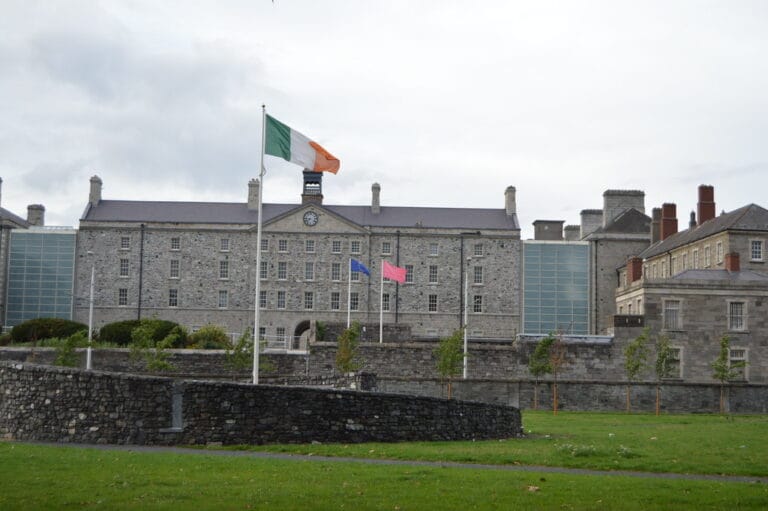
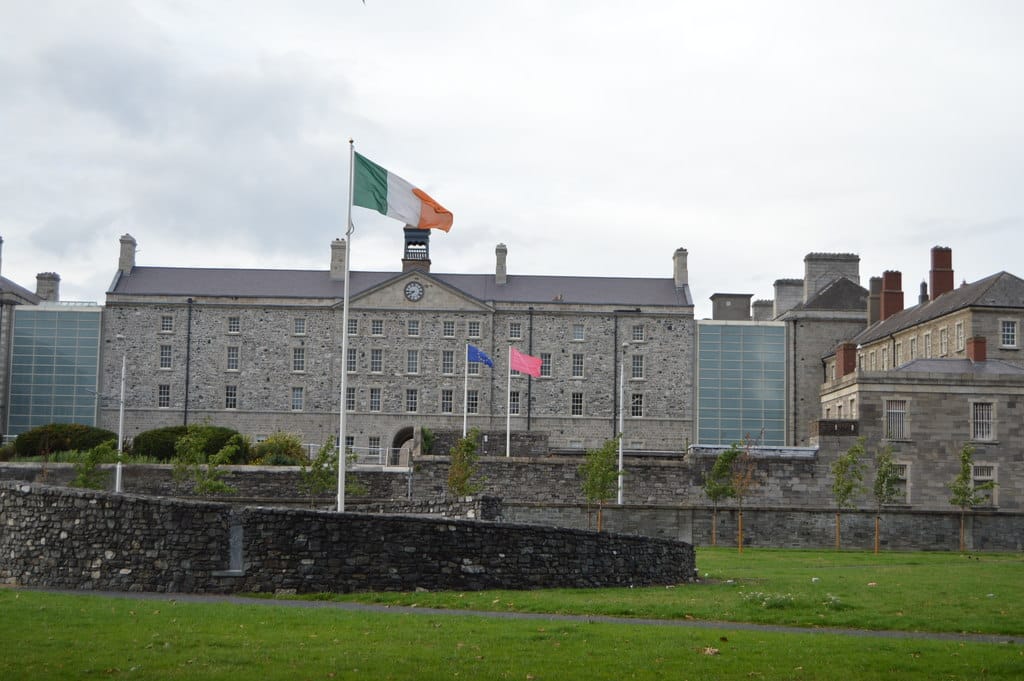
This museum is situated in the Collins Barracks building in Dublin. Originally built as a military barracks dating back to the 18th century, the structure itself holds historical significance. Its architecture and internal layout echo its past military use, offering a distinctive backdrop for the exhibits.
The building has undergone adaptation to suit its current function as a museum, combining its robust historic character with display spaces designed to accommodate varied objects. The contrast between the solidity of the barracks and the delicate items on display adds a certain atmosphere, grounding the collection in its historical context.
Collins Barracks is located near the Phoenix Park area and relatively central within Dublin city, making it accessible for visitors exploring other cultural sites in the city. The immediate setting reflects the museum’s original military connection and offers a sense of place for understanding the artifacts’ provenance.
Practical Information
Specific practical details such as current opening hours, admission fees, guided tours, audio guides, and accessibility options are subject to change. Visitors should consult the museum’s official website ahead of their visit to obtain up-to-date information. This will also clarify any requirements for booking, availability of discounts, or temporary closures.
The layout generally encourages self-guided exploration, but the museum may provide additional resources for those wishing to deepen their understanding. Facilities such as cafés or shops may be available on-site but should be verified in advance.
As with many museums housed in older buildings, those with mobility concerns should inquire about access provisions. The former barracks building may present some challenges despite efforts to improve accessibility.
Why Visit
The National Museum of Ireland – Decorative Arts & History offers a distinctive angle on Ireland’s history through objects that are sometimes overlooked in similar national collections. It is particularly suited to visitors who have an interest in decorative arts paired with military history, providing a rare blend of cultural and martial artifacts.
This museum allows audiences to engage with tangible pieces that reflect the domestic, social, and military lives of the past. Objects like uniforms and silverware are not simply viewed as isolated artifacts but are embedded in stories about identity, conflict, and social change. The combination of decorative arts with arms and armor broadens the narrative, encouraging reflection on how aesthetics and utility intersect in history.
While it may not appeal to visitors seeking classical art or ancient archaeological artefacts exclusively, those with a curiosity about how material culture intersects with Ireland’s turbulent history will find value here. The museum responsibly presents its collections with an underlying awareness of the complexities involved, including Ireland's colonial legacy and military struggles.
The building’s atmosphere and historical location add an additional layer to the experience, making the visit informative and quietly evocative rather than theatrically dramatic. For both Dublin residents and visitors, it provides a thoughtful venue for understanding a specific dimension of Ireland’s past.
Overall, this museum is a notable component of Dublin’s cultural landscape. It invites audiences looking for an in-depth look at decorative arts and military heritage not often seen side by side. It remains a valuable site for the preservation and interpretation of objects that continue to shape Ireland’s historical consciousness.