National Museum of Ghana Review
Intro The National Museum of Ghana in Accra is an important museum not because it overwhelms visitors with scale, but because it provides a broad and.
Intro The National Museum of Ghana in Accra is an important museum not because it overwhelms visitors with scale, but because it provides a broad and.
Best forMasterpieces, architecture, cultural history
Review focusCollection highlights, building, visitor flow
Intro
The National Museum of Ghana in Accra is an important museum not because it overwhelms visitors with scale, but because it provides a broad and accessible framework for understanding Ghana through material culture. In a country whose history is often approached through a limited set of international reference points such as coastal forts, the slave trade, colonial rule, or independence, the museum offers something wider and more grounded. It introduces archaeology, craft traditions, ethnographic material, and national history within a single institution, allowing visitors to see Ghana as a place of long cultural development rather than only as a site of modern historical events.
This breadth is the museum’s greatest strength. It may not present one world-famous masterpiece or rely on monumental architecture, but it does something just as important: it creates a public overview of Ghanaian heritage that is readable, varied, and useful.
How the Site Works
The museum is arranged to introduce visitors to different aspects of Ghanaian history and culture through archaeological, ethnographic, and historical displays. Rather than following a single strict chronology, it moves across themes and object types, which is appropriate for a museum trying to represent diverse communities and long historical change in a manageable public format. The result is an experience that works well as orientation, particularly for visitors who are encountering Ghanaian history in museum form for the first time.
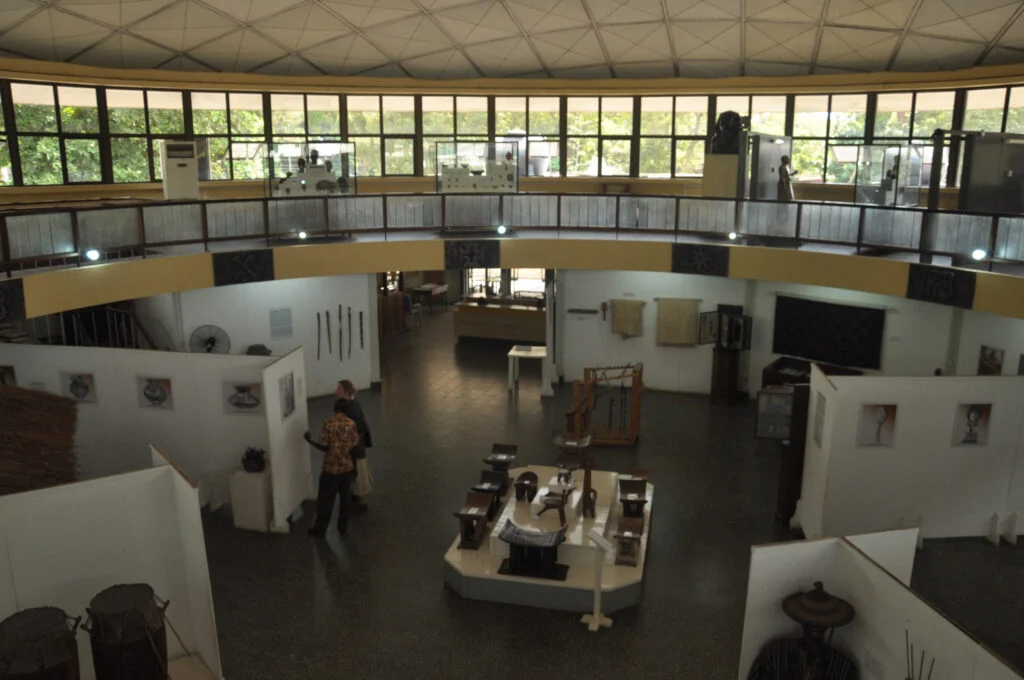
The layout is generally straightforward and depends more on object display and concise interpretation than on immersive effects. This suits the institution’s role as an overview museum, though it also means that visitors benefit from taking time to read and connect the displays rather than moving through quickly for highlights.
Exhibitions and Collection
The collection includes archaeological material, ceremonial objects, textiles, sculpture, musical instruments, and ethnographic displays drawn from different regions and communities of Ghana. This range helps the museum avoid over-identification with a single political or cultural tradition. Instead, it presents Ghana as a diverse historical space in which different forms of authority, craft, performance, and identity developed over time.
The historical displays become particularly useful when they connect these traditions to colonial and postcolonial change. Rather than presenting precolonial culture and modern national history as entirely separate stories, the museum places them within a wider continuum. This gives the institution more coherence and allows visitors to understand state formation and independence against a longer cultural background.
Architecture / Space
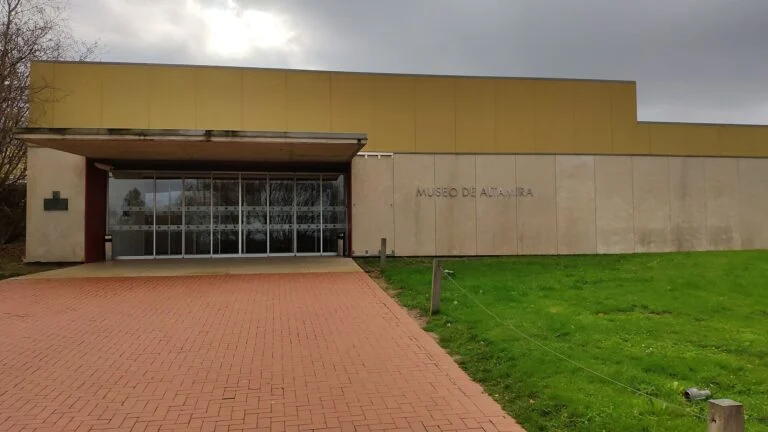
The building is functional rather than monumental, but that does not diminish the museum’s importance. In some ways, the relatively modest architectural setting suits the institution’s role as a civic museum of orientation. The spaces are organized for object-based display, and the museum remains focused on public access and clarity rather than on architectural spectacle.
Its setting in Accra strengthens its value. The museum serves as a practical point of entry into the country’s history, and its capital-city location makes it easy to connect to a wider exploration of Ghanaian public life and historical sites.
Visitor Experience
The visitor experience is educational and approachable. The museum is especially useful for visitors who want a general introduction rather than a specialized deep dive into one area. Because the displays cover multiple cultural and historical fields, the visit remains varied enough to sustain interest. At the same time, the institution requires some patience from those expecting highly dramatized presentation. Its strengths are clarity and range rather than theatrical staging.
For many travelers, that will be exactly what makes the museum worthwhile. It creates orientation through accumulation: many objects, traditions, and historical moments brought together in readable form.
Historical Context
The museum matters historically because it belongs to the broader postcolonial effort to define and preserve national heritage through public institutions. Ghana’s place in West African and global history is often framed through commerce, empire, and independence, but the museum helps widen that picture by showing older and more diverse cultural foundations. It reminds visitors that modern Ghana emerged from long histories of regional identity, artistic production, and social organization.
This broader framing is especially important in Accra, where contemporary national life can otherwise overshadow deeper historical continuities. The museum helps rebalance that perspective.
Practical Information
The museum is located in Accra and is easy to include in a broader city itinerary. Most visitors will want around ninety minutes to two hours, though longer is useful for careful reading of ethnographic and historical sections. Practical details should be checked before arrival. The museum works best early in a visit to Ghana, since it provides a useful framework for understanding the country more widely.
Final Verdict
The National Museum of Ghana is a worthwhile and important museum because it offers a broad introduction to Ghanaian heritage that is difficult to replace elsewhere in Accra. Its strength lies in combining archaeology, ethnography, and modern history in one accessible institution. For visitors interested in West African culture and national history, it remains a valuable museum stop.
Plan your visit
Visit early in your time in Accra if possible, and allow enough time to read the displays rather than only scanning the galleries. The museum works best as a foundation for understanding later visits to historical sites, cultural centers, and other parts of Ghana. Around two hours is a sensible allowance for a first visit.
It is also valuable because it widens the frame through which many international visitors approach Ghana. By placing cultural traditions, archaeology, and national history together, the museum reduces the risk of seeing the country only through a narrow set of external reference points. That alone makes it a useful and necessary institution in Accra.