National Museum of African Art Review
The National Museum of African Art, situated in the heart of Washington, D.C., forms an integral part of the Smithsonian Institution’s.

The National Museum of African Art, situated in the heart of Washington, D.C., forms an integral part of the Smithsonian Institution’s.
Best forMasterpieces, architecture, cultural history
Review focusCollections, curatorial focus, and visitor planning
Historical Context
The National Museum of African Art, situated in the heart of Washington, D.C., forms an integral part of the Smithsonian Institution’s complex on the National Mall. Established in 1964, this museum was among the first major institutions in the United States dedicated solely to the art and cultures of Africa. Its foundation marked a significant moment in recognizing African art not just as ethnographic or anthropological artifacts but as objects worthy of aesthetic appreciation and scholarly study. Over the decades, the museum has evolved to encompass a vast and diverse collection that spans traditional and contemporary African art forms. It serves as a vital cultural bridge, offering insights into the vast history, diversity, and creative expressions of the continent. The museum’s role extends beyond showcasing objects; it emphasizes dialogue and education about Africa’s past and present within the broader narrative of world art and culture.
What You See on Arrival
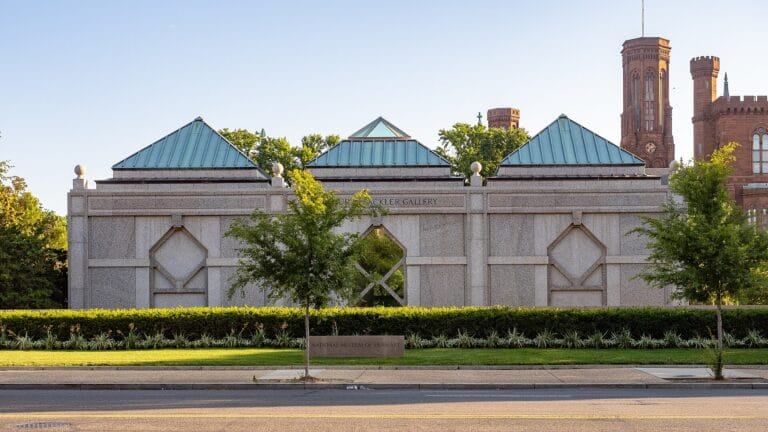
The National Museum of African Art is housed within a modern yet understated building adjacent to the National Museum of Natural History. Upon arrival, visitors encounter a sleek, tranquil architectural presentation that avoids overshadowing the cultural treasures inside. The museum's entrance leads into a bright, open lobby with clear signage directing visitors to galleries, educational spaces, and amenities. Natural light filters through the glass façades, creating a welcoming, airy environment that prepares visitors for a reflective journey through the museum’s collections. The lobby also features an inviting gift shop and a café area, providing spaces for visitors to relax and engage further with African art in various forms. Signage is informative but discreet, allowing the art and cultural artifacts to take center stage from the moment one steps inside.
Highlights and Key Exhibitions
The National Museum of African Art’s permanent collection is distinguished by its breadth and depth, representing over 12,000 objects from across Africa. Its holdings include sculptures, textiles, beadwork, masks, musical instruments, and ceremonial regalia, illustrating the continent’s artistic complexity and diversity. Among the highlights are finely carved wooden masks and figures from West Africa, celebrated for their craftsmanship and symbolic significance within ritualistic contexts. These pieces provide visitors with a profound understanding of the spiritual and social roles of art in African societies.
Another key aspect of the museum’s collection is its vibrant array of textiles, which showcase the varied weaving techniques, dye processes, and symbolic patterns created by different African communities. The contemporary art section complements these traditional works with pieces that address modern African identities, global diasporic experiences, and socio-political themes. This balance between historical and contemporary works allows the museum to present a dynamic panorama of African artistic expression.
Educational programming and interpretive materials deepen engagement, explaining cultural contexts and the historical backgrounds of featured works. Attention to provenance and ethical curation is evident, contributing to critical discussions about art ownership and representation.
Visitor Experience
The museum is designed with the visitor in mind, emphasizing both ease of navigation and educational enrichment. Exhibitions are organized thematically and geographically, permitting visitors to explore art according to interests, whether those lie in regional variations or thematic groupings such as ritual art or contemporary expressions. The gallery labels and interactive displays are clear, concise, and informative, catering well to a range of audiences, including students, scholars, and casual visitors.
Guided tours and audio guides are available, adding depth to the experience without overwhelming the artworks themselves. Special events, lectures, and workshops contribute to a comprehensive cultural engagement. The museum is notably quiet and contemplative, conducive to reflection and appreciation of the materials presented.
Visitor amenities, including seating areas and restrooms, are well-maintained. The gift shop offers a curated selection of books, prints, and artisanal objects inspired by the museum’s collections, enriching the visitor’s connection to African art outside the galleries. The café provides a calm space to unwind with beverages, adding to the overall comfort and enjoyment of the visit.
Tickets, Access, and Planning
Admission to the National Museum of African Art is free, in keeping with the Smithsonian Institution’s policy, allowing broad public access and encouraging frequent visits. The museum is open six days a week, with hours that accommodate both daytime tourists and local patrons. It is advisable to check the official website for updated operating hours and any special notices regarding access or exhibitions.
The museum is located on the National Mall, easily reachable by public transit, including Metro and bus services. Parking options nearby are limited, so public transportation or walking is recommended. The building is fully accessible, with accommodations for visitors with mobility impairments and those requiring assistive listening devices or alternate format materials.
Planning a visit should include consideration of guided tours or participation in scheduled programs available through the museum's education department. Visitors are encouraged to allocate at least 90 minutes to two hours to fully immerse themselves in the collection and take advantage of interpretative aids. Photography policies should be reviewed in advance; casual photography is generally permitted for personal use without flash.
Final Verdict
The National Museum of African Art stands as a cornerstone institution that skillfully elevates the understanding and appreciation of African artistic heritage. By balancing traditional artifacts with contemporary works, the museum offers a nuanced and inclusive perspective that challenges reductive narratives about African cultures. Its setting within the Smithsonian Institution adds to its credibility and accessibility, positioning it as a must-visit destination for anyone interested in global art histories.
The museum succeeds not only in showcasing exceptional objects but also in fostering meaningful dialogue about cultural identity, history, and artistic innovation. Its well-curated exhibitions, attentive visitor services, and commitment to educational programming make it a rich resource for diverse audiences. However, the relatively modest size of the museum compared to some large-scale art institutions means that only a fraction of its collection is on display at any given time, possibly leaving visitors eager to see more. Periodic rotations and well-chosen thematic exhibitions help mitigate this limitation.
Overall, the National Museum of African Art offers a compelling, thoughtfully presented encounter with African art that is both enlightening and enjoyable. It invites visitors to expand their horizons and appreciate the complexity, vitality, and enduring creativity of the African continent and its diasporas. For those visiting Washington, D.C., especially the National Mall’s cluster of museums, it represents an enriching cultural stop with fresh perspectives on the art world’s global narrative.