National Maritime Museum Greenwich Review
Maritime Museums · London, United Kingdom. The National Maritime Museum Greenwich, situated in London, United Kingdom, stands as a beacon of maritime heritage and historical scholarship. Established in 1934, it forms part of the Maritime Greenwich World Heritage Site, sharing…
Maritime Museums · London, United Kingdom. The National Maritime Museum Greenwich, situated in London, United Kingdom, stands as a beacon of maritime heritage and historical scholarship. Established in 1934, it forms part of the Maritime Greenwich World Heritage Site, sharing…
Best forMasterpieces, architecture, cultural history
Review focusCollection highlights, building, visitor flow
Historical Context
The National Maritime Museum Greenwich, situated in London, United Kingdom, stands as a beacon of maritime heritage and historical scholarship. Established in 1934, it forms part of the Maritime Greenwich World Heritage Site, sharing this historic area with the Royal Observatory and the Queen’s House. The museum’s creation was driven by a desire to preserve and narrate Britain’s extensive naval history and its profound relationship with the sea. Its collections span centuries, reflecting both the imperial dominance once exercised by the Royal Navy and the broader human experience of maritime exploration, trade, and conflict. The museum’s location in Greenwich resonates deeply with maritime history, as this site was once home to the Royal Naval College, underlining the UK’s naval tradition. It offers visitors a comprehensive understanding of naval architecture, exploration, and the social and economic impact of marine enterprises, situating Britain’s maritime legacy within global contexts.
What You See on Arrival
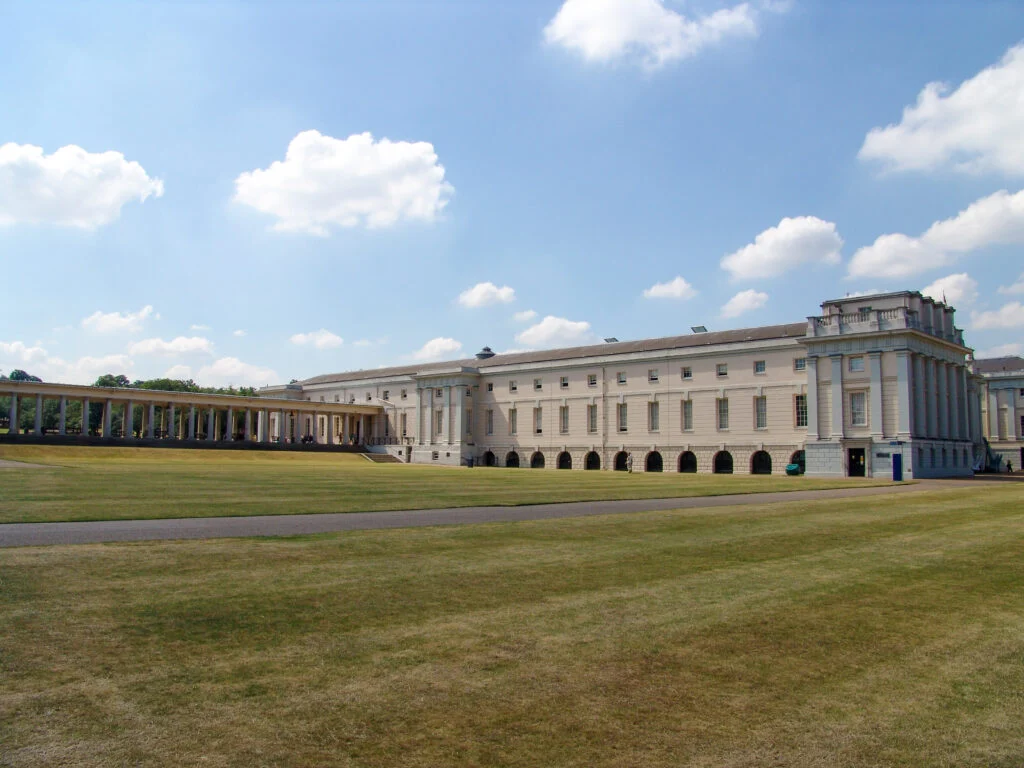
Approaching the National Maritime Museum Greenwich, visitors are greeted by the grand façade of the building itself, which reflects classical architectural elements befitting its prestigious collection. The museum occupies a prominent position overlooking Greenwich Park, offering expansive views that subtly connect to the waterways central to maritime history. On arrival, the open courtyard and surrounding gardens create a welcoming environment that balances outdoor space with the anticipation of the museum’s indoor settings. The entrance is well marked, with clear signage guiding visitors inside. Upon entering, the airy and spacious lobby is designed to accommodate large visitor flows while maintaining a sense of openness and light. The orientation spaces provide helpful information for first-time visitors and seasoned enthusiasts alike, with staff readily available to assist. The overall physical environment signals a well-maintained cultural hub that seamlessly integrates historical ambience with modern visitor comforts.
Highlights and Key Exhibitions
The National Maritime Museum Greenwich boasts a rich assortment of exhibits that cover a broad spectrum of maritime history and cultural narratives. One of the most significant aspects of the museum’s collection is its extensive array of ship models, charts, and navigational instruments, which illuminate the technological advances that shaped sea exploration. These displays not only showcase the craftsmanship involved but also contextualize the evolving understanding of the world during the age of discovery. The museum’s art collection, featuring notable maritime paintings and portraits, enriches the historical narrative by presenting visual interpretations of naval battles, seafarers’ lives, and maritime landscapes.
Among its permanent galleries, the Royal Navy Gallery offers detailed insights into the naval forces' role in shaping British history, from political power to social change. Furthermore, the stories of individual sailors, captains, and explorers add a human dimension, highlighting personal tales of adventure and adversity on the seas. With dedicated sections addressing maritime trade and empire, visitors gain perspective on how shipping routes facilitated global exchanges and influenced economic development. While the museum avoids temporary exhibitions that may cause fluctuations in permanent displays, the constant accessibility of its core collections ensures a stable and comprehensive visitor experience.
Visitor Experience
The National Maritime Museum Greenwich provides an educational and engaging environment appealing to varied audiences, including history enthusiasts, families, and scholars. The displays are thoughtfully curated, employing text panels, multimedia components, and interactive elements to cater to diverse learning styles. This thoughtful integration enhances comprehension, particularly of complex topics such as navigation techniques and naval warfare strategies. Audio guides and docent-led tours are frequently available, adding depth to the narratives and reinforcing the museum’s commitment to accessibility and inclusivity.
Despite the museum’s size and richness, the layout is generally intuitive, allowing visitors to explore at their own pace without feeling overwhelmed. Facilities such as cafes and seating areas are well appointed, affording moments of rest amid the immersive experience. The shop offers a range of maritime-related literature, replicas, and souvenirs, extending the engagement beyond the exhibitions themselves. Family-friendly programming and educational workshops are noticeable features, though visitors should check the museum’s calendar for scheduled events. Overall, the visitor experience is marked by a balance of scholarly rigor and public appeal, making maritime history approachable without sacrificing depth.
Tickets, Access, and Planning
Admission to the National Maritime Museum Greenwich is free, aligning with many UK national museums’ policies to encourage broad public access to cultural institutions. However, donations are welcomed to support the upkeep and development of the museum’s collections and facilities. Special events or temporary exhibitions, when present, may require a ticket purchase or advance booking. It is advisable to consult the official website before visiting to confirm opening hours and any scheduled changes, especially during public holidays or seasonal adjustments.
The museum is easily accessible via public transportation, with nearby rail and bus links connecting it to central London and other attractions. Additionally, there is provision for visitors arriving by riverboats, which reinforces the maritime theme by enabling arrival directly through the Thames. Facilities for visitors with disabilities are robust, including ramps, lifts, and adapted restrooms, ensuring that the museum meets contemporary standards of accessibility. While there is a car park in the vicinity, parking availability can be limited, and it is generally recommended to use public transport. Planning a visit can include exploring adjacent sites within the Maritime Greenwich area, offering a full day of historical immersion.
Final Verdict
The National Maritime Museum Greenwich is a standout institution within London’s cultural landscape, offering a thorough and multifaceted exploration of maritime history that is both intellectually enriching and publicly accessible. Its collections and exhibitions provide a nuanced portrayal of Britain’s relationship with the sea—one that acknowledges technological innovation, imperial aspirations, and human stories alike. The museum exemplifies how a national institution can balance scholarly authority with engaging presentation, making complex historical and scientific material accessible to a broad audience.
Although it may lack the shifting draw of ever-changing temporary exhibitions, this stability also means visitors can return with the confidence of experiencing a comprehensive and consistent educational experience. The museum’s integration within the Maritime Greenwich World Heritage Site and its proximity to related historical landmarks further elevate the visit. For those intrigued by naval heritage, exploration, and the global impacts of maritime activity, the National Maritime Museum Greenwich presents an invaluable resource. Its strengths lie not only in the breadth and quality of its collections but in its ability to connect past worlds with contemporary audiences in an engaging, well-supported setting.