National Art Museum of Catalonia Review
Art Museums · Barcelona, Spain. The National Art Museum of Catalonia, or Museu Nacional d’Art de Catalunya (MNAC), stands as a cultural beacon in Barcelona, Spain, and offers a panoramic view of Catalonian art history. Established in 1934, the…
Art Museums · Barcelona, Spain. The National Art Museum of Catalonia, or Museu Nacional d’Art de Catalunya (MNAC), stands as a cultural beacon in Barcelona, Spain, and offers a panoramic view of Catalonian art history. Established in 1934, the…
Best forMasterpieces, architecture, cultural history
Review focusCollection highlights, building, visitor flow
Historical Context
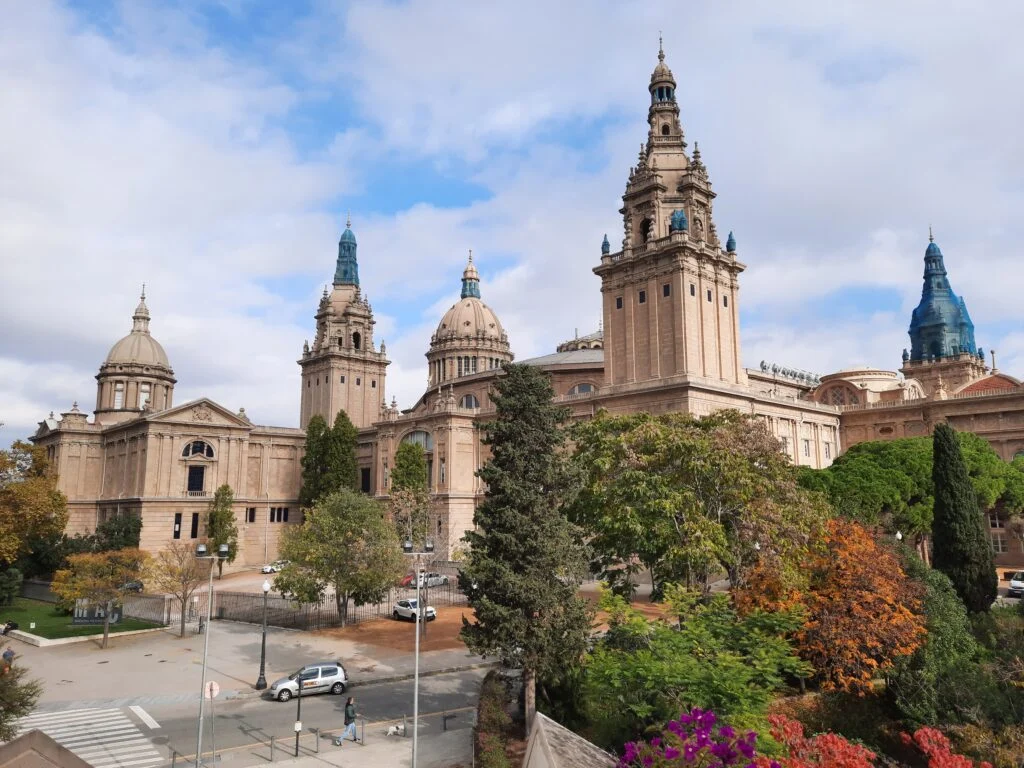
The National Art Museum of Catalonia, or Museu Nacional d’Art de Catalunya (MNAC), stands as a cultural beacon in Barcelona, Spain, and offers a panoramic view of Catalonian art history. Established in 1934, the museum occupies the Palau Nacional, an imposing building constructed for the 1929 International Exposition. This setting reflects both the grandeur of early 20th-century architecture and the ambition to consolidate and celebrate Catalonia’s rich artistic traditions. The MNAC's collections span from the Romanesque period through to mid-20th-century modern art, providing visitors with a comprehensive narrative of the regional art evolution. The emphasis on Romanesque art is especially notable, positioning the museum as one of the world's premier institutions for this genre. Over the decades, the museum has evolved to include diverse collections such as Gothic, Renaissance, Baroque, and Modernisme, reflecting Barcelona’s multifaceted cultural heritage. The MNAC plays a vital role in preserving Catalonia's artistic identity and in educating audiences on the historical and cultural contexts that shaped this Mediterranean region.
What You See on Arrival
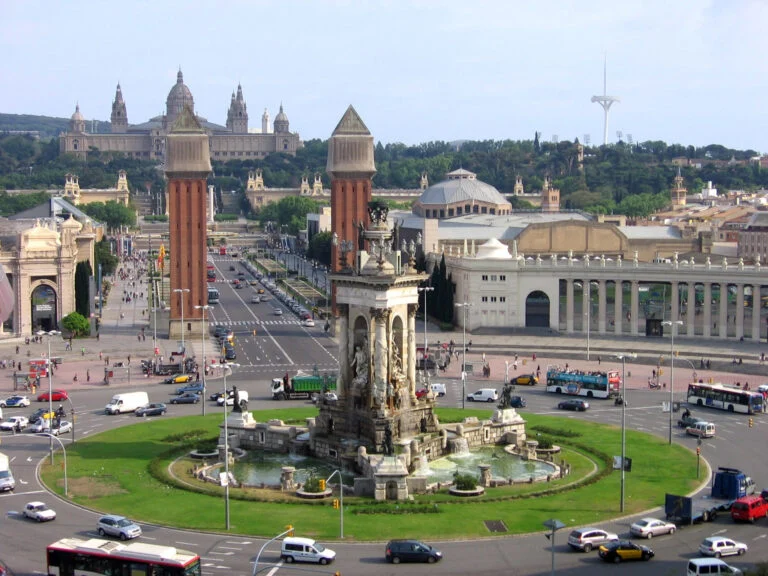
Approaching the National Art Museum of Catalonia, visitors are immediately struck by the grandeur of the Palau Nacional, perched atop Montjuïc hill. The museum’s commanding presence overlooks the city and the Magic Fountain, creating a striking visual that ties the museum to its urban landscape. The broad, cascading steps and expansive plaza leading to the entrance reinforce the museum’s monumental character. Upon entering, the layout is arranged to guide visitors through its vast collections in a logical and chronological progression. The building’s architecture—characterized by its massive dome, elegant facade, and richly decorated interiors—sets the tone for the opulent art contained within. The sweeping foyer features intricate mosaics and neoclassical elements, providing a grand introduction and an immediate sense of the museum’s dedication to heritage and cultural preservation.
Highlights and Key Exhibitions
The core strength of the National Art Museum of Catalonia lies in its exceptional Romanesque art collection, widely regarded as one of the most comprehensive in the world. The highlight here is undoubtedly the Romanesque mural paintings, many of which were meticulously rescued from rural Catalonian churches and reconstructed within the museum’s galleries. These frescoes provide a rare glimpse into medieval religious art and iconography, showcasing vivid colors and narrative religious scenes that have survived centuries. Moving forward in time, the Gothic art section includes impressive altar pieces, sculptures, and panel paintings that emphasize the religious devotion and craftsmanship of the late Middle Ages.
The Renaissance and Baroque galleries display works that explore the evolving artistic styles of Europe while maintaining a distinct Catalonian flair. Portraiture and devotional works in this area reflect the region's artistic dialogue with broader European movements. The Modern Art collection emphasizes Catalonia's vibrant contemporary culture, featuring Modernisme—a Catalan take on Art Nouveau—with works by luminaries such as Ramon Casas and Santiago Rusiñol. In addition, the museum includes pieces from the Noucentisme movement and early 20th-century avant-garde, giving an insight into the region’s artistic renewal before and after the Spanish Civil War. The permanent exhibitions are thoughtfully curated, offering a cohesive and well-contextualized presentation of Catalan art across centuries.
Visitor Experience
The visitor experience at the National Art Museum of Catalonia is designed to be both educational and accessible. Informative panels and multimedia guides offer rich context for the collections, illuminating historical backgrounds, artistic techniques, and cultural significance. The museum’s layout supports a natural flow from one art period to another, which aids visitors in understanding artistic progression without confusion. For those interested in Romanesque art particularly, the galleries are configured to highlight the monumental frescoes, creating an immersive experience.
Amenities such as a well-stocked museum shop and a café provide convenient resting points during a comprehensive visit. Signage throughout the museum is clear, and staff are generally reported to be knowledgeable and helpful. While the museum can attract an international crowd, there is significant information available in multiple languages, ensuring inclusivity. Some critics might note that the sheer scale of the collection can feel overwhelming, making it advisable to plan visits in segments to avoid fatigue. Nevertheless, the museum encourages cultural engagement through educational programs, workshops, and guided tours that cater to diverse audiences.
Tickets, Access, and Planning
Ticketing for the National Art Museum of Catalonia is reasonably priced and offers several options, including combined passes with other Montjuïc-area attractions. Entry fees are structured to accommodate different types of visitors, such as students, seniors, and groups, with discounts widely available. The museum occasionally offers free admission days, which can be an appealing opportunity, albeit with the potential drawback of increased crowd density.
Access to the museum is facilitated by efficient public transportation connections. Several bus lines and the Montjuïc funicular provide straightforward routes from the city center. The location atop Montjuïc hill means there is some uphill walking, but the museum has made accommodations for visitors with reduced mobility, including ramps, elevators, and wheelchair accessibility. The official website serves as a reliable resource for checking opening hours, booking tickets in advance, and learning about special events or temporary closures. It is advisable to plan ahead, especially during peak tourist seasons, to ensure the best experience and avoid long lines.
Final Verdict
The National Art Museum of Catalonia stands as an essential cultural institution for both locals and visitors interested in the rich artistic heritage of Barcelona and the wider Catalonia region. Its extensive and thoughtfully presented collections provide a chronological journey through centuries of artistic achievement, with particular distinction in Romanesque and Modern Catalan art. The museum’s location and architectural grandeur further enhance its appeal, creating a memorable visual and intellectual experience.
While the scale of the collection could be daunting for some, the comprehensive educational resources and well-crafted exhibitions mitigate this challenge and invite repeated visits. Accessibility considerations are well managed, and the various ticketing options make it an attainable destination. For those with a profound interest in medieval art or Catalonian cultural identity, the MNAC is unparalleled. Even visitors with a general curiosity about art history will find the museum rewarding for its diversity and depth. The National Art Museum of Catalonia not only preserves important works but also actively fosters an appreciation for the region’s unique contributions to European art history, making it a must-visit institution in Barcelona.