National Art Center Tokyo Review
Art Museums · Tokyo, Japan. The National Art Center Tokyo stands as a distinctive cultural institution within Japan’s vibrant capital, Tokyo. Established in 2007, it was conceived not as a conventional art museum with a permanent collection, but rather…

Art Museums · Tokyo, Japan. The National Art Center Tokyo stands as a distinctive cultural institution within Japan’s vibrant capital, Tokyo. Established in 2007, it was conceived not as a conventional art museum with a permanent collection, but rather…
Best forMasterpieces, architecture, cultural history
Review focusCollection highlights, building, visitor flow
Historical Context
The National Art Center Tokyo stands as a distinctive cultural institution within Japan’s vibrant capital, Tokyo. Established in 2007, it was conceived not as a conventional art museum with a permanent collection, but rather as a unique art venue dedicated to hosting rotating exhibitions. This model sets it apart from many global art centers and museums which typically maintain their own collections on-site. The center’s foundation marked a significant effort to foster contemporary art appreciation and cultivate cultural exchange on both national and international levels. Situated in the upscale Roppongi district, the National Art Center Tokyo contributes to the area’s identity as a cultural hub, complementing other nearby institutions. The building itself, designed by the acclaimed architect Kisho Kurokawa, is a landmark of modern architectural innovation, symbolizing the connection between art and society. Its creation reflects Japan’s commitment to supporting diverse artistic initiatives and providing a dynamic platform for artists and curators from Japan and abroad.
What You See on Arrival
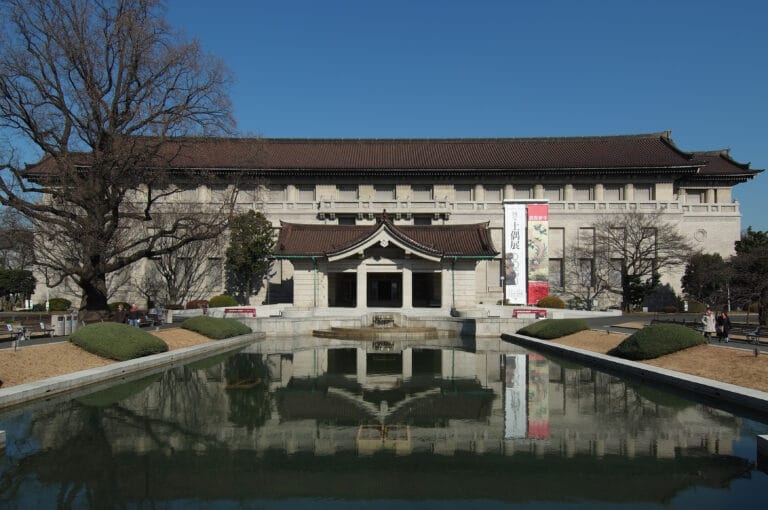
Approaching the National Art Center Tokyo is an experience in itself. The structure’s striking façade immediately captures attention with its sweeping, organic forms and extensive use of glass and steel, creating an inviting and transparent atmosphere. The large, curved glass walls offer glimpses of the interior gallery spaces and the interplay of light within. At street level, the entrance welcomes visitors with a spacious, column-free lobby that showcases the building’s architectural grandeur. The grand staircase, a visual anchor within the space, ascends toward the higher galleries, creating a sense of anticipation. The building’s overall design emphasizes openness and flow, with natural light filtering through thoughtfully designed skylights. Outside, the landscaping and proximate urban elements blend harmoniously, giving the center a sense of seamless integration into Tokyo’s bustling cityscape. This intersection of architecture and environment sets an expectant tone even before stepping into the exhibitions, promising a thoughtful dialogue between space and artwork.
Highlights and Key Exhibitions
Without a permanent collection, the National Art Center Tokyo’s appeal lies in its ever-changing array of exhibitions, covering a wide spectrum of contemporary and modern art, design, and culture. This approach allows the institution to showcase a broad diversity of artistic expressions and mediums, often emphasizing innovation and cross-cultural exchanges. Past exhibitions have featured prominent Japanese artists alongside international figures, offering visitors the chance to engage with significant current trends in the art world. The exhibition spaces themselves are expansive and flexible, accommodating large-scale installations, multimedia works, and experimental forms. The center often collaborates with major museums, galleries, and cultural organizations worldwide, creating unique thematic exhibitions that bring fresh narratives and perspectives to Tokyo. Its multiple gallery rooms vary in scale, allowing for both intimate displays and grand presentations. This temporary exhibition model ensures that there is often something new to experience, although it can require interested visitors to check the schedule in advance to find exhibitions that align with their tastes.
Visitor Experience
Visitors to the National Art Center Tokyo can generally expect a contemporary and sophisticated museum experience that emphasizes accessibility and interaction with art. The interior environment is designed to be welcoming, with clear signage and a logical flow between galleries that encourages exploration. The vast, open spaces and high ceilings create a sense of freedom and allow artworks to be viewed in conditions that highlight their details and scale. Staff members are typically well-informed and accommodating, ready to provide assistance or context when required. The center’s focus on contemporary art often means that some exhibitions contain thought-provoking or challenging works, which may require visitors to engage intellectually and emotionally. However, the museum also offers spaces for relaxation and reflection, including a cafe and bookstore, which enhance the overall visit. Educational programs, lectures, and workshops are regularly held, adding to the depth of engagement for those who seek it. Photography is generally permitted in many areas, encouraging visitors to document and share their experience, though some exhibitions might have restrictions depending on the lenders and artists.
Tickets, Access, and Planning
Planning a visit to the National Art Center Tokyo requires a bit of foresight, primarily because the institution does not have a permanent collection and depends on rotating exhibitions, which dictate the relevance of each visit. Ticket prices vary depending on the current exhibition(s), and discounts are often available for students, seniors, and groups. It is advisable to check the official website ahead of time for current programs, prices, and opening hours. The center’s location in Roppongi is well-served by public transportation, with easy access via Tokyo’s extensive subway system, including the Tokyo Metro and Toei Oedo Line. For those traveling by car, parking is available but can be limited during peak events or exhibitions. Accessibility for visitors with mobility challenges is well-considered, with elevators, ramps, and barrier-free restrooms integrated throughout the facility. The museum operates on a schedule that typically excludes Mondays, and it is prudent to confirm public holiday closures as these can affect opening times. Additionally, the website provides detailed visitor information and multilingual support, reflecting its international appeal.
Final Verdict
The National Art Center Tokyo offers a compelling and dynamic alternative to traditional art museums through its commitment to temporary exhibitions and contemporary art. Its architectural presence quickly establishes the institution as a monumental space dedicated to artistic exploration and cultural dialogue. For those interested in seeing cutting-edge, thought-provoking art within a modern and spacious environment, this center presents an unmatched opportunity in Tokyo. While the absence of a permanent collection means that the experience can vary widely depending on the timing of the visit, it is also this flexibility that allows for continual freshness in programming. Visitors should approach the center with an open mind and a willingness to engage with diverse forms of contemporary expression. Practical considerations such as ticketing and transport are straightforward but should be planned ahead due to the variable exhibition offerings. Ultimately, the National Art Center Tokyo is an essential cultural destination for both art aficionados and casual visitors, contributing significantly to Tokyo’s rich artistic landscape and offering a unique window into Japan’s dialogue with global contemporary art trends.