Nairobi National Museum Review
Intro Nairobi National Museum is one of the most useful museums in East Africa because it gives visitors a way to understand Kenya through several.
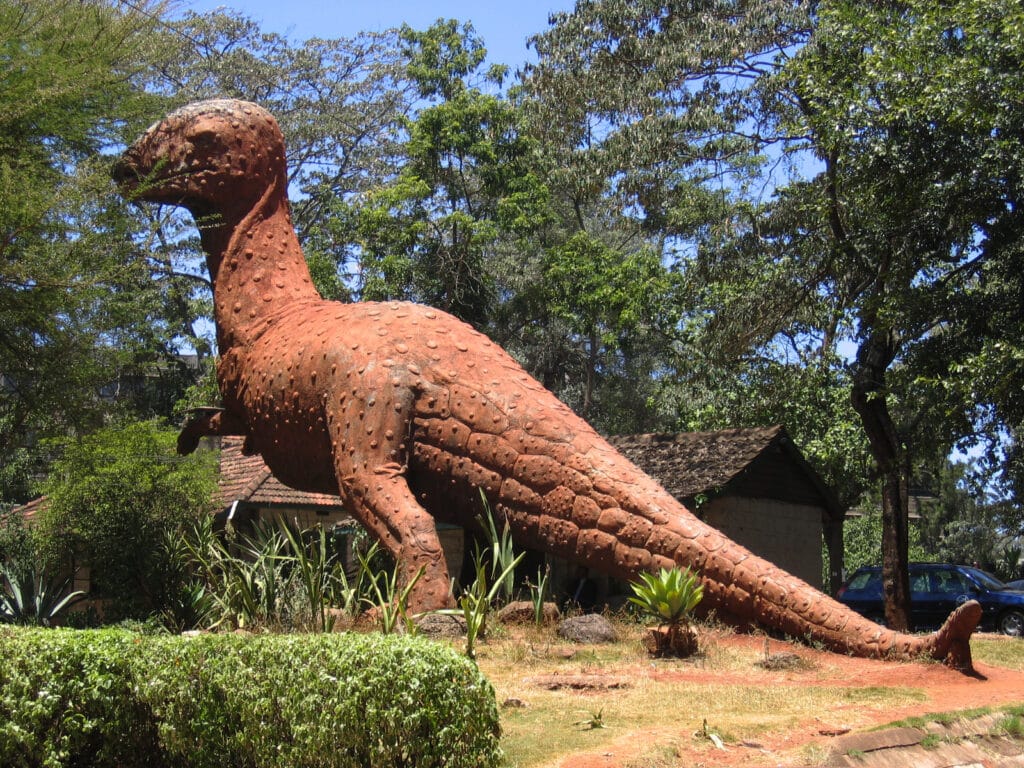
Intro Nairobi National Museum is one of the most useful museums in East Africa because it gives visitors a way to understand Kenya through several.
Best forMasterpieces, architecture, cultural history
Review focusCollection highlights, building, visitor flow
Intro
Nairobi National Museum is one of the most useful museums in East Africa because it gives visitors a way to understand Kenya through several intersecting histories rather than through one simplified identity. Too often, Kenya is presented from outside through only a few frames: wildlife, safari tourism, colonial history, or urban modernity. The museum widens that picture by bringing together archaeology, human origins research, cultural collections, biodiversity, and artistic interpretation. That breadth makes it far more than a standard national museum. It is a place where Kenya becomes legible as environmental, archaeological, and cultural history all at once.
This is the institution’s key strength. It does not force visitors to choose between deep prehistory and modern national identity, between natural history and human culture, or between research and public education. Instead, it treats those subjects as connected. In a country whose global image is often too narrow, that is a significant achievement.
How the Site Works
The museum is organized through a series of galleries that allow visitors to move among archaeology, natural history, cultural displays, and related interpretive sections. The structure is broad but understandable, and the museum benefits from the fact that its different departments reinforce rather than contradict one another. Human origins displays deepen the historical frame, natural history sections provide ecological context, and ethnographic material helps explain the diversity of social life in Kenya.
This arrangement is one of the museum’s greatest practical strengths. A visitor can pursue particular interests without losing the wider story. The institution therefore works for both general visitors and more focused ones, which is not always the case in multi-disciplinary museums.
Exhibitions and Collection
The collection is especially strong where archaeology and palaeontology give the museum a deep chronological foundation. East Africa’s importance in the study of human origins gives Nairobi National Museum an international relevance that many national museums do not possess. Yet the museum does not stop at that scientific distinction. It also offers cultural displays, environmental interpretation, and artistic material that give Kenya a fuller historical and social presence.
This breadth is important because it prevents the museum from becoming a single-issue institution. Visitors do not leave with only a sense of ancient bones or only a set of ethnographic images. Instead, they encounter a more layered country, shaped by long prehistory, ecological complexity, and diverse cultural traditions. That layered picture is what makes the museum particularly valuable.
Architecture / Space
The museum building and wider site are practical and spacious enough to support several kinds of collection without forcing them into the same visual format. This helps the visit feel varied rather than repetitive. The institution has the air of a longstanding public museum that has modernized over time, which in this case is a strength. It feels established without becoming stagnant.
The wider grounds and associated spaces also make the museum experience more open than that of a tightly enclosed urban institution. That matters because the museum’s subject includes environment as well as history, and the site supports that broader tone.
Visitor Experience
The visitor experience is generally strong because the museum offers enough variety to maintain attention without becoming chaotic. Visitors interested in archaeology and human origins will find the institution especially rewarding, but the natural history and cultural displays broaden the appeal considerably. The museum works well for travelers early in a Kenya trip because it provides context that can deepen later visits to landscapes, wildlife areas, and regional cultural sites.
The pace of the visit is also manageable. The museum is substantial without being exhausting, and this balance makes it one of the more successful general museums in the region.
Historical Context
The museum matters in part because it expands the public understanding of Kenya beyond narrow international images. By presenting the country through archaeology, environment, and culture together, it shows that Kenya’s significance is not limited to wildlife or colonial-era narratives. This is historically important. It repositions the country as a place of deep time, cultural plurality, and intellectual significance in global discussions of human origins.
In this respect, the museum serves a broader role than many capital-city museums. It is not simply preserving national heritage. It is actively widening the frame through which the country is understood.
Practical Information
The museum is located in Nairobi and can be included easily in a city itinerary. Most visitors will want around two hours, though longer is useful for those who read carefully or spend extra time with archaeology and natural history. Practical arrangements should be checked before arrival. The museum works particularly well early in a Kenya trip because it provides historical and environmental orientation for the rest of the visit.
Final Verdict
Nairobi National Museum is one of the most worthwhile museums in East Africa because it presents Kenya as a place of deep history, ecological richness, and cultural variety rather than through a single simplified lens. Its ability to combine these subjects into one coherent public institution gives it lasting value. For visitors to Nairobi, it is an essential cultural stop.
Plan your visit
Visit early in your stay if possible, and allow enough time to move across more than one gallery type. The museum is most rewarding when archaeology, natural history, and cultural sections are understood together. Around two hours is a good first-visit allowance, with longer useful for those who want to read carefully and move at a slower pace.