Nagasaki Atomic Bomb Museum Review
Military Museums · Nagasaki, Japan. The Nagasaki Atomic Bomb Museum, situated in Nagasaki, Japan, stands as a solemn reminder of one of the most devastating events in human history: the atomic bombing of Nagasaki on August 9, 1945. This…

Military Museums · Nagasaki, Japan. The Nagasaki Atomic Bomb Museum, situated in Nagasaki, Japan, stands as a solemn reminder of one of the most devastating events in human history: the atomic bombing of Nagasaki on August 9, 1945. This…
Best forScience, technology, hands-on learning
Review focusExhibits, interpretation, visitor flow
Historical Context
The Nagasaki Atomic Bomb Museum, situated in Nagasaki, Japan, stands as a solemn reminder of one of the most devastating events in human history: the atomic bombing of Nagasaki on August 9, 1945. This catastrophic episode, which resulted in immense loss of life and suffering, marked a pivotal moment in World War II and the broader narrative of nuclear warfare. Established to preserve memory and educate future generations, the museum aims to convey the profound consequences of nuclear weapons on human lives and the environment. It also underscores the city's resilience and enduring commitment to peace. By presenting detailed historical accounts alongside personal testimonies, the museum provides visitors with a nuanced understanding of the bomb's immediate impact and its long-term aftermath. It is a place of reflection and education that contributes to the global discourse on disarmament and the ethical responsibilities linked to scientific and military advancements.
What You See on Arrival
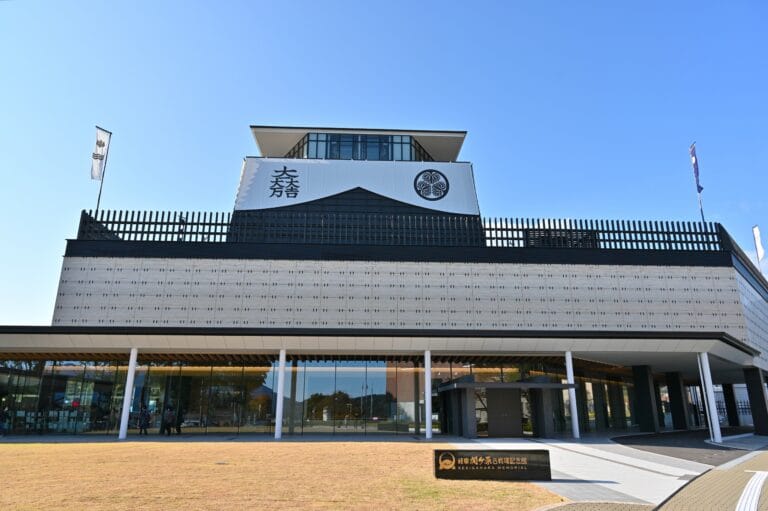
Upon approaching the Nagasaki Atomic Bomb Museum, visitors are immediately struck by the thoughtful and somber design of the building and surroundings. The museum’s external architecture blends modern and minimalist elements that do not overwhelm its solemn purpose. Visitors encounter a peace plaza near the entrance, featuring symbolic installations that evoke reflection even before stepping inside. Outside the museum, the atmosphere is contemplative, encouraging visitors to prepare themselves mentally for the weighty subject matter within. Adjacent spaces, such as the Peace Park, housing monuments and sculptures commemorating victims, contribute to a holistic experience rooted in remembrance and hope. The museum’s entrance is discreet yet inviting, reflecting a profound respect for the gravity of its contents. Signage is clear and informative, smoothing the transition from exterior environment to interior exhibitions, which begin promptly upon entry with introductory panels setting the tone for the narrative journey.
Highlights and Key Exhibitions
The Nagasaki Atomic Bomb Museum unfolds across several thematic sections that guide visitors through the historical progression leading up to, during, and following the bombing. Exhibits employ a combination of photographs, artifacts, detailed maps, and personal accounts to create a powerful and immersive storytelling experience. One of the most impactful displays includes original relics recovered from the bomb site, such as melted glass, clothing, and everyday items distorted or destroyed by the blast. These tangible remnants provide a visceral connection to the events, transforming abstract history into tangible reality.
The museum excels in its documentation of the immediate effects of the atomic bomb—the burning, blast injuries, and radiation sickness—presented with clinical detail but never losing sight of the human tragedy. Stories of survivors, their testimonies, and illustrations of their long-term struggles with health issues are sensitively handled and contribute to an empathetic understanding beyond numbers and dates.
Another significant section addresses the city’s reconstruction and ongoing commitment to peace education. The narrative of Nagasaki’s rebuilding amidst the devastation exemplifies resilience and hope. Interactive displays and multimedia presentations further enhance comprehension of complex scientific and historical information, making them accessible to a wide range of visitors. The museum also situates the Nagasaki bombing within the broader context of nuclear warfare and peace activism, provoking reflection on the ethical and moral questions that continue to surround nuclear arms.
Visitor Experience
The visitor experience at the Nagasaki Atomic Bomb Museum is characterized by its respectful and educational approach. The flow of the exhibition is logical and well-paced, enabling visitors to absorb difficult content without feeling overwhelmed. Information is presented bilingually, primarily in Japanese and English, which assists international guests, although some areas lack additional language options that could benefit a wider audience.
Staff members are known to be helpful and sensitive, maintaining the somber mood while supporting visitors’ inquiries. Audio guides and brochures are generally available, offering detailed supplementary context and enhancing the educational value of the visit. The museum’s atmosphere is quiet and contemplative, reinforced by seating areas and spaces designated for reflection.
While some visitors might find the subject matter emotionally heavy, the museum thoughtfully integrates hopeful messages focusing on peace and the universal desire to prevent such tragedies in the future. Throughout the visit, there is a palpable emphasis on remembrance combined with a forward-looking optimism that encourages learning from the past.
Tickets, Access, and Planning
Entry to the Nagasaki Atomic Bomb Museum is typically affordable, with reasonable admission fees that support the maintenance and educational outreach of the institution. Discounts for students, seniors, and groups may be available, while young children are often admitted free, given the nature of the content. The museum’s website provides updated ticket information and opening hours, which is advisable to consult ahead of planning a visit.
The museum is accessible via public transport, with clear directions from central Nagasaki transit points. Facilities accommodate a range of visitors, including those with mobility challenges; ramps, elevators, and accessible restrooms are thoughtfully integrated into the building’s design. Signage within and around the museum is clear and aids navigation, though additional multilingual signage could further enhance access for non-Japanese-speaking tourists.
Given the emotional intensity of the exhibits and the contemplative nature of the visit, it is recommended to allocate sufficient time—generally one to two hours—to fully absorb the displays and reflect on the experience. Photography is subject to restrictions, particularly in sensitive areas, and visitors should observe posted guidelines to maintain respect for the site and its narrative.
Final Verdict
The Nagasaki Atomic Bomb Museum offers a profoundly moving and educative experience that successfully balances historical detail with human stories of loss, survival, and resilience. It stands as an essential institution for understanding not only the immediate horrors of nuclear warfare but also the broader implications for humanity. The museum’s thoughtful curation, strong narrative structure, and combination of artifacts and testimony create an impactful visit that encourages reflection and dialogue.
While the emotional weight of the content may be challenging for some visitors, the museum handles this with sensitivity, offering spaces for contemplation and messages of hope. The educational value is considerable, making it a vital destination for those interested in history, ethics, and peace studies.
Improvements could be made in the area of multilingual support and interpretive accessibility to broaden its reach. Nonetheless, the Nagasaki Atomic Bomb Museum remains a deeply important cultural and historical institution. It stands as a beacon for peace advocacy and a poignant memorial, inviting individuals from around the world to engage with the painful past and envision a future free of nuclear threats.