Muzeum Warszawy Review
History Museums · Warsaw, Poland. The Muzeum Warszawy, or Museum of Warsaw, serves as a cultural beacon dedicated to the rich and diverse history of Poland’s capital city. Established in the early 20th century, the museum stands as a…
History Museums · Warsaw, Poland. The Muzeum Warszawy, or Museum of Warsaw, serves as a cultural beacon dedicated to the rich and diverse history of Poland’s capital city. Established in the early 20th century, the museum stands as a…
Best forArchitecture, royal history, heritage
Review focusHistorical collections, local context, and visitor planning
Historical Context
The Muzeum Warszawy, or Museum of Warsaw, serves as a cultural beacon dedicated to the rich and diverse history of Poland’s capital city. Established in the early 20th century, the museum stands as a repository of Warsaw’s evolving identity, from its medieval origins through turbulent periods of war and occupation, to its resilience and rebirth in the modern era. Its collections chronicle the social, political, and artistic narratives that have shaped Warsaw’s transformation over the centuries. The museum operates not merely as a traditional historical institution but as a dynamic storytelling space, preserving artifacts, documents, and artworks that offer multifaceted perspectives on the city’s past. The institution’s commitment to contextualizing Warsaw within broader national and European histories provides visitors with a comprehensive understanding, emphasizing continuity amidst change. Whether examining the architectural heritage or exploring the lived experiences of Warsaw's inhabitants, the museum encapsulates the spirit of a city marked by endurance and cultural richness.
What You See on Arrival
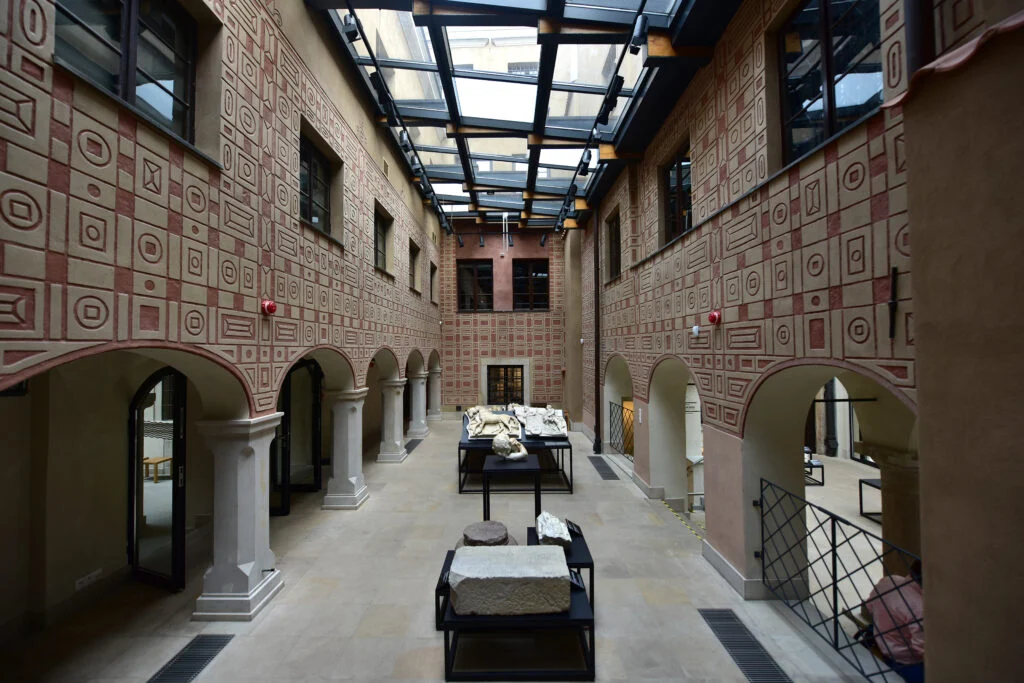
Situated in the heart of Warsaw, the Muzeum Warszawy greets visitors with a distinctive architectural ensemble that harmonizes historical charm with contemporary design elements. The museum complex itself is composed of several tenement houses surrounding the Old Town Market Place—an area registered as a UNESCO World Heritage site—offering an authentic glimpse into the city's urban fabric. Upon approach, the subtle yet inviting façade indicates the museum’s dual role as both a guardian of history and a modern cultural institution. The entrance area often presents an informative display, guiding visitors through various exhibitions and orienting newcomers to the museum’s vast offerings. The surrounding Old Town environment enhances the sense of immersion, allowing guests to feel connected to Warsaw’s historic atmosphere even before entering. The layout encourages exploration, with clear signage and an open, accessible lobby area that sets a tone of welcoming inclusivity.
Highlights and Key Exhibitions
Muzeum Warszawy boasts a comprehensive permanent exhibition that is thoughtfully curated to trace the city’s journey from its earliest settlements to its present-day status. A notable highlight is the collection illustrating medieval Warsaw, with intricate models and artifacts shedding light on urban development, trade, and everyday life. Transitioning to subsequent epochs, the museum displays compelling sections on the partitions of Poland and the profound impacts on Warsaw’s civic life and cultural identity. One of the central attractions is the section devoted to the Warsaw Uprising and World War II, offering poignant artifacts, personal testimonies, and multimedia presentations that underscore the city’s struggle and resilience during this period. Beyond wartime narratives, the museum exhibits Warsaw’s rebuild and modernization post-1945, examining architectural evolution and cultural shifts during the communist era and beyond. The museum’s integration of diverse media—including paintings, photographs, and everyday objects—creates a textured understanding of the city’s multifaceted history. Moreover, its commitment to displaying artifacts connected to ordinary citizens invites empathy and deeper reflection.
Visitor Experience
The visitor experience at Muzeum Warszawy is structured to be both informative and engaging, catering to a wide range of audiences including families, scholars, and casual tourists. The museum employs a mix of traditional displays and contemporary interpretive methods such as multimedia installations and interactive touchscreens, making historical content accessible without sacrificing depth. Staff are generally knowledgeable and approachable, offering guidance and supplementary information when needed. The museum’s layout encourages a logical progression through time, allowing visitors to absorb Warsaw’s history in an orderly and meaningful fashion. Educational programs and workshops often complement the exhibitions and are designed to engage younger visitors and school groups, fostering an early appreciation for the city’s heritage. Signage throughout the museum is bilingual—in Polish and English—thereby accommodating international guests. The atmosphere strikes a balance between solemn reflection in sections such as the wartime exhibits, and a celebratory appreciation of Warsaw’s cultural richness in other areas.
Tickets, Access, and Planning
Planning a visit to Muzeum Warszawy is facilitated by its central location and solid transport connections within Warsaw. The museum is accessible via several public transport options, including trams and buses, with nearby parking for visitors arriving by car. Opening hours tend to cater to both local and international visitors, though it is advisable to check for any seasonal variations or special closures in advance. The ticketing system is straightforward, with a variety of passes available including individual entrance fees, combined tickets for temporary exhibitions when available, and concessions for students, seniors, and groups. Many visitors benefit from discounted or free entry on designated days, which makes the museum accessible to a broader audience. The official website provides extensive information on current exhibitions, visitor guidelines, and accessibility features. The museum pays attention to accommodating visitors with disabilities, offering ramps, lifts, and adapted restroom facilities, though due to the historic nature of some of the buildings, certain areas may present mobility challenges.
Final Verdict
Muzeum Warszawy stands as a vital institution that effectively preserves and communicates the history of Poland’s capital in a nuanced and engaging manner. Its strength lies in the breadth and depth of its collections, covering a wide temporal spectrum with a particular sensitivity to the city’s darkest and most transformative periods. The museum successfully balances scholarly rigor with accessibility, ensuring that visitors from diverse backgrounds can appreciate Warsaw’s complex narrative. While the museum excels in its use of varied interpretive tools and maintains high standards in visitor services, occasional spatial constraints—owing to the historic buildings—can slightly affect the flow and accessibility for some guests. Nonetheless, this minor drawback is overshadowed by the institution’s dedication to authenticity and education. For those interested in European urban history, especially the endurance and cultural identity of a city marked by resilience, Muzeum Warszawy offers an enriching, thought-provoking experience that deepens understanding and fosters connection with Warsaw’s past and present.