Flying Boat Museum Review
History Museums · Botwood, Canada. The Flying Boat Museum, situated in the coastal town of Botwood, Canada, is a specialized institution dedicated to preserving and celebrating the rich heritage of flying boats in aviation history. Flying boats, which are…
History Museums · Botwood, Canada. The Flying Boat Museum, situated in the coastal town of Botwood, Canada, is a specialized institution dedicated to preserving and celebrating the rich heritage of flying boats in aviation history. Flying boats, which are…
Best forMaritime history, ships, harbour heritage
Review focusHistorical collections, local context, and visitor planning
Historical Context
The Flying Boat Museum, situated in the coastal town of Botwood, Canada, is a specialized institution dedicated to preserving and celebrating the rich heritage of flying boats in aviation history. Flying boats, which are aircraft designed to take off from and land on water, played a pivotal role during the early and mid-20th century, especially in the development of transatlantic flight and maritime patrol operations. Botwood itself was once a crucial hub for flying boat activity, serving as an important base for pioneering commercial air routes that connected North America to Europe and beyond. The museum pays homage to this era, providing insight into both the technological advancements and the human stories associated with these unique aircraft. By focusing on this niche yet significant aspect of aviation history, the museum offers visitors a glimpse into a transformative period when water-based aircraft reshaped long-distance travel and military strategy alike. The Flying Boat Museum thus stands as a testament to both local heritage and global aviation innovation.
What You See on Arrival
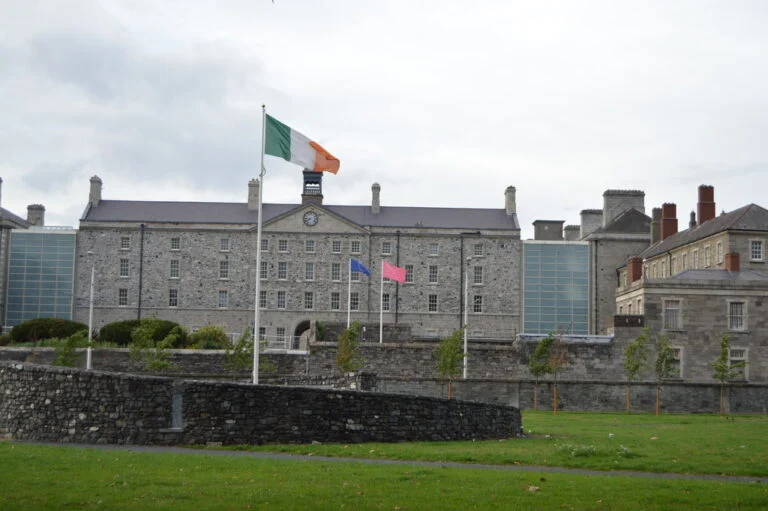
Approaching the Flying Boat Museum, visitors are greeted by a modest yet purposeful building designed to blend function with the maritime character of the region. The setting near the waterfront enhances the museum’s thematic resonance, reminding guests of the intimate relationship between flying boats and their aquatic environment. The exterior signage is clear and inviting, with ample parking and easy access to the entrance. Upon arrival, one encounters a well-organized visitor area that features introductory displays, including historical photographs and brief explanatory texts that set the stage for what lies within. The atmosphere is calm and reflective, with attention drawn toward the outdoor exhibition space where a full-scale flying boat or related aircraft components may be on display. This initial experience effectively prepares visitors to delve deeper into the specialized content housed inside the museum’s exhibition halls.
Highlights and Key Exhibitions
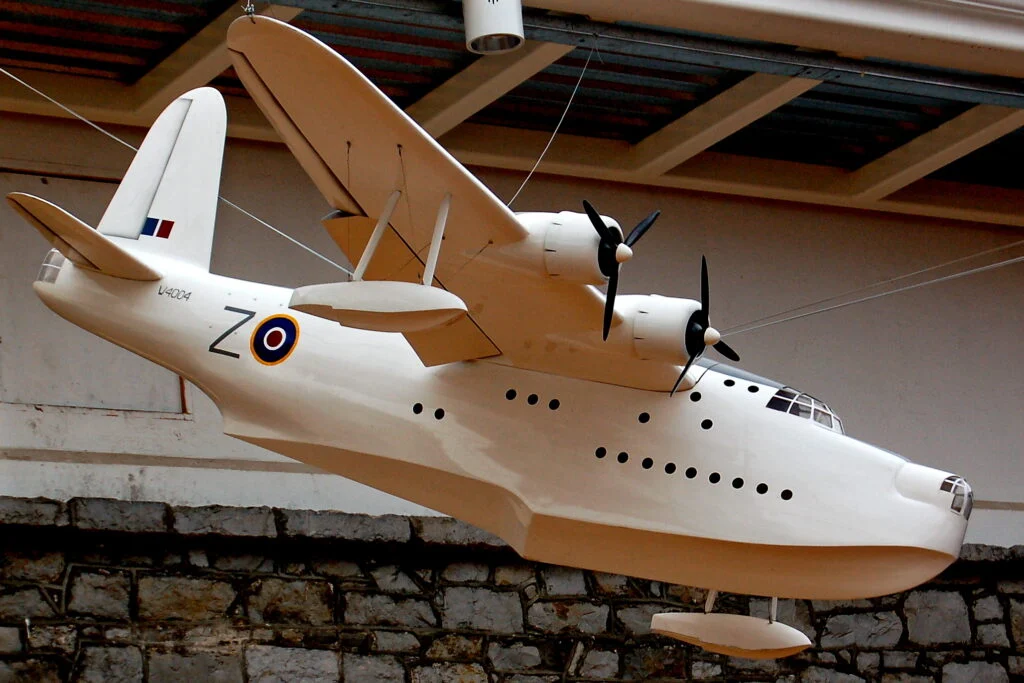
The Flying Boat Museum’s core strength lies in its well-curated collection of artifacts that narrate the evolution of flying boats and their significance in aviation history. Key exhibitions include meticulously restored aircraft models, scale replicas, and large, detailed technical diagrams that illustrate the engineering feats behind these machines. Visitors will find engaging displays on the development of iconic flying boats used for both commercial and military purposes, including extensive coverage of the various designs that emerged throughout the 20th century.
One standout feature is the in-depth presentation of the local impact of flying boat operations on Botwood, including archival materials such as flight logs, pilot diaries, and period advertisements that contextualize Botwood’s strategic importance. The museum also sheds light on the operational challenges of flying boats, such as navigation across vast ocean distances and the maintenance demands posed by their aquatic environment.
Supplementary exhibits explore ancillary subjects, including the role of flying boats in pioneering airmail routes and the transition from steam-powered to more advanced piston and jet engines. The incorporation of multimedia displays enhances the narrative, providing audio-visual elements like archived radio communications and historical footage, which enrich the visitor’s understanding. The balance of technical detail with human interest stories ensures the exhibitions maintain appeal to both aviation enthusiasts and general audiences.
Visitor Experience
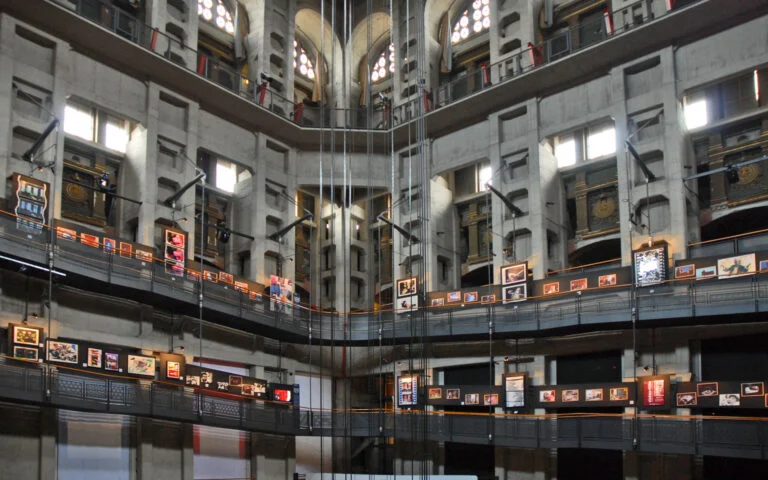
The Flying Boat Museum delivers an accessible and informative experience that caters to a broad spectrum of visitors. The layout is thoughtfully designed to guide guests through the historical timeline while allowing flexibility for more in-depth exploration. Signage is clear and concise, avoiding technical jargon without overwhelming those unfamiliar with aeronautical terminology. For those seeking further engagement, the museum staff are knowledgeable and approachable, offering additional insights and answering questions.
While the museum excels in content, certain areas could benefit from more interactive elements to better engage younger visitors or those less acquainted with aviation history. The absence of hands-on exhibits or simulators may limit appeal for families or educational groups looking for more dynamic experiences. Nonetheless, the existing audiovisual components serve to break up text-heavy sections effectively.
The museum’s quiet, contemplative environment encourages visitors to take their time with the exhibits, fostering an appreciation of the intricate history on display. The availability of seating areas and supplementary reading material adds to the overall comfort, making it suitable for longer visits. A modest gift shop offers related memorabilia and literature but maintains a focus on educational rather than commercial priorities.
Tickets, Access, and Planning
Admission to the Flying Boat Museum is straightforward, with a pricing structure that aims to be reasonable and encouraging for both local residents and tourists. Discounts are generally available for seniors, students, and children, with occasional group rates designed to accommodate educational or organizational visits. The museum’s website provides practical information on opening hours, special events, and accessibility accommodations, making it a convenient resource for planning a visit.
In terms of access, the facility is equipped to welcome visitors with mobility challenges, featuring ramps and accessible restrooms. The waterside location, while evocative of the flying boat’s natural environment, may present minor challenges in inclement weather; however, there are sheltered areas to mitigate this concern. Public transportation options to Botwood are limited, so most visitors arrive by car or tour bus, and parking availability is adequate.
It is advisable to allocate at least one to two hours for a thorough visit, given the depth and detail of the exhibitions. Casual enthusiasts may choose shorter visits focused on highlights, while aviation historians and enthusiasts will find sufficient richness for extended stays.
Final Verdict
The Flying Boat Museum in Botwood offers a singular and well-rounded perspective on a captivating chapter of aviation history, focusing on flying boats’ operational and technological achievements. Its strengths lie in the authenticity of its collections, the clarity of its narrative, and the thoughtful connection it maintains to both local heritage and global aviation developments. The museum succeeds in illuminating an often-overlooked aspect of aerial transportation, delivering an educational experience that balances technical information with engaging storytelling.
While the institution may not boast the scale or interactive sophistication of larger aviation museums, it stands out for its specialized focus and the quality of its curated material. Its peaceful setting and comprehensive exhibits make it a worthwhile destination for those intrigued by aviation, maritime history, or Canadian heritage. Opportunities remain to enhance visitor engagement, particularly through more interactive or multimedia programming, but these do not detract significantly from the overall impact.
In summation, the Flying Boat Museum is a commendable addition to Canada’s museum landscape, providing meaningful insight into a unique form of flight and the community that supported its development. It appeals both as a scholarly resource and a reflective site celebrating an era when the skies and seas were intricately linked by human ingenuity and daring.