FIFA World Football Museum Review
Sports Museums · Zürich (Kreis 2) / Enge, Switzerland. The FIFA World Football Museum, located in Zürich’s Kreis 2 district in the Enge neighborhood, presents an immersive journey into the rich history and cultural significance of football, arguably the world’s most beloved spor…
Sports Museums · Zürich (Kreis 2) / Enge, Switzerland. The FIFA World Football Museum, located in Zürich’s Kreis 2 district in the Enge neighborhood, presents an immersive journey into the rich history and cultural significance of football, arguably the world’s most beloved spor…
Best forScience, technology, hands-on learning
Review focusCollections, visitor experience, and practical planning
Historical Context
The FIFA World Football Museum, located in Zürich’s Kreis 2 district in the Enge neighborhood, presents an immersive journey into the rich history and cultural significance of football, arguably the world’s most beloved sport. Established by FIFA, the global governing body of football, the museum aims to celebrate the sport’s evolution from its early codified origins to the contemporary global phenomenon it is today. Opened in 2016, the museum not only archives the sporting milestones and legendary moments but also contextualizes football within broader social, political, and cultural frameworks. This institution provides an aesthetic and educational narrative of the game’s development, emphasizing its unifying power across nations and cultures. Situated in the city that hosts FIFA’s headquarters, the museum benefits from its strategic location, strengthening Zürich’s role as a global hub for football governance and heritage.
What You See on Arrival
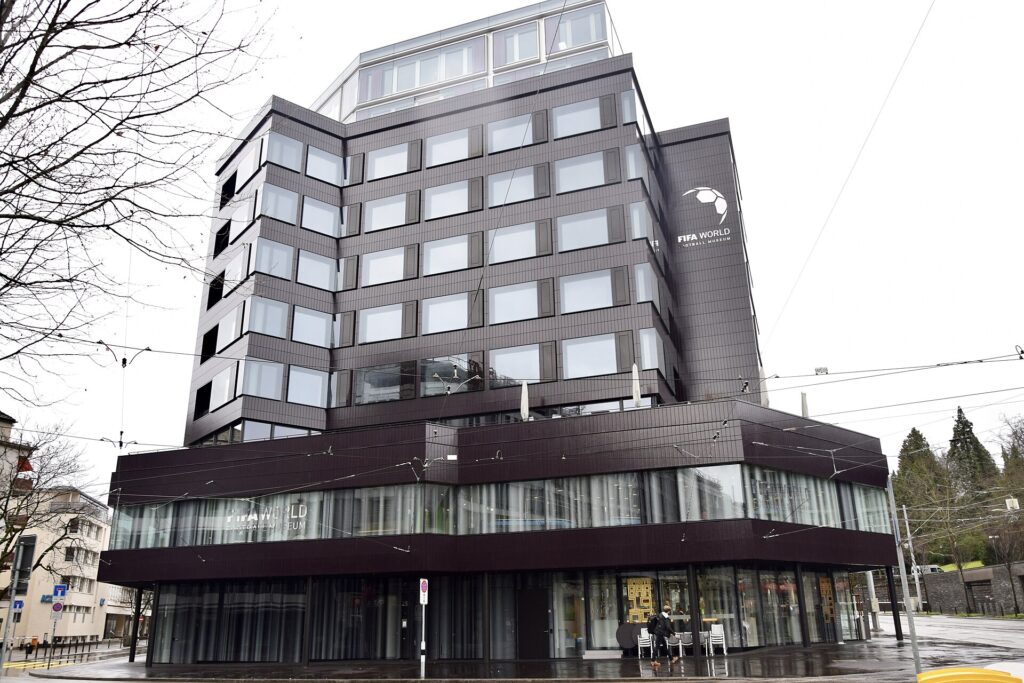
On approach, visitors are greeted by a sleek, modern building that complements the institution’s ambition to bridge tradition and innovation. The museum’s exterior design combines elements of transparency and sleek urbanity, underscoring the multifaceted nature of football itself – open, dynamic, and globally accessible. The entrance area is spacious and welcoming, featuring clear signage and visual references to the sport. Visitors can immediately sense that the museum is committed to both the grandeur and the everyday joy of football. The lobby sets the tone with vibrant imagery and interactive displays that hint at the extensive and engaging journey that lies ahead. The location is well integrated within the local transport system, making access straightforward for international tourists and residents alike.
Highlights and Key Exhibitions
The FIFA World Football Museum excels in offering a comprehensive presentation of football through a variety of media and exhibits. A central highlight is the permanent exhibition, which traces the chronological development of the sport. Visitors encounter a wealth of historic memorabilia, including original uniforms, balls, and trophies, prominently featuring the iconic FIFA World Cup trophies. The narrative explores early football’s origins in the United Kingdom, the standardization of rules, and subsequent global dissemination.
The museum features a significant emphasis on key tournaments, with detailed accounts of historic World Cup competitions, presenting legendary matches and players through multimedia storytelling, archival footage, and artifacts. Stories intertwine individual player achievements with team dynamics and national pride, portraying football not just as a sport, but as a catalyst for cultural identity.
Interactive elements bolster the experience, allowing visitors to engage with technology that simulates penalty kicks, tactical play analysis, and fan culture experiences. Photographic galleries highlight football’s expansive reach, from grassroots to professional spheres, showcasing how the sport operates as a global social phenomenon. The institution also places focus on the broader societal impact of football, including themes of inclusion, equality, and the sport’s role in international diplomacy.
Visitor Experience
Visitors can expect a balanced mix of education and entertainment, with exhibitions carefully curated to appeal to both football aficionados and those with a general interest in culture and history. The museum atmosphere is designed to be vibrant yet contemplative, with quiet zones that allow a deeper engagement with historical artefacts juxtaposed against more dynamic areas dedicated to interactive learning. Clear signage, multilingual descriptions, and audio guides enhance accessibility, ensuring that the narrative is approachable for a diverse audience.
Visitor engagement is further enriched by temporary spaces reserved for educational workshops and talks, though these rotate and are not permanent fixtures. The museum café and shop offer appropriately themed refreshments and memorabilia, completing a holistic visit that extends beyond the galleries. Given the nature of the content, the museum occasionally attracts school groups and families, and facilities are well adapted to accommodate these demographics, with thoughtfully planned layouts and seating areas.
Tickets, Access, and Planning
Admission to the FIFA World Football Museum is reasonably priced, with concessions offered for children, students, seniors, and groups, encouraging wide accessibility. Pre-booking tickets online via the official website is recommended to secure preferred time slots and to avoid queues, especially during peak seasons or major football events. The museum is easily reachable by public transport, with tram and bus stops conveniently located nearby, and is within walking distance from Zürich’s central transport hubs.
The building is fully accessible to visitors with disabilities, with lifts, ramps, and dedicated parking options. Visitors are advised to allocate approximately two to three hours to fully appreciate the permanent exhibitions without rushing. It is worth noting that photography is generally permitted, provided that flash and tripods are avoided to preserve the exhibits.
Final Verdict
The FIFA World Football Museum stands out as a well-conceived celebration and serious contemplation of football’s rich heritage and contemporary cultural relevance. It skillfully balances the presentation of sport-specific history with broader social narratives, creating a multifaceted and inclusive visitor experience. The combination of tangible artifacts, multimedia presentations, and interactive installations ensures that the museum appeals to a broad demographic, from hardcore fans to casual visitors. Strategically situated in Zürich, it benefits from proximity to the sport’s administrative heart, heightening its authenticity and authority.
While the museum’s passion for football is evident throughout, the curation avoids overly celebratory or biased tones, instead offering a nuanced exploration that acknowledges football’s complexities and contradictions. Visitors might find the museum’s scale less extensive compared to some national sports museums, but its focused and refined approach compensates through depth and quality.
For anyone interested in football as a global cultural force, or in understanding the sport’s profound impact across history and society, the FIFA World Football Museum is an essential destination. Whether your primary interest lies in historic artifacts, legendary players, or the socio-political ramifications of football, this museum provides an enriching and engaging platform to explore it all.