Museum of the Polish Army Review
Military Museums · Warsaw, Poland. The Museum of the Polish Army in Warsaw stands as a testament to Poland’s rich and complex military heritage, tracing the nation's turbulent history from the medieval era through the modern age. Situated in…

Military Museums · Warsaw, Poland. The Museum of the Polish Army in Warsaw stands as a testament to Poland’s rich and complex military heritage, tracing the nation's turbulent history from the medieval era through the modern age. Situated in…
Best forScience, technology, hands-on learning
Review focusExhibits, interpretation, visitor flow
Historical Context
The Museum of the Polish Army in Warsaw stands as a testament to Poland’s rich and complex military heritage, tracing the nation's turbulent history from the medieval era through the modern age. Situated in Poland's capital, this institution reflects the country’s resilience in the face of occupations, wars, and political upheavals. Established in the early 20th century, the museum serves not merely as a repository of artefacts but as a vehicle for national identity and remembrance. Its collections span epochs marked by the legendary Polish-Lithuanian Commonwealth, the partitions of Poland, the struggles of the two World Wars, and the Cold War period. The museum’s purpose extends beyond showcasing arms and uniforms; it reveals the stories of Polish soldiers and their sacrifices, illuminating the broader socio-political context and evolving military technology. Visitors are afforded insight into key moments that have shaped the Polish armed forces, making the institution a vital resource for understanding Poland’s historical narrative within a European framework.
What You See on Arrival
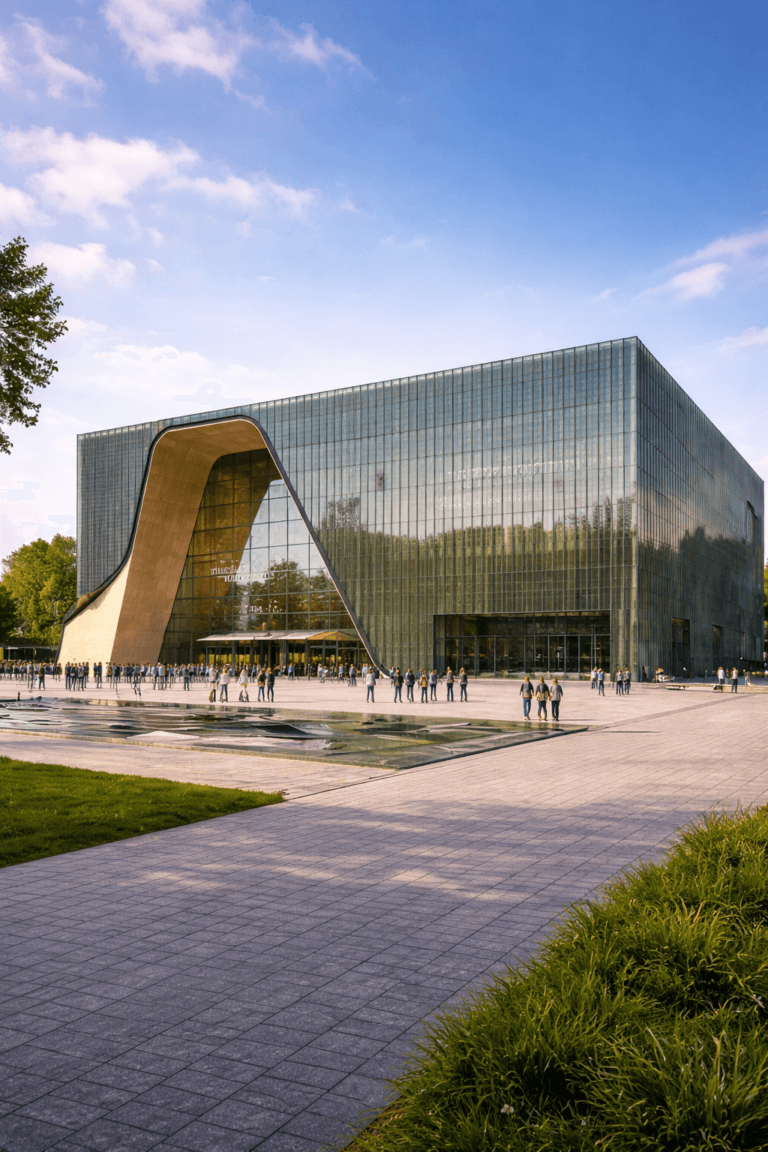
The Museum of the Polish Army commands attention even before entry with its imposing, classical architecture reflective of its long-standing cultural importance. Nestled near historic landmarks in Warsaw, the exterior grounds are expansive, featuring military vehicles and artillery pieces that foreshadow the museum’s extensive collection. Upon approaching the main entrance, visitors encounter a solemn yet welcoming atmosphere, emblematic of the institution’s focus on tribute and education. The entrance hall serves as an introduction, typically hosting permanent exhibitions that orient visitors to the thematic scope of the museum. As one moves inside, the layout unfolds with careful curation—from informative texts and multimedia displays to authentic military artifacts—that create a layered narrative experience. The design of the space seeks to balance reverence and accessibility, ensuring that the gravity of the museum’s content is matched by clarity in presentation.
Highlights and Key Exhibitions
Among the museum’s extensive array of exhibits, several stand out for their depth and significance. Early military memorabilia such as medieval armor and weaponry provide a foundational understanding of Poland’s martial origins. The museum’s portrayal of the Napoleonic era and the November Uprising is thorough, underscoring Poland’s repeated quests for sovereignty. The collection of World War I artifacts offers rare insights into the roles played by Polish soldiers within larger imperial conflicts, while the displays dedicated to the interwar period capture the evolving identity of the Polish military during a fragile era of independence.
The sections focused on World War II are particularly poignant, with detailed presentations of the Polish army’s contributions and sacrifices, both on home soil and abroad. Personal items, uniforms, and multimedia installations convey the human dimension of the war against the backdrop of strategic and technological developments. Postwar exhibits touch on the challenges of the Cold War, Soviet influence, and the eventual transformation of Poland’s military forces in the late 20th century. Throughout the museum, there is an emphasis on the ethical and political implications of warfare, inviting visitors to consider broader questions beyond the artifacts themselves.
Visitor Experience
The Museum of the Polish Army offers an experience that is both intellectually stimulating and emotionally resonant. Exhibition spaces are well-lit and thoughtfully organized, allowing for a logical progression through Poland’s military history. Descriptive plaques and contextual texts are generally clear and informative, though some segments may require prior knowledge or additional reading to fully appreciate the complexities involved. Multimedia displays and interactive elements enhance engagement, particularly for younger audiences or those less familiar with military history.
One notable strength of the museum is its balance of large-scale exhibits, such as tanks and aircraft, with more intimate displays that highlight personal narratives, letters, and diaries. This dual approach humanizes the often-abstract concept of military history. The museum staff are reportedly knowledgeable and approachable, contributing positively to the overall atmosphere of learning and reflection. While most visitors will find the museum accessible and enriching, those seeking a purely casual experience might encounter occasional dense or detailed sections that demand concentration and patience.
Tickets, Access, and Planning
Access to the Museum of the Polish Army is convenient given its central location in Warsaw. Public transportation options are plentiful, facilitating ease of arrival for both local and international visitors. The museum is designed to accommodate a range of visitors, including families, students, and researchers, with amenities such as elevators and seating areas to support comfort during longer visits.
Ticketing is straightforward and reasonably priced, making the museum an accessible cultural destination. Discounts are typically available for seniors, students, and groups, encouraging broad public engagement. The museum’s opening hours are regular but it is advisable for visitors to check in advance for any schedule changes or special considerations. While audio guides and brochures in multiple languages enhance the experience, some visitors might find that supplementary materials or guided tours could enrich understanding of certain complex exhibits.
Final Verdict
The Museum of the Polish Army is a compelling and comprehensive institution that effectively chronicles the military history of Poland across centuries. Its strength lies in the depth and breadth of its collections as well as its commitment to contextualizing military events within broader historical, social, and political frameworks. The museum manages to evoke both national pride and critical reflection, making it a significant cultural landmark in Warsaw.
While the experience is largely rewarding, the dense nature of some exhibitions may present challenges for casual visitors or those new to military history. Nevertheless, the balance of large-scale artifacts with intimate personal stories offers a multifaceted perspective that appeals to a wide audience. With its accessible location, reasonable entry fees, and emphasis on educational value, the museum is well positioned to remain a key destination for anyone interested in understanding the complexities of Poland’s military past and its enduring legacy today.