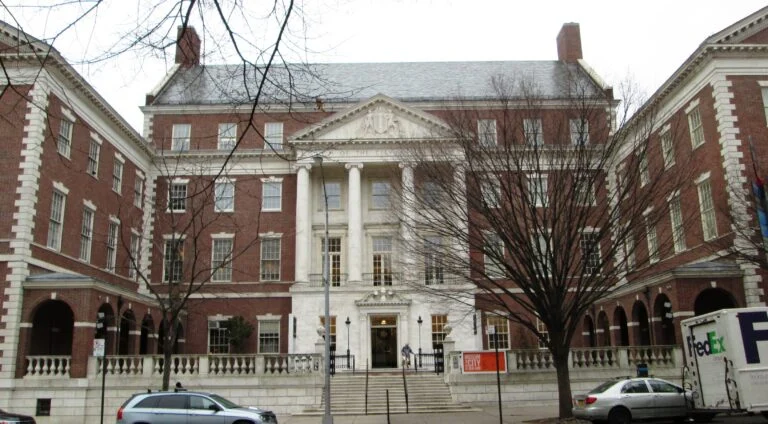
Museum of Jewish Heritage Review
Jewish History Museums · New York City, United States. Situated in the heart of New York City, the Museum of Jewish Heritage stands as a profound testament to the enduring spirit and complex history of Jewish communities worldwide, with a particular focus on…

Jewish History Museums · New York City, United States. Situated in the heart of New York City, the Museum of Jewish Heritage stands as a profound testament to the enduring spirit and complex history of Jewish communities worldwide, with a particular focus on…
Best forScience, technology, hands-on learning
Review focusExhibits, interpretation, visitor flow
Historical Context
Situated in the heart of New York City, the Museum of Jewish Heritage stands as a profound testament to the enduring spirit and complex history of Jewish communities worldwide, with a particular focus on the horrors of the Holocaust and its aftermath. Founded in 1997, the museum is dedicated not only to the remembrance of those lost but also to the preservation of Jewish culture, identity, and resilience over centuries. Its location in Lower Manhattan is deeply symbolic, underscoring the museum's mission to educate the public about the consequences of hatred and intolerance while celebrating the vitality and contributions of Jewish people past and present. The institution serves as both a memorial and an educational center, addressing themes of survival, renewal, and human rights through a multidimensional collection of artifacts, testimonies, and multimedia presentations. This dual purpose distinguishes it as both a solemn place of reflection and a vibrant cultural institution within an urban context marked by diversity and dynamism.
What You See on Arrival
Approaching the Museum of Jewish Heritage, visitors are greeted with a visually striking architecture that combines modern design with symbolic elements reflecting the museum’s mission. The building’s exterior melds natural materials and expansive glass panels, thoughtfully integrating the museum into the surrounding Battery Park City landscape while offering inviting transparency and open views. At street level, the entrance is marked by understated signage that hints at the gravity and significance contained within. Upon entering, there is a clear transition from the bustling cityscape to a subdued and contemplative interior space. The lobby area is spacious and subtly decorated, featuring thematic design elements that prepare visitors for the weighty narratives ahead. Exhibits and directional signage are immediately visible, oriented to guide guests toward the main galleries and resources such as the auditorium, library, and education center. Overall, the arrival experience balances accessibility with reverence, setting an appropriate tone for the museum’s content.
Highlights and Key Exhibitions
The Museum of Jewish Heritage’s permanent exhibitions offer a meticulously curated journey through Jewish history, especially focusing on the Holocaust, a subject it approaches with profound sensitivity and scholarly rigor. Central to the visitor experience is the Holocaust exhibition which combines personal artifacts, survivor testimonies, photographs, and multimedia installations. These comprehensive presentations render the human impact of this historical atrocity both visceral and intellectually accessible. A notable feature is the use of personal stories that embody broader historical realities, allowing individual experiences to resonate on a universal scale.
Complementing the Holocaust galleries are exhibitions that explore pre-war Jewish life in Europe, capturing the rich cultural and religious traditions that were tragically interrupted. The museum also highlights the continuity of Jewish identity through post-war recovery, diaspora experiences, and ongoing cultural contributions. Another significant component is the exploration of Jewish life in America, which contextualizes the immigrant experience and the community’s evolving place within the broader national fabric.
The museum is well recognized for its rotating thematic exhibitions that delve into aspects such as Jewish art, history, and the ongoing relevance of Jewish thought and activism. The education-centered displays frequently invite reflection on contemporary social issues such as human rights, tolerance, and the dangers of prejudice, linking historical narratives to present-day global challenges.
Visitor Experience
Visitors to the Museum of Jewish Heritage can expect a thoughtfully constructed and immersive experience that balances emotional education with intellectual engagement. The museum’s layout encourages a chronological exploration, generally guiding guests through the story of Jewish endurance and sacrifice with measured pacing. Audio guides, when available, enrich the journey, providing additional context and personal insights. Multimedia elements such as film screenings and interactive displays enhance understanding, though the museum maintains a restrained and respectful atmosphere, avoiding sensationalism.
The staff and educators are often commended for their knowledgeable and compassionate approach, facilitating a visitor experience marked by both warmth and clarity. The institution offers resources for diverse audiences, including younger visitors and scholars, with programming and materials adapted to different levels of prior knowledge and interest.
While the museum is accessible to a broad public, the density and seriousness of the exhibitions can make for a heavy visit, and the space is designed with contemplation in mind, featuring quiet areas and seating for rest. The accompanying gift shop presents thoughtfully curated literature and cultural items that reflect the museum’s focus, providing a meaningful way to continue the educational experience beyond the visit itself.
Tickets, Access, and Planning
The Museum of Jewish Heritage operates a straightforward ticketing system that offers various options to suit different visitor needs. Admission prices are standard for New York City museums, with discounts available for seniors, students, and groups. Children under a certain age often gain free access, and there may be periodic free admission days, although checking the official website before planning a visit is advised. Advance ticket purchase is recommended, especially during peak tourist seasons and special commemorative dates, to avoid wait times.
Accessibility is a notable strength of the institution, with the building designed to accommodate visitors with mobility impairments. Wheelchair access, elevators, and accessible restrooms are in place, as are assistive listening devices and braille materials for certain exhibits. Public transportation options abound, with the museum conveniently reachable by subway, bus, and ferry services, complemented by nearby parking facilities although these can be limited given the urban setting.
Visitors are encouraged to allocate at least two to three hours to fully engage with the museum’s core exhibits and facilities, including time for reflection in the contemplative spaces. The site’s location near Battery Park also allows for supplementary activities, such as viewing the Statue of Liberty from a distance or enjoying the waterfront parkland, making it feasible to combine a museum visit with broader exploration of Lower Manhattan.
Final Verdict
The Museum of Jewish Heritage is an essential institution in New York City’s cultural and historical landscape, presenting an imperative narrative that combines sobering history with a celebration of survival and continuity. Its exhibitions are thoughtfully researched and sensitively mounted, aiming to educate visitors about past atrocities while underscoring the relevance of these lessons today. The museum’s architectural ambiance and visitor services reinforce a respectful and immersive experience, rendering it a necessary visit for those interested in Jewish history, Holocaust remembrance, and human rights education.
That said, the sometimes dense and emotionally intense nature of the content may not appeal to every visitor, and those seeking lighter museum fare might find the atmosphere quite solemn. However, this seriousness is integral to the museum’s mission, and the institution manages this tone with great care and professionalism. In sum, the Museum of Jewish Heritage succeeds in honoring memory and promoting understanding, making it a deeply moving and educational destination within New York’s bustling cultural scene.