Museum of Memory and Human Rights Review
Art Museums · Santiago, Chile. The Museum of Memory and Human Rights, located in Santiago, Chile, stands as a poignant tribute to the victims of human rights violations during the country’s military dictatorship from 1973 to 1990. This period…
Art Museums · Santiago, Chile. The Museum of Memory and Human Rights, located in Santiago, Chile, stands as a poignant tribute to the victims of human rights violations during the country’s military dictatorship from 1973 to 1990. This period…
Best forScience, technology, hands-on learning
Review focusExhibits, interpretation, visitor flow
Historical Context
The Museum of Memory and Human Rights, located in Santiago, Chile, stands as a poignant tribute to the victims of human rights violations during the country’s military dictatorship from 1973 to 1990. This period was marked by widespread abuses, including enforced disappearances, torture, and extrajudicial killings under the regime of Augusto Pinochet. The museum was established to document and educate visitors about these dark chapters in Chilean history, while promoting awareness and reflection on human rights issues both locally and globally. It embodies a commitment to memory as a form of resistance against forgetting and denial. The institution serves not only as a historical record but also as a space fostering dialogue, reconciliation, and the universal value of human dignity. It is one of Latin America’s most important cultural centers dedicated to confronting past atrocities and advocating for justice and human rights.
What You See on Arrival
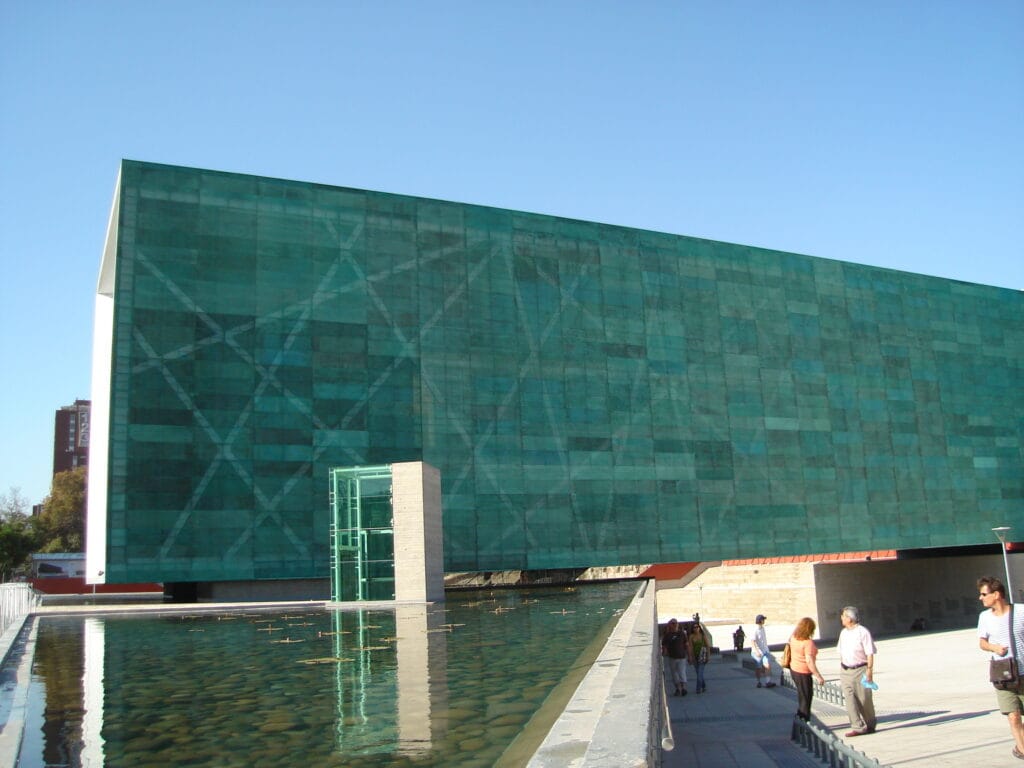
Approaching the Museum of Memory and Human Rights offers an immediate sense of solemnity and respect. The building itself is designed with clean, modernist lines that blend thoughtfully with the urban environment of Santiago. The facade is deliberately austere, reflecting the gravity of the themes found within. Upon entry, visitors are greeted by an open plaza that encourages quiet contemplation, an architectural cue to the museum’s serious subject matter. Adjacent to the entrance, several outdoor installations and sculptural works serve as visual memorials to the lives affected by the dictatorship. These introductory spaces set a reflective tone before one moves into the interior galleries. Signage at the entrance is clear and informative, offering guidance on the layout and the content so visitors can prepare for the emotional depth of the experience ahead.
Highlights and Key Exhibitions
Inside, the museum’s exhibitions are carefully curated to provide a comprehensive and respectful overview of state terrorism and resistance. Permanent collections display a wealth of archival materials, including photographs, letters, official documents, and personal belongings belonging to victims and survivors. These artifacts humanize the often overwhelming statistics and historical facts. One of the museum’s notable strengths lies in its multimedia presentations, which incorporate recorded testimonies and video installations that bring firsthand narratives to the forefront. These elements serve to deepen visitors’ understanding and emotional connection. Another key area focuses on international human rights struggles, contextualizing Chile’s experience within a broader global framework of oppression and mobilization for justice. The museum also offers dedicated spaces for temporary exhibitions, educational programs, and workshops, though these vary over time and maintain the overall theme of human rights advocacy.
Visitor Experience
The museum is thoughtfully organized to guide visitors through a chronological and thematic journey. The layout encourages a gradual immersion into the historical realities of the dictatorship era, moving from broader historical background to more intimate personal stories. The carefully controlled lighting and minimalist design amplify the emotional resonance of the displays, avoiding sensationalism while honoring the victims’ dignity. Detailed captions and bilingual descriptions (Spanish and English) enhance accessibility for international visitors. The atmosphere of quiet reflection is maintained by attentive staff who provide assistance without intruding on visitors’ contemplative experience. While the content is at times harrowing, the museum offers spaces for rest and regrouping, including seating areas and a small café. The educational outreach, including guided tours and special programs, enriches the visit for those seeking deeper engagement.
Tickets, Access, and Planning
Entrance to the Museum of Memory and Human Rights is free, underscoring the institution’s commitment to accessibility and public education. The museum is open during regular business hours on weekdays and weekends, with some variability in holiday scheduling, making it advisable to consult the official website before planning a visit. It is situated conveniently in Santiago, accessible via public transportation including the city’s metro system and buses. The nearby parking facilities are limited, so public transit is recommended for convenience. The venue is wheelchair accessible, with ramps and elevators thoughtfully installed to accommodate visitors with mobility challenges. Signage throughout the building includes clear directions and information, contributing to ease of navigation. Additionally, the museum’s digital resources, including an informative website, provide preparatory material and updates on any potential changes in exhibition schedules or special events.
Final Verdict
The Museum of Memory and Human Rights stands as a significant cultural and educational institution in Santiago, offering a sobering yet essential exploration of Chile’s recent history. Its focus on documenting human rights abuses with respect and empathy ensures the preservation of memory in a manner that both informs and inspires reflection. The combination of archival depth, personal narratives, and international context creates a powerful, multifaceted storytelling experience that resonates well beyond Chile’s borders. While the subject matter is inevitably distressing, the museum’s design and curation provide a balanced approach that honors dignity without sensationalism. Its free admission, accessibility, and educational offerings make it a valuable destination not only for those interested in history or human rights but also for anyone seeking to understand the complexities of memory and justice. Overall, it is a thoughtful, impactful museum that challenges visitors to confront painful truths while fostering hope for a more just future.