Museu Nacional d’Art de Catalunya Review
Museu Nacional d’Art de Catalunya (MNAC) Catalan & European Art · Barcelona, Spain Art Above the City The Museu Nacional d’Art de Catalunya does not.

Museu Nacional d’Art de Catalunya (MNAC) Catalan & European Art · Barcelona, Spain Art Above the City The Museu Nacional d’Art de Catalunya does not.
Best forMasterpieces, architecture, cultural history
Review focusCollection highlights, building, visitor flow
Historical Context
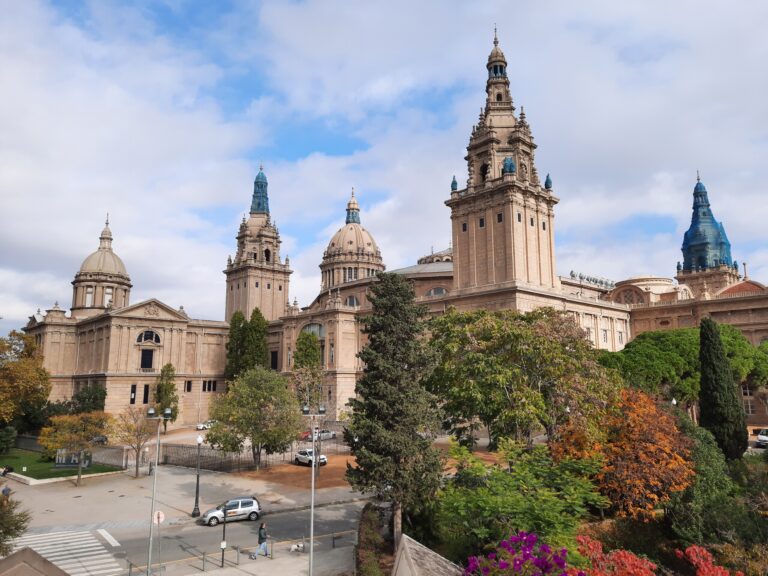
The Museu Nacional d’Art de Catalunya (MNAC), located in Barcelona, traces its origins to the early 20th century, when efforts were made to preserve and present Catalonia’s artistic heritage in a unified institution. Officially established in 1934, the museum brought together collections that had previously been dispersed across different institutions. Its home, the Palau Nacional, was constructed for the 1929 International Exposition, standing prominently on Montjuïc hill as a symbol of cultural ambition.
One of the defining achievements of MNAC has been its role in preserving Romanesque art. During the early 20th century, frescoes from rural churches in the Pyrenees were at risk of deterioration and removal. These works were carefully transferred to the museum, where they remain one of the most significant collections of Romanesque mural painting in the world.
Over time, MNAC expanded its scope to include Gothic, Renaissance, Baroque, and modern Catalan art, creating a comprehensive narrative of regional artistic development. Today, it functions not only as a museum but also as a cultural institution deeply connected to Catalonia’s identity and history.
What You See on Arrival
Arriving at MNAC is a visually striking experience. The Palau Nacional dominates the skyline above Plaça d’Espanya, with its grand façade and sweeping staircases leading up to the entrance. The setting itself creates a sense of anticipation, with panoramic views over Barcelona adding to the impression.
Inside, the museum’s scale becomes immediately apparent. Large halls, high ceilings, and wide galleries reflect the building’s origins as an exhibition palace. Despite its size, the layout is structured in a way that allows visitors to move chronologically through different artistic periods.
The atmosphere is more traditional compared to contemporary museums, with a strong emphasis on presentation and preservation. The sense of space allows for a more measured pace, encouraging visitors to spend time with individual works rather than rushing through the galleries.
Highlights and Key Exhibitions
The Romanesque collection is widely regarded as the museum’s centerpiece. These frescoes, originally from small churches in the Pyrenees, are displayed in reconstructed architectural settings that recreate their original context. The result is a unique and immersive experience that sets MNAC apart from many other museums.
The Gothic galleries provide a continuation of this narrative, showcasing altarpieces and religious works that illustrate the evolution of artistic styles in Catalonia. The level of detail and craftsmanship in these works is a major highlight.
Moving forward in time, the Renaissance and Baroque collections introduce a broader European perspective, with works that reflect artistic exchanges between Spain and the rest of Europe.
The modern art section focuses on Catalan artists, offering insight into movements such as Modernisme. Paintings, sculptures, and decorative arts from this period highlight the cultural transformation of Barcelona in the late 19th and early 20th centuries.
Temporary exhibitions add further depth, often exploring specific themes or artists in greater detail, ensuring that the museum remains dynamic and relevant.
Visitor Experience
The experience at MNAC is shaped by its scale and depth. With extensive collections spanning multiple periods, visitors can easily spend several hours exploring the museum.
Pacing is an important consideration. The chronological layout helps guide the visit, but the sheer volume of works can make it challenging to see everything in one visit. Many visitors choose to focus on key sections, particularly the Romanesque galleries.
Signage is clear, and maps are available to assist navigation. The museum’s layout, while large, is logical, allowing visitors to move smoothly between different areas.
Crowds are generally manageable, with peak times concentrated around major highlights. The spacious galleries help maintain a comfortable viewing experience even when the museum is busy.
Facilities include a café and rest areas, as well as terraces that offer views over the city. These spaces provide opportunities to pause and reflect during the visit.
Tickets, Access, and Planning
MNAC requires an admission ticket, with various options available including combined tickets and discounts. It is advisable to check opening hours and ticket options in advance, particularly during peak tourist seasons.
The museum is accessible via public transport, with connections to metro and bus routes. The location on Montjuïc hill means that visitors should allow time for the approach, whether on foot, by escalators, or via transport.
A visit of at least two to three hours is recommended to cover the main highlights, though art enthusiasts may wish to spend longer.
Accessibility is well considered, with elevators and facilities designed to accommodate different needs.
Planning ahead by identifying key galleries of interest can help make the visit more manageable and rewarding.
Final Verdict
Museu Nacional d’Art de Catalunya offers a comprehensive and immersive journey through Catalonia’s artistic heritage, set within one of Barcelona’s most iconic buildings.
Who should visit? This museum is ideal for those interested in art history, particularly medieval and Catalan art, as well as visitors seeking a deeper understanding of the region’s cultural identity.
Why visit? Because MNAC combines exceptional collections with a dramatic setting, offering both artistic insight and one of the most memorable museum experiences in Barcelona.