Museo Piaggio Review
Automobile Museums · Pontedera, Italy. Museo Piaggio, located in Pontedera, Italy, occupies a significant place in the landscape of industrial and design heritage. The museum is dedicated to the history and evolution of the Piaggio company, a major Italian…
Automobile Museums · Pontedera, Italy. Museo Piaggio, located in Pontedera, Italy, occupies a significant place in the landscape of industrial and design heritage. The museum is dedicated to the history and evolution of the Piaggio company, a major Italian…
Best forDesign, architecture, visual culture
Review focusVehicle collections, design history, and visitor planning
Historical Context
Museo Piaggio, located in Pontedera, Italy, occupies a significant place in the landscape of industrial and design heritage. The museum is dedicated to the history and evolution of the Piaggio company, a major Italian manufacturer renowned for its iconic scooters and aircraft production. Established to celebrate the achievements of Giovanni Alberto Agnelli and other visionaries behind the brand, the museum narrates a story that goes beyond vehicles to touch on cultural and technological transformations spanning nearly a century. The site captures Piaggio’s pioneering spirit, from the early days of aviation to the post-war mobility revolution that shaped modern urban transport. Set in the heart of Tuscany, the museum is more than a tribute to a brand; it serves as a testament to Italian ingenuity and design excellence. It reflects how Piaggio’s innovations in style and engineering have influenced social dynamics and mobility patterns, making it a relevant institution for those interested in industrial design, transportation history, and Italian craftsmanship.
What You See on Arrival
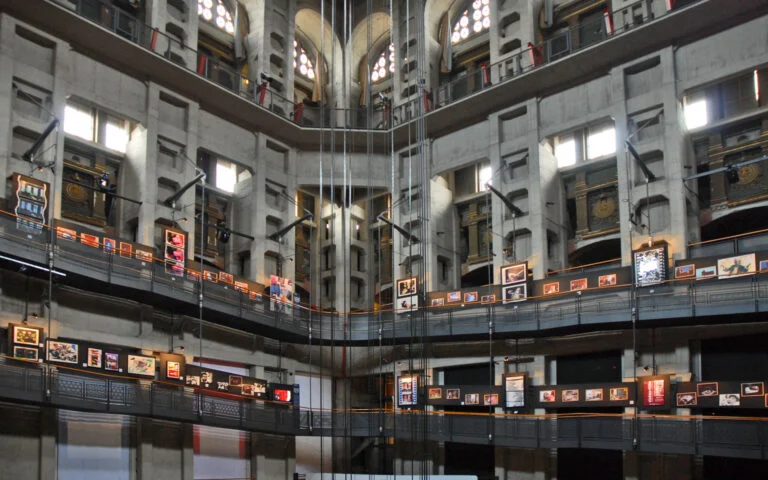
Upon arrival at Museo Piaggio, visitors are welcomed by a striking exterior that blends contemporary architectural elements with the industrial heritage of the original factory buildings. The location itself is a nod to Piaggio’s deep roots in Pontedera, providing an authentic context before one even steps inside. The entrance features clean lines and glass facades that invite light into the spacious reception area, setting an atmosphere of modernity intertwined with tradition. Outside, the atmosphere is subtly enhanced by the presence of classic Piaggio scooters, many restored and displayed in open-air spaces or near the entrance, hinting at the wealth of design and engineering on offer within. The museum’s layout is designed to facilitate a smooth flow of visitors, gently guiding them towards the various exhibition areas. Clear signage and an open, uncluttered approach allow guests to get oriented immediately, making the first impression both welcoming and informative.
Highlights and Key Exhibitions
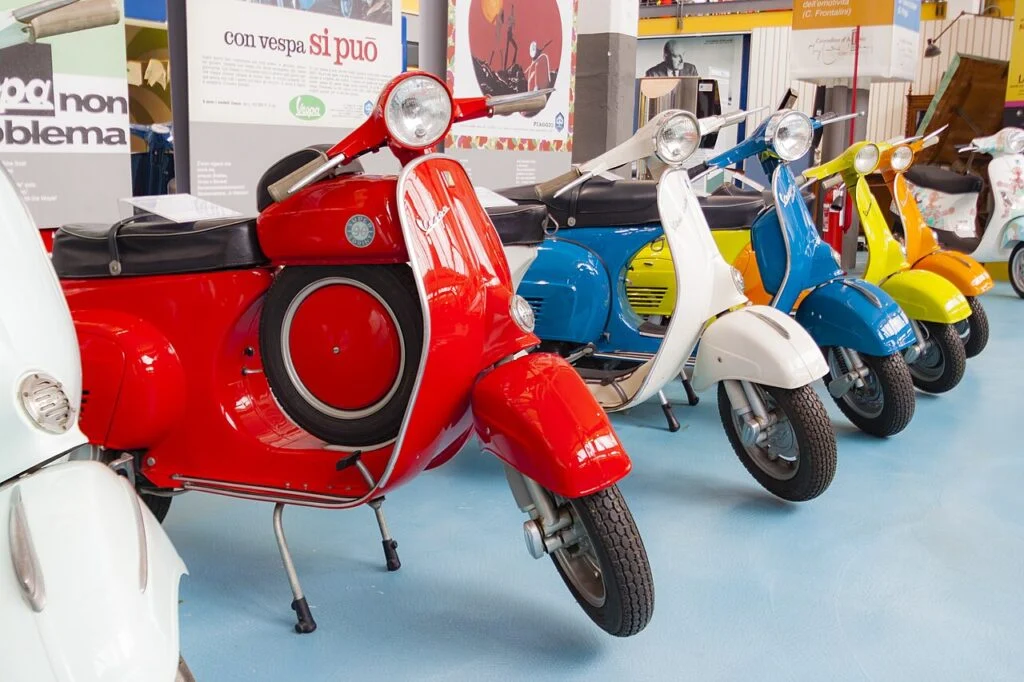
Museo Piaggio’s collection is extensive and diverse, ranging from early 20th-century aircraft engines to the world-famous Vespa scooters that have become cultural icons. One of the museum’s chief highlights is undoubtedly its comprehensive display of the Vespa’s evolution, showcasing the design changes and technological advancements through decades. From the original model introduced after World War II to contemporary adaptations, each exhibit tells a story of innovation and societal change. Another remarkable aspect of the museum is its collection of historic aircraft and maritime engines, reflecting Piaggio’s broader industrial footprint beyond scooters. The exhibitions are arranged chronologically and thematically, allowing visitors to trace the company’s growth and diversification. Special attention is given to design prototypes, advertising materials, and rare limited-edition vehicles that underline the brand’s commitment to creativity and engineering excellence. Interactive displays offer detailed explanations of the manufacturing processes, design challenges, and the cultural significance of the products. Those interested in design will appreciate the meticulous curation and the balance between technical detail and accessible narrative.
Visitor Experience
The visitor experience at Museo Piaggio is crafted to appeal to a broad audience. Audiovisual guides, written information panels, and interactive terminals are available in multiple languages, making the museum accessible to international travelers. The layout encourages exploration without overwhelming, and the blend of hands-on exhibits alongside preserved historical artifacts adds depth to the visit. The museum offers guided tours that provide extra context and personal insights, though these usually require advance booking. For younger visitors and families, there are tailored activities and educational workshops designed to engage and inspire curiosity about design and mobility. The lighting and exhibition design highlight the vehicles and engines effectively, creating visually compelling scenes that are also conducive to photography. On-site facilities include a café and a gift shop that stocks exclusive merchandise and literature on Piaggio’s legacy. While the museum is largely indoors, outdoor spaces and viewing areas nearby offer opportunities to appreciate some exhibits in natural light, enhancing the overall experience.
Tickets, Access, and Planning
Planning a visit to Museo Piaggio is straightforward, with tickets available online as well as at the entrance. General admission prices are reasonable, reflecting the museum’s commitment to accessibility. Families, students, and seniors benefit from discounted rates, and there are options for group bookings and special guided tours, which are advisable for those seeking a more comprehensive understanding. The museum is open most days, but it is recommended to check the official website prior to visiting for any changes in opening hours or special arrangements. Accessibility for visitors with reduced mobility is well-considered, including ramps, elevators, and adapted restrooms, ensuring that a broad spectrum of guests can navigate the premises comfortably. Public transportation options to Pontedera are convenient, and the museum provides ample parking facilities for those traveling by car. Dining options near the museum also complement the visit, making it possible to plan a full day around this cultural attraction.
Final Verdict
Museo Piaggio stands out as a thoughtfully curated institution that goes beyond the mere display of antique vehicles and engines to offer a rich narrative about industrial innovation and Italian design culture. Its strengths lie in its comprehensive coverage of Piaggio’s multifaceted history, effective use of multimedia, and the ability to cater to diverse visitor interests. While the museum excels in presenting the technological and aesthetic evolution of a beloved brand, it also subtly addresses broader themes such as social change and mobility’s role in modern life. It may not offer frequent temporary exhibitions, which some visitors might seek for freshness, but the permanent collection itself is substantial and satisfying. With its polished presentation, educational programming, and accessible pricing, Museo Piaggio is a valuable destination for enthusiasts of design, engineering, and Italian heritage alike. It offers a rewarding experience that balances depth and engagement, making it a must-see for those traveling through Tuscany or anyone interested in the enduring legacy of one of Italy’s most influential industrial names.