Museo del Ferrocarril de Madrid Review
The Museo del Ferrocarril de Madrid, located in the Arganzuela district of Spain’s capital, stands as an important institution.
The Museo del Ferrocarril de Madrid, located in the Arganzuela district of Spain’s capital, stands as an important institution.
Best forScience, technology, hands-on learning
Review focusRailway collections, locomotives, and visitor planning
Historical Context
The Museo del Ferrocarril de Madrid, located in the Arganzuela district of Spain’s capital, stands as an important institution dedicated to preserving the rich heritage of railway transportation. Established to commemorate the pivotal role that trains and rail infrastructure have played in Spain’s industrial growth and modernization, the museum offers insights into over 150 years of railroad history. The museum is housed within the former Delicias railway station, a historic landmark itself, emblematic of the 19th-century architectural style that accompanied the expansion of the rail network across the Iberian Peninsula. This melding of heritage and preservation symbolizes the transformation of Spain’s transport landscape from steam-driven locomotives to the modern, high-speed rail services. The museum provides an educational platform that not only celebrates technological advancements but also explores the socioeconomic impacts of railways on Spanish society, industry, and urban development over successive generations.
What You See on Arrival
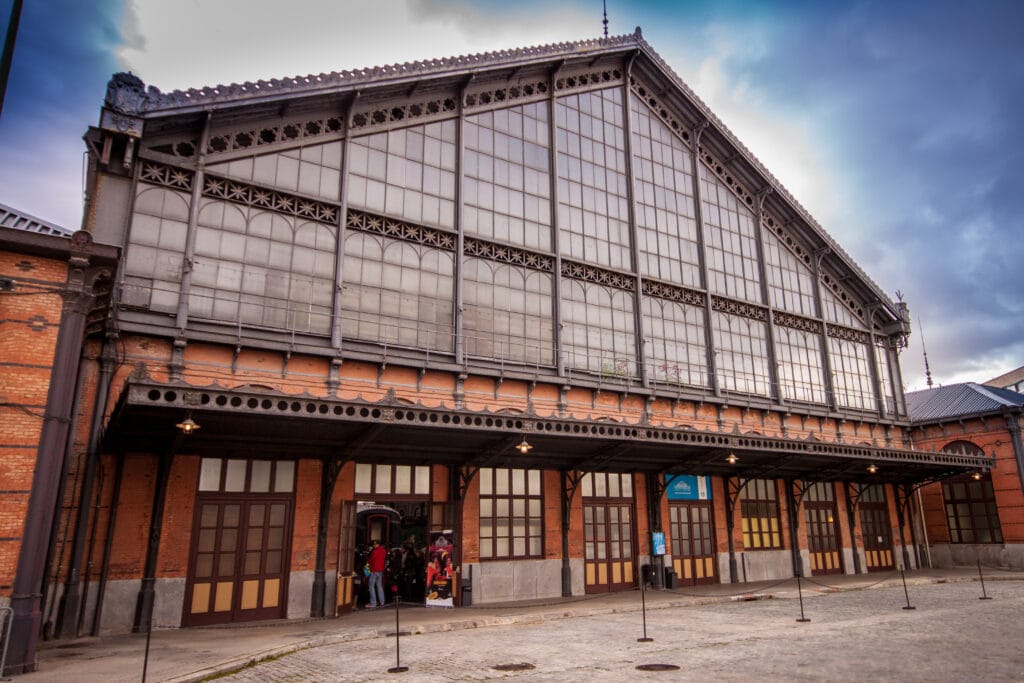
Approaching the Museo del Ferrocarril de Madrid, visitors are immediately greeted by the striking architectural presence of the Delicias station building. The classical façade, with its intricate brickwork and expansive arched windows, evokes the romantic grandeur of a bygone era when rail travel was both an engineering marvel and a symbol of progress. The station’s vast, covered platforms, now repurposed as exhibition spaces, create an atmospheric setting where historical artifacts and railway memorabilia are displayed. Upon entry, the scale and authenticity of the space invite exploration—tracks, signal posts, and even railway cars are set against the original infrastructure, enhancing the immersive quality that defines the museum experience. The large open-plan layout emphasizes the industrial spirit of the railways, while subtle touches of modern museum design ensure clear navigation and engagement with the exhibits.
Highlights and Key Exhibitions
The core of the Museo del Ferrocarril de Madrid’s appeal lies in its extensive collection of locomotives, carriages, and railway equipment that trace the evolution of rail technology. Visitors can expect to see an impressive array of steam, diesel, and electric locomotives, each carefully preserved and displayed in a manner that showcases both their engineering complexity and aesthetic qualities. Standout pieces include pioneering 19th-century engines that represent the infancy of rail travel in Spain and the sleek models that heralded the transition to modernity. Complementing these mechanical marvels are exhibits exploring the work of railway workers, the design of rail infrastructure, and the daily mechanics of train operation.
In addition to rolling stock, the museum features engaging displays of railway signaling apparatus, maintenance tools, and historical documents, photographs, and posters that contextualize the cultural importance of trains in Spanish life. The curated collections highlight not only technological achievements but also the social narratives—stories of innovation, labor, and the impact of railways on urban growth and regional connectivity.
Visitor Experience
The Museo del Ferrocarril de Madrid offers a visit that balances education with visual spectacle. The layout, anchored by the expansive former station space, facilitates a natural flow from one exhibit to another without feeling overcrowded. The interpretative materials, including bilingual signage in Spanish and English, enrich the experience without overwhelming, making the museum accessible to both railway enthusiasts and casual visitors. While the museum emphasizes heritage, it cleverly avoids static displays by allowing close interaction with many locomotives and carriages, accessible on footpaths adjacent to the embedded railway tracks.
Audio guides and occasional guided tours enhance understanding of technical aspects and historical context, adding additional layers of engagement. The ambiance created by the old station setting, punctuated by the presence of large-scale machinery and evocative archive materials, provides a compelling environment for reflection on the industrial past. Visitor amenities such as a modest cafeteria and a museum shop offering themed merchandise support a comfortable visit, though one should not expect extensive facilities typical of larger cultural institutions.
Tickets, Access, and Planning
The museum’s location in Arganzuela, a centrally located district of Madrid, ensures relatively straightforward access for residents and tourists alike. It is well served by public transport, with multiple bus routes and nearby metro stations facilitating convenient arrival without reliance on a private vehicle. Parking options may be more limited during busy periods, so public transit is advisable.
Admission fees are modest, reflecting the museum’s cultural and educational mission, with discounted rates available for seniors, students, and groups. Visitors planning to explore Madrid’s cultural offerings more broadly will find combined tickets or partnerships with other museums to be worth investigating. Opening hours are standard for museums of this nature, though checking seasonal variations or public holiday closures ahead of time is recommended. The official website provides accurate and up-to-date information, including details on special events and educational programming.
Final Verdict
The Museo del Ferrocarril de Madrid succeeds admirably in its role as a guardian of Spain’s railway heritage, providing a deeply engaging and well-curated experience within a historically resonant setting. Its conversion of Delicias station from a functioning transport hub into a cultural space is a testament to thoughtful preservation and imaginative museology. The museum will not only appeal to train aficionados but also to those interested in industrial history, design, and social transformation. While the experience may not incorporate the high-tech interactivity or multimedia immersion found in some contemporary institutions, its strength lies in authenticity and breadth of collection.
For visitors with a penchant for understanding how railways shaped modern Spain, this museum offers a substantial and satisfying overview. Practical considerations regarding access, visitor amenities, and ticket pricing further reinforce its reputation as a worthwhile stop within Madrid’s diverse museum landscape. Whether as a complement to a broader cultural itinerary or a focused exploration of railway history, the Museo del Ferrocarril de Madrid stands out as a distinguished emblem of industrial heritage in the Spanish capital.