Museo del Canal Interoceánico de Panamá
Panama City, Panama. The Museo del Canal Interoceánico de Panamá focuses on the extraordinary engineering and history behind the Panama Canal. This museum centers on one of the world’s largest and most complex waterways, spanning the transformation…
Best forMuseum lovers, culture travelers, first-time visitors
Setting / nearbyPanama City, Panama
Overview
The Museo del Canal Interoceánico de Panamá focuses on the extraordinary engineering and history behind the Panama Canal. This museum centers on one of the world’s largest and most complex waterways, spanning the transformation of the Panama region from dense jungle and scattered settlements into a global transit hub. It presents the canal not just as a physical structure but as a story involving geopolitics, technology, labor, and human endurance over more than a century. Through artifacts, documents, photographs, and models, the museum examines the motivations for building the canal, the challenges faced during its construction, and the ongoing role of the canal in world shipping and Panama’s own development.
Collection Highlights
The museum collects material that traces the canal’s history from early exploration ideas in the 16th century through the canal’s completion in the early 20th century and its later expansion. Visitors will find historic maps and plans that illustrate how engineers tackled the difficult terrain. Models and detailed photographs document the locks, dams, and excavation machinery that reshaped the landscape. The museum also preserves tools and equipment used by the workers who labored through deadly conditions, especially during the French effort and later the American construction phase. There are displays about the daily lives of these workers, including housing, medical care, and community structures. The collection covers the canal’s political history, from U.S. involvement and sovereignty disputes to the handover to Panama in 1999, including documents and images illustrating these transitions. Some exhibits address technological advances such as the recent expansion project that added new locks to accommodate larger vessels, reflecting the canal’s ongoing evolution. Overall, the collection provides a layered view combining engineering achievements with social and political storylines.
Building and Setting
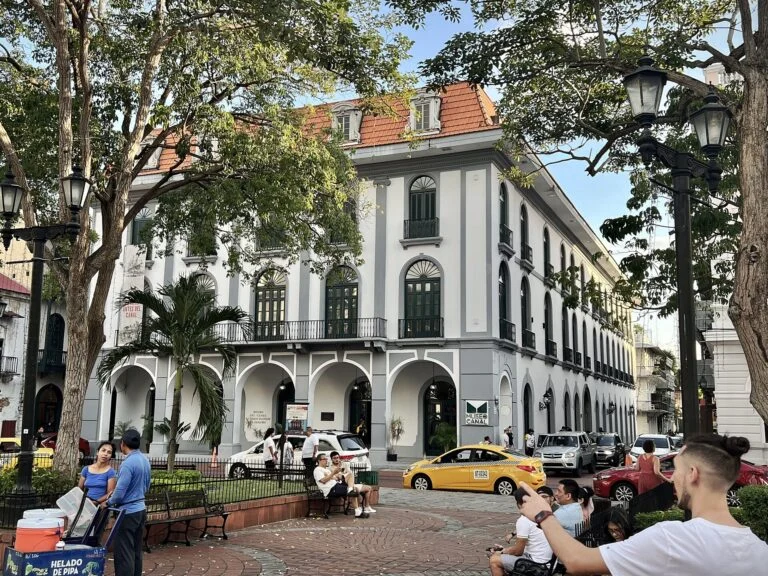
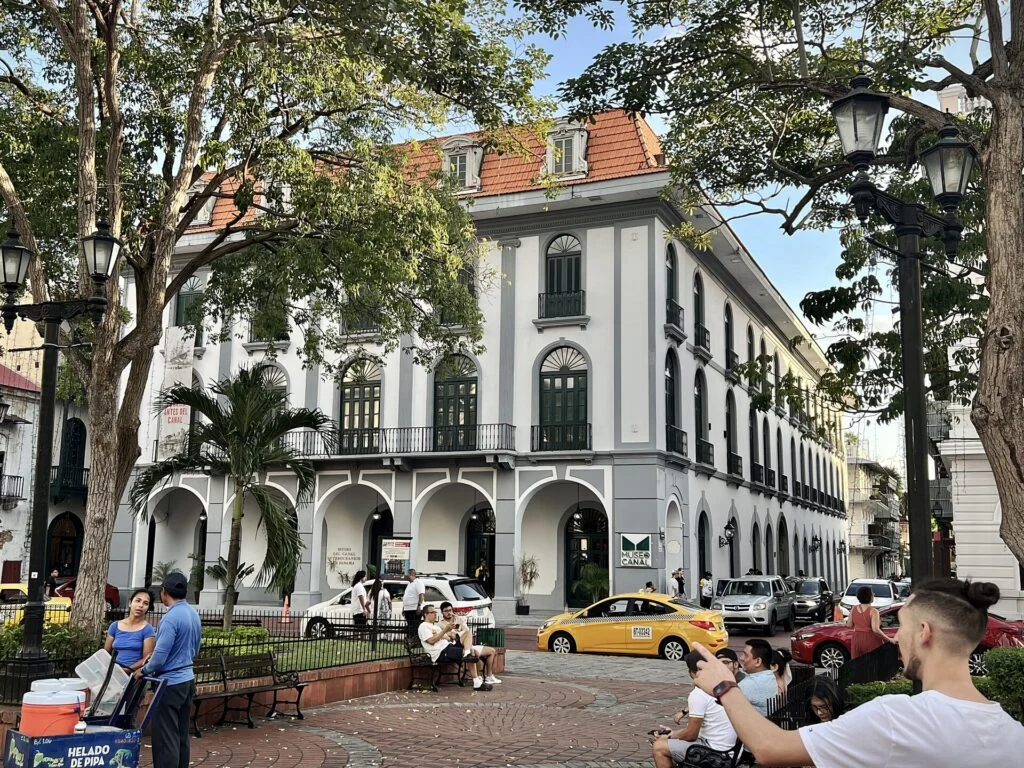
The Museo del Canal Interoceánico is housed in a building related to the canal’s history, though the exact original use or date is not described in the available information. The museum stands within Panama City, a dense urban center that contrasts with the canal’s massive scale and open waters. Its location connects visitors to the broader context of Panama’s urban and national identity shaped by the canal’s presence. The placement also helps show how the city grew around the canal over time. Beyond the building, the museum’s setting allows for consideration of how a waterway cutting across the Isthmus of Panama affects both oceanic trade and local economies. Even if the structure itself does not have grand architectural features known widely, its position within Panama City places visitors at a geographical crossroads between land and sea, past and present.
Practical Information
Specific practical information about opening hours, ticket prices, or guided services for the Museo del Canal Interoceánico de Panamá is not provided here. Visitors interested in current details should consult the museum’s official website or contact them directly before planning a visit. This will ensure accurate information regarding admission costs, any discounts, operating times, accessibility accommodations, and tour availability. Panama City is well connected by air and road, and the museum’s urban location makes it accessible through local transportation options. Checking local conditions and schedules in advance is recommended to avoid unexpected changes or closures.
Why Visit
This museum offers a concentrated exploration of a monumental human project tied closely to Panama’s national identity. For those interested in engineering, technology, or infrastructure, it provides concrete examples of the innovations and challenges involved in creating a canal that shortened global shipping routes. The museum also appeals to readers curious about labor history and the multinational workforce that made the canal possible under difficult conditions. The political documents and images on display offer insight into the shifting control and sovereignty issues that have shaped Panama’s modern borders and relations, which are less commonly featured in general histories of the canal. However, visitors looking for extensive contextual urban history or broader Panamanian culture might find the museum’s focus narrowly directed at canal matters. Its strong suit is the canal’s physical and administrative story rather than a wide-ranging exploration of the city or country. Still, for anyone drawn to one of the most significant feats of early 20th-century engineering and its layered legacies, the Museo del Canal Interoceánico de Panamá presents a detailed, factual account worth considering.