Museo Jumex Review
Art Museums · Mexico City, Mexico. Museo Jumex stands as a prominent institution within Mexico City’s vibrant contemporary art scene, reflecting the country’s growing influence in the global art world. Established in 2013 by the Fundación Jumex Arte Contemporáneo, the…
Art Museums · Mexico City, Mexico. Museo Jumex stands as a prominent institution within Mexico City’s vibrant contemporary art scene, reflecting the country’s growing influence in the global art world. Established in 2013 by the Fundación Jumex Arte Contemporáneo, the…
Best forMasterpieces, architecture, cultural history
Review focusCollection highlights, building, visitor flow
Historical Context
Museo Jumex stands as a prominent institution within Mexico City’s vibrant contemporary art scene, reflecting the country’s growing influence in the global art world. Established in 2013 by the Fundación Jumex Arte Contemporáneo, the museum was conceived to house the extensive private collection of Eugenio López Alonso, an influential Mexican collector whose vision has helped position Mexico as a significant node in contemporary artistic dialogues. Situated in Nuevo Polanco, a district undergoing rapid cultural and urban development, Museo Jumex complements the nearby Museo Soumaya, marking the area as a key cultural hub. The museum’s foundation is intertwined with Mexico’s evolving identity as a dynamic center for modern art and design, bridging Latin America’s rich artistic traditions with cutting-edge contemporary practices. It champions experimental and critical approaches to art, providing a platform for both established and emerging artists. The museum’s architectural design, collections, and programming reflect a commitment not only to art but also to intellectual inquiry and public engagement.
What You See on Arrival
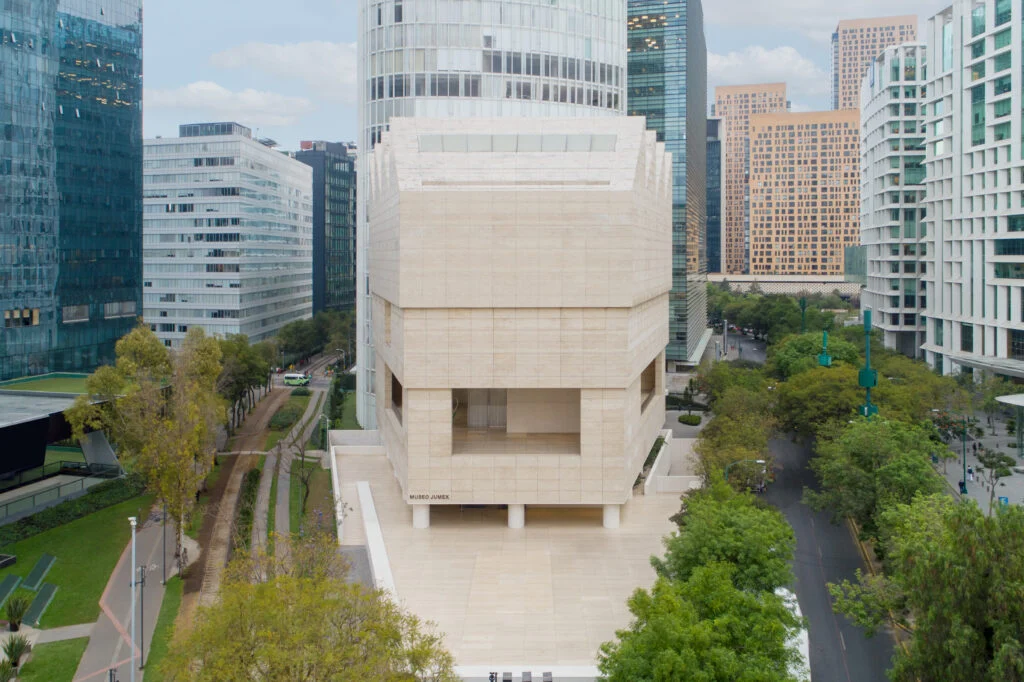
Approaching Museo Jumex, visitors are greeted by the museum’s striking architectural presence. The building’s modernist design, characterized by clean lines and an expansive façade clad in white, asserts a confident yet inviting aesthetic that integrates harmoniously with the surrounding urban landscape. The museum’s locus in the heart of Nuevo Polanco ensures accessibility while its minimalist exterior hints at a thoughtfully curated interior. The reception area offers a spacious and well-lit environment where natural and artificial light interplay, creating an atmosphere conducive to contemplation and appreciation of the artworks housed inside. The lobby features discreet signage and a contemporary design language consistent with the museum’s identity, setting the tone for the visitor experience. Adjacent spaces often include a shop with thoughtfully selected art publications and design objects, as well as a café that encourages lingering, making the museum not just a space for viewing art but a destination for cultural engagement.
Highlights and Key Exhibitions
Museo Jumex’s collection is a testament to contemporary art’s diversity and dynamism, boasting works from internationally recognized artists who span various forms, media, and conceptual frameworks. The permanent collection showcases key works that explore themes including identity, globalization, and the interplay between tradition and modernity. Sculptures, installations, paintings, and video works reflect a robust engagement with current socio-political issues, as well as abstract and formalist concerns. Notably, the museum places a strong emphasis on dialogue between global art movements and Latin American artistic production, highlighting the contributions of regional artists in an international context. The curatorial approach is marked by an openness to experimentation, which is evident in the thoughtful pairing and sequencing of works within the galleries. While temporary exhibitions are a core part of the museum’s programming, emphasizing innovation and thematic investigation, the institution’s permanent installations remain a vital draw, providing visitors with ongoing access to seminal contemporary works that define the collection’s aesthetic and intellectual thrust.
Visitor Experience
Museo Jumex offers a visitor experience that balances accessibility with depth. The museum’s layout promotes fluid navigation, allowing guests to engage with the artworks in a logical sequence that supports thematic understanding and visual coherence. Informative wall texts and catalogues provide essential context without overwhelming the viewer, encouraging both novice enthusiasts and seasoned art lovers to form personal connections with the works. The lighting design is carefully considered, enhancing the textures, colors, and forms of the exhibitions while protecting delicate pieces. Staff members are generally knowledgeable and approachable, contributing to a welcoming environment. Interactive elements and multimedia components, when present, enrich the visit by offering additional layers of meaning and engagement. The museum’s auxiliary spaces, including the library and educational areas, extend the visitor experience beyond the galleries, offering resources for research and contemplation. Overall, the institution manages to present contemporary art in a manner that is intellectually stimulating yet approachable, fostering a sustained interest in new artistic expressions.
Tickets, Access, and Planning
Planning a visit to Museo Jumex is straightforward, with detailed information available through official channels. Tickets are reasonably priced, reflecting the museum’s commitment to accessibility and cultural outreach. Discounts and free admission options are available for students, seniors, and certain community groups, aligning with the institution’s inclusive ethos. The museum’s location in Nuevo Polanco is well-served by public transportation, including metro and bus lines, making it accessible to both local residents and international visitors. Ample signage guides visitors from transit points to the museum entrance, complementing clear navigation within the premises. Facilities are designed with inclusivity in mind, offering accessibility features for individuals with disabilities, including ramps, elevators, and adapted restrooms. The museum operates within standard opening hours conducive to both daytime and early evening visits, and visitors are encouraged to check the official website for any schedule changes or special event timings. Ancillary services such as guided tours, audio guides, and educational workshops enhance the overall planning process, offering diverse ways to engage with the collection and exhibitions.
Final Verdict
Museo Jumex is a compelling addition to Mexico City’s cultural landscape, embodying the progressive spirit of contemporary art in Latin America. Its architectural presence, thoughtful collection, and forward-looking exhibitions position the museum as a vital forum for artistic discourse and public exchange. While it may predominantly attract visitors already attuned to contemporary art, the institution’s educational initiatives and accessible presentation make it an enriching destination for a broad audience. The museum’s strengths lie in its ability to balance local and global perspectives, fostering connections across artistic communities and disciplines. However, those seeking traditional or historical art might find the focus largely oriented toward the present and future, which aligns with but also limits the museum’s curatorial scope. Practical considerations, such as well-managed visitor services and strategic location, further enhance Museo Jumex’s appeal. In summation, it is a must-visit for those interested in the evolving narratives of contemporary art and Mexico’s role within them, offering a thoughtfully curated and engaging experience in the heart of one of the world’s great cities.