Museo Anahuacalli
Mexico City, Mexico. Museo Anahuacalli is an art and cultural museum located in Mexico City, dedicated primarily to the life and work of Diego Rivera, one of the most influential Mexican artists of the 20th century. This…
Best forMuseum lovers, culture travelers, first-time visitors
Setting / nearbyMexico City, Mexico
Overview
Museo Anahuacalli is an art and cultural museum located in Mexico City, dedicated primarily to the life and work of Diego Rivera, one of the most influential Mexican artists of the 20th century. This museum stands out for its unique integration of architecture and collection, designed by Rivera himself to house his extensive assemblage of pre-Hispanic artifacts and to provide a focused context for his artistic vision. Situated in the southern part of Mexico City, Museo Anahuacalli is not a conventional art gallery but rather a specialized institution that merges art, archaeology, and cultural history through a lens inspired by Rivera’s admiration for indigenous Mexican heritage.
The museum occupies a distinct place among Mexico City’s many cultural venues. It serves both as a repository for Rivera’s personal collection of pre-Columbian objects and as a space for exhibiting murals and artworks relating to Mexico’s past and Rivera’s interpretation of it. Unlike large national museums, Anahuacalli offers an experience closely tied to one individual’s passion for Mexico’s indigenous civilizations and their artistic traditions. It can appeal to visitors interested in Mexican art history, indigenous cultures, or the intertwining of art with archeological materials.
Collection Highlights
Diego Rivera collected thousands of pre-Hispanic objects during his life, and Museo Anahuacalli holds these artifacts as its core collection. The assemblage includes stone sculptures, ceramics, masks, and ritual objects from various regions and cultures across ancient Mexico. While the exact provenance of individual items is often difficult to establish, the collection is significant for its variety and for representing multiple Mesoamerican traditions, including Aztec, Maya, and other peoples. These objects primarily highlight religious symbolism and everyday life in their original contexts, offering insight into the rich diversity of pre-Columbian material culture.
The museum also displays artworks by Rivera that complement these ancient pieces. Students of Rivera’s work will find the site valuable as it reflects the artist’s effort to situate his murals and paintings within a narrative linked to Mexican cultural identity and history. The collection does not seek to cover all aspects of pre-Hispanic art comprehensively, but instead emphasizes pieces that fed Rivera’s creative imagination and ideological commitments.
There are thematic arrangements throughout the space where visitors can see objects grouped by cultural tradition or by the particular functions the artifacts held. The way these items are presented reflects Rivera’s original vision for showcasing the deep connection he perceived between Mexico’s indigenous past and its modern artistic expression. This fusion creates a distinctly personalized museum experience, differing from more academically framed archeological museums.
Building and Setting
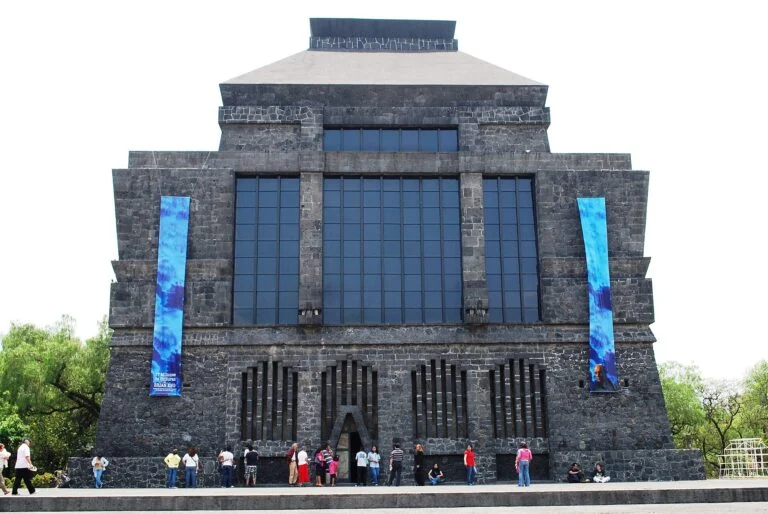
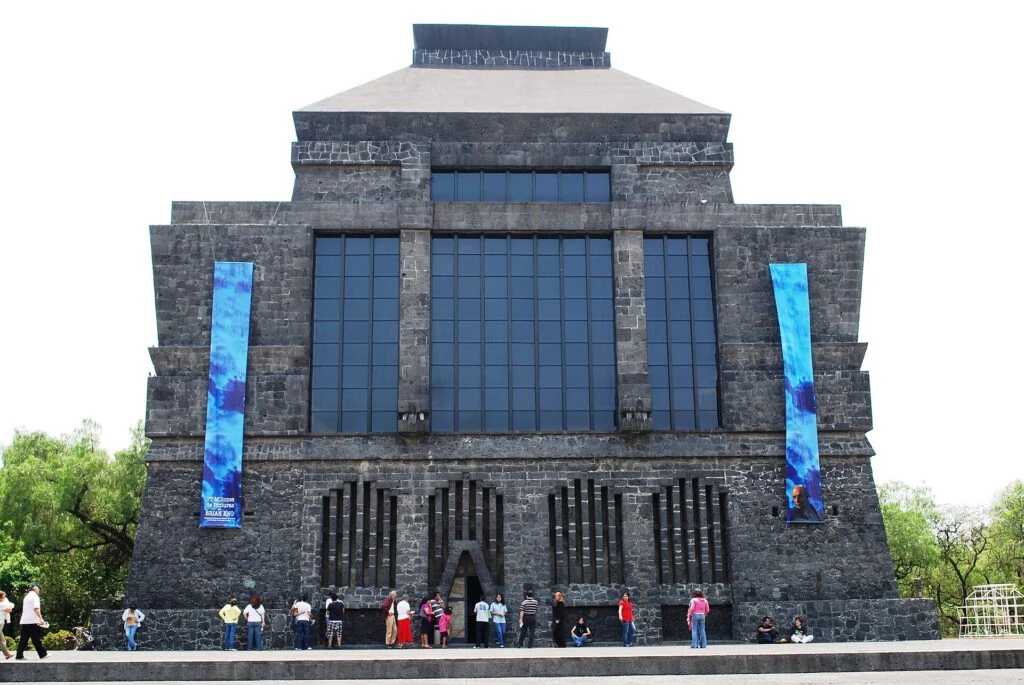
The museum’s architecture is a noteworthy aspect, constructed with volcanic stone and designed by Diego Rivera in collaboration with architect Juan O’Gorman. It was intended to evoke the form of a pre-Hispanic temple or pyramid, using a stepped structure and rough-hewn materials that connect visually and materially to the ancient items housed inside. This approach results in a building that itself feels like an artifact and a piece of art. Unlike classical museum buildings that prioritize modern display methods, Museo Anahuacalli aims for an immersive environment shaped by Rivera’s aesthetic and cultural values.
Museo Anahuacalli is located in a more residential and less tourist-heavy area of Mexico City, which lends the visit a quieter atmosphere compared to museums in the historic center. The garden surrounding the museum also plays a role in the overall experience, featuring sculptures and spaces designed to extend the themes of the collections into an outdoor setting. The museum’s location means it is less likely to feel crowded or hurried, though this can vary depending on the time of the year or weekends.
The spatial organization within the museum is tight and intentional. While not large by conventional museum standards, the building’s layout encourages a relatively slow, contemplative visit. Visitors move through interconnected rooms that allow for viewing artifacts in relation to Rivera’s murals, creating a dialogue between past and present.
Practical Information
Those considering a visit should consult the official Museo Anahuacalli website or contact the museum directly for the latest information on hours of operation, ticketing, guided tours, and accessibility options. Given the museum’s specialized nature and location outside the main city center, checking transportation routes beforehand is advisable. Although the museum is not exceedingly large, visitors should allow enough time to absorb the artifacts and architectural setting fully.
The museum’s focus on pre-Columbian objects tied directly to Diego Rivera’s exhibits means it may not suit visitors looking for a broad overview of Mexican archaeology or modern art unrelated to Rivera. Similarly, those expecting a high-tech or multimedia experience might find the presentation traditional and sober, centered on direct engagement with the objects and space rather than digital interpretation.
Visitors from outside Mexico may want to consider whether they have familiarity with Diego Rivera’s work or pre-Hispanic Mexican history to appreciate the museum fully. Some basic knowledge enhances the experience but is not mandatory, as the museum provides contextual information on the collections.
Why Visit
Museo Anahuacalli invites visitors to explore a specific fusion of art, history, and cultural identity rooted in one artist’s vision. It offers a chance to see a significant collection of pre-Hispanic objects not purely as archeological specimens but as sources of inspiration and cultural pride for Rivera, who sought to link Mexico’s ancient past with its modern national identity.
The combined function of Museo Anahuacalli as a museum, architectural statement, and memorial to Diego Rivera’s artistic mission gives it a unique standing among Mexico City’s cultural institutions. For those interested in Mexican art history, it presents an opportunity to see the intimate relationship between Rivera’s collection practices, his artworks, and his cultural ideals in a single location designed to embody those ideas physically.
At the same time, the museum works best for patient visitors comfortable with reflective experiences rather than fast-paced sightseeing. Its somewhat niche focus may limit its appeal to those seeking broader archeological or modern art contexts. However, for those willing to engage with the space as a coherent expression of cultural reverence and artistic legacy, Museo Anahuacalli can offer meaningful insight and a different approach to understanding Mexico’s artistic and historical heritage.
In sum, Museo Anahuacalli is a specialized museum for viewers who appreciate the intertwining of a personal art collection with Mexico’s indigenous heritage, housed in a building that itself reflects that connection. It may not replace larger archeological or art museums in the city but holds value as a distinct and thoughtfully arranged presentation born out of one of Mexico’s most notable artists’ lifelong passions. Visitors should plan their trips with realistic expectations about size, focus, and interpretive style, and check current details through official channels prior to visiting.