Musée Hergé Review
Art Museums · Louvain-la-Neuve, Belgium. The Musée Hergé, nestled in the Belgian city of Louvain-la-Neuve, stands as a dedicated homage to the life and work of Georges Remi, better known by his pen name, Hergé. As the creator of…
Art Museums · Louvain-la-Neuve, Belgium. The Musée Hergé, nestled in the Belgian city of Louvain-la-Neuve, stands as a dedicated homage to the life and work of Georges Remi, better known by his pen name, Hergé. As the creator of…
Best forScience, technology, hands-on learning
Review focusCollections, curatorial focus, and visitor planning
Historical Context
The Musée Hergé, nestled in the Belgian city of Louvain-la-Neuve, stands as a dedicated homage to the life and work of Georges Remi, better known by his pen name, Hergé. As the creator of the globally beloved comic series "The Adventures of Tintin," Hergé’s influence on the art of cartooning and storytelling is undeniable. Belgium itself has a rich comics tradition, often referred to as the birthplace of bandes dessinées, and the museum’s location reflects a fitting cultural backdrop to celebrate one of the country’s most iconic figures. Established in 2009, the museum was designed to present not only Hergé’s famous characters but also his creative process, working methods, and the broader impact of his oeuvre on popular culture. Positioned within the context of 20th-century European art and graphic novels, the museum offers insights that extend beyond Tintin, exploring Hergé’s evolving style, narrative sophistication, and the historical moments that shaped his work.
What You See on Arrival
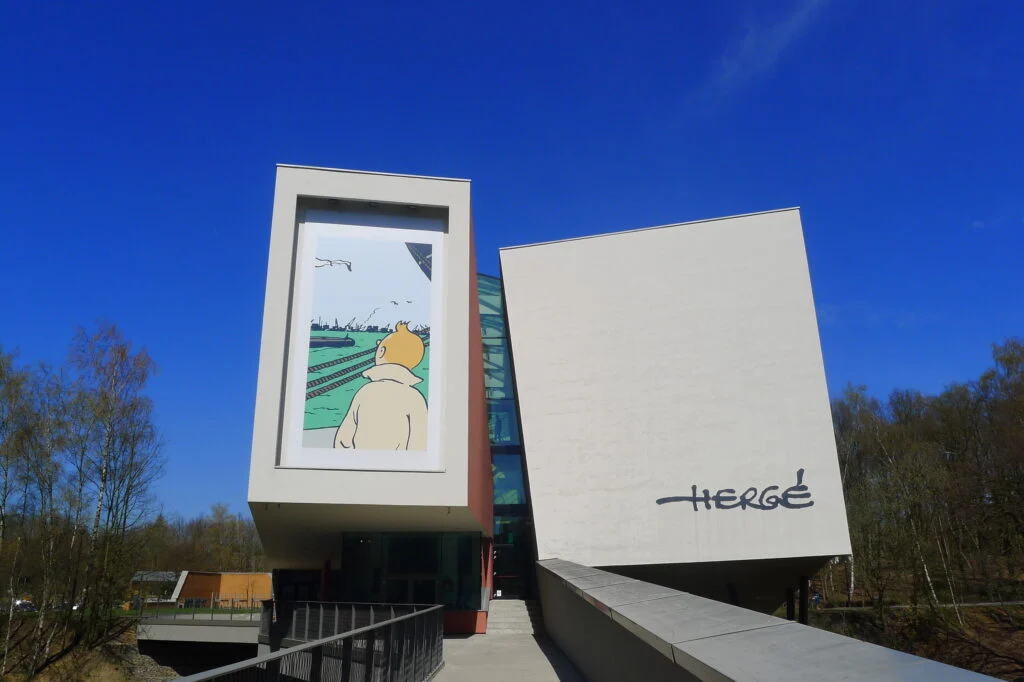
Approaching the Musée Hergé, visitors encounter an architecturally distinctive structure that manages to be visually striking yet sensitive to its surroundings. The design is thoughtful, combining clean lines and a modern aesthetic that reflects the dynamic essence of Hergé’s art while inviting curiosity. The exterior features subtle nods to the comic world, with murals or sculptural elements inspired by Tintin characters, providing an immediate visual connection to the museum’s subject matter. Upon entering, the environment shifts to a calm, contemplative space designed to immerse guests gradually into the narrative of Hergé’s life and works. The lobby area is often organized to accommodate ticketing and orientation, including informative signage that outlines the museum layout. This initial encounter primes visitors for a journey through graphic history, with a clear path leading towards the main exhibition halls and galleries.
Highlights and Key Exhibitions
Central to the museum’s appeal is its comprehensive presentation of Hergé’s career trajectory—tracing his early artistic endeavors to the refinement of his ligne claire (clear line) technique that defined Tintin’s visual style. Visitors can expect an extensive array of original illustrations, sketches, and manuscripts that reveal the creative labor behind the polished final pages of Tintin albums. These artifacts not only demonstrate Hergé’s meticulous attention to detail but also illustrate the evolution of his storytelling craftsmanship across decades. Equally compelling are the sections dedicated to the social and political contexts within which the Tintin stories were conceived, including Hergé’s engagement with contemporary events and his occasional controversies. The museum does not shy away from exploring these complexities, offering nuanced interpretations that enrich understanding beyond mere fandom. Additional highlights include displays focusing on Hergé’s influences, such as his admiration for cinema and visual culture, and interactive elements that encourage visitor participation through multimedia presentations. A particularly notable part of the museum is the recreation of Hergé’s studio, meticulously reconstructed to provide an intimate glimpse into his working environment and creative rituals.
Visitor Experience
The museum’s layout is thoughtfully curated to encourage a narrative flow conducive to both casual enjoyment and deeper study. Clear signage and multilingual descriptions help accommodate a diverse international audience, while interactive features cater to visitors of different ages and interests. The lighting and display cases enhance readability and protect the delicate artworks, creating an optimal viewing experience. Although the museum is well-equipped technologically, it balances modernity with respect for the traditional medium of hand-drawn comics. Staff members, according to reports, maintain a professional and welcoming demeanor, providing assistance and enriching visitors’ understanding when requested. The facility includes a gift shop offering a wide range of related merchandise, from books to collectible items, extending the museum experience beyond the galleries. A café or dining option on site can offer a convenient opportunity for rest and reflection, contributing to a holistic day out. The museum’s overall ambiance encourages lingering and exploration without feeling overwhelming or crowded, making it suitable for families, scholars, and Tintin enthusiasts alike.
Tickets, Access, and Planning
Planning a visit to the Musée Hergé requires consideration of a few practical details to ensure a smooth experience. The museum’s location in Louvain-la-Neuve, a planned university town, places it within easy reach of Brussels and other parts of Belgium through public transport and driving routes. Ample parking is generally available for those arriving by car. Ticket pricing is tiered to reflect different visitor categories such as adults, seniors, youth, and groups, with special rates occasionally offered for students and cultural professionals. Online booking options provide convenience and can help avoid queues, especially during peak tourist seasons. Opening hours typically accommodate weekday and weekend visitors, although potential closures on holidays or for maintenance should be checked in advance via the official website. Accessibility is a strong point, with facilities designed to welcome visitors with reduced mobility, including ramps, elevators, and adapted restrooms. Audio guides or app-based supplementary materials may be available to deepen engagement, although their availability and languages supported can vary, so confirming ahead of time is advisable.
Final Verdict
The Musée Hergé offers a rich, engaging experience that transcends a simple celebration of a beloved comic book creator. It presents a thoughtfully balanced portrait of an artist whose work captured imaginations worldwide while also reflecting the complexities of his times and personal journey. By combining original artwork, historical context, and innovative display techniques, the museum establishes itself as both a cultural landmark and an educational resource. While the focus on Tintin is understandably dominant, the museum’s broader exploration of Hergé’s artistic process and impact on graphic storytelling ensures it appeals beyond the fandom. The careful attention to visitor comfort, clarity of information, and accessibility further enhance its appeal. For those interested in the history of comics, European art history, or simply looking to explore a unique cultural attraction in Belgium, the Musée Hergé is a worthy addition to any itinerary. It neither overloads nor underwhelms, striking a harmonious balance that invites repeat visits and sustained appreciation.