Mori Art Museum Review
Art Museums · Tokyo, Japan. Situated within the vibrant urban landscape of Tokyo, the Mori Art Museum stands as a significant cultural beacon in Japan’s contemporary art scene. Established in 2003, the museum was founded by the Mori Building…
Art Museums · Tokyo, Japan. Situated within the vibrant urban landscape of Tokyo, the Mori Art Museum stands as a significant cultural beacon in Japan’s contemporary art scene. Established in 2003, the museum was founded by the Mori Building…
Best forMasterpieces, architecture, cultural history
Review focusCollection highlights, building, visitor flow
Historical Context
Situated within the vibrant urban landscape of Tokyo, the Mori Art Museum stands as a significant cultural beacon in Japan’s contemporary art scene. Established in 2003, the museum was founded by the Mori Building Company, reflecting a growing trend in urban environments where corporate patronage plays a pivotal role in the nourishment of the arts. Its origins are deeply intertwined with the redevelopment of the Roppongi Hills area, a testament to Tokyo’s blend of cutting-edge architecture and creative expression. The institution was conceived as a platform for contemporary art, with a focus on both Japanese and international artists who challenge and redefine the scope of artistic practices in the 21st century. Over the years, the Mori Art Museum has garnered an international reputation for its dynamic exhibitions and ambitious programming, fostering cultural dialogue and showcasing a wide array of media and artistic voices. This museum’s mission underscores innovation, contemporary relevance, and a commitment to the exploration of art in a globalized cultural milieu.
What You See on Arrival
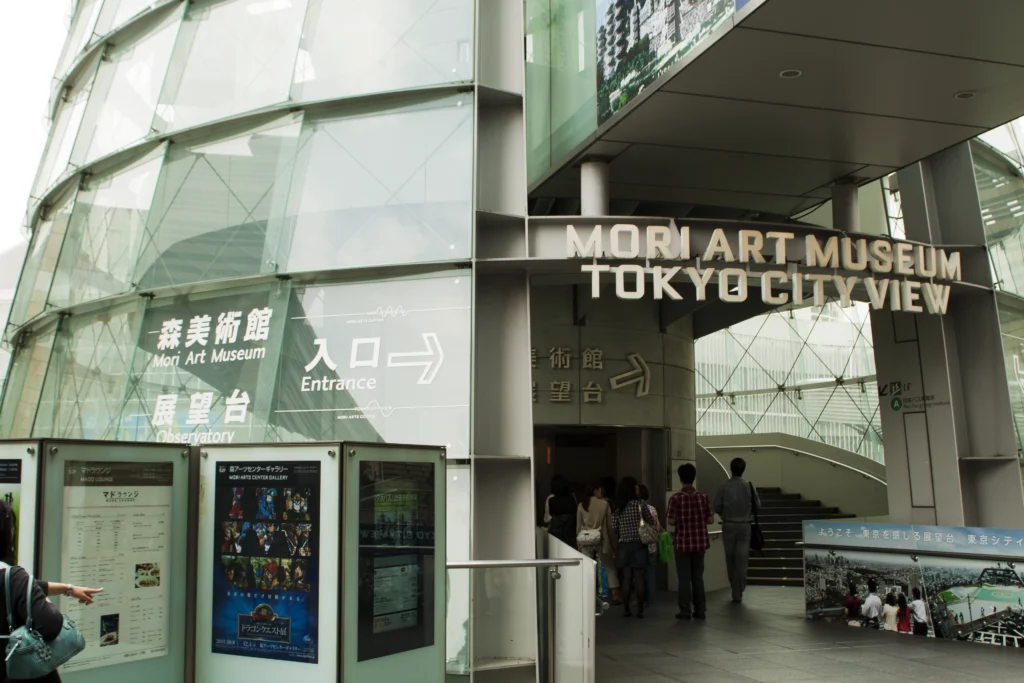
Approaching the Mori Art Museum, visitors are first drawn by the impressive setting within Roppongi Hills, one of Tokyo’s most celebrated urban complexes. The museum itself is perched near the top of the Mori Tower, an architectural landmark that houses offices, shops, and observation decks offering panoramic city views. The building’s sleek, modern design mirrors the museum’s ethos—a fusion of accessibility and avant-garde artistry. The entrance area is characterized by a clean, minimalist aesthetic with clear signage guiding visitors efficiently. Elevators and escalators facilitate swift movement to the museum’s main galleries on the upper floors, emphasizing convenience without detracting from the anticipatory atmosphere. The lobby features a minimalist reception and ticket counter, artfully understated to maintain focus on the forthcoming exhibitions. Nearby, the rooftop observation deck offers breathtaking vistas over Tokyo, setting an inspiring tone for the visit before stepping into the contemporary art spaces.
Highlights and Key Exhibitions
The Mori Art Museum is devoted to contemporary art, with a multi-disciplinary approach that encompasses painting, sculpture, installation, video art, photography, and new media. One hallmark of the museum’s exhibition program is its dedication to presenting both emerging and established artists, often contextualizing their work within broader social and cultural narratives. The museum tends to feature dynamic thematic exhibitions that explore current global issues such as identity, urbanization, technology, and environmental concerns—offering visitors intellectually stimulating experiences rather than conventional art historical retrospectives.
Permanent displays typically emphasize Japanese contemporary art alongside significant international contributions, reflecting the museum’s dual commitment to local engagement and global dialogue. Visitors can expect thoughtfully curated exhibitions where disparate media converge, often with site-specific installations tailored to the unique spatial qualities of the museum’s galleries. The museum’s commitment to innovation means that exhibitions often include experimental works that challenge traditional definitions of art, encouraging fresh perspectives and active engagement.
Visitor Experience
The Mori Art Museum is widely praised for its visitor-centric approach, balancing high-level artistry with considerations of accessibility and comfort. Galleries are spacious and well-lit, enabling unobstructed views of complex installations, and the layout facilitates a logical flow from one exhibition space to another, enhancing narrative coherence. Interpretive materials such as wall texts are typically available in both Japanese and English, reflecting the museum’s international audience. Audio guides and digital resources have become a part of the visitor experience, providing deeper insights without overwhelming the core visual encounters.
Amenities include a well-curated museum shop offering catalogues, art books, and designer goods related to the exhibitions. Additionally, there is often a café or restaurant space within the premises, making the visit more seamless and inviting longer stays. Staff are generally attentive and knowledgeable, contributing to an atmosphere of welcoming professionalism. While the museum does focus on contemporary art aficionados, the varied nature of exhibitions ensures a broad appeal, from casual visitors intrigued by modern creativity to specialists seeking new artistic developments.
Tickets, Access, and Planning
The Mori Art Museum’s location in the heart of Tokyo’s Roppongi district makes it highly accessible via public transportation, with several subway lines stopping within close walking distance. The museum’s hours and ticketing policies are clearly outlined on its official website, with admission prices structured to encourage repeat visits and accommodate different visitor categories, including students and seniors. Occasionally, the museum offers special discounts or free entry on specific dates, which is worth checking in advance when planning a visit.
Advance purchase of tickets is recommended, especially during peak tourist seasons or for popular exhibitions, to avoid long queues. The museum also offers combination tickets that include access to the observation deck and other Roppongi Hills attractions, providing good value and a comprehensive cultural outing. Facilities for persons with disabilities are well-considered, including elevator access, wheelchair availability, and accessible restrooms, further enhancing the museum’s inclusivity.
Final Verdict
The Mori Art Museum stands out as a vibrant institution dedicated to the exploration of contemporary art within a dynamic urban setting. Its thoughtful programming, which foregrounds artistic innovation and cultural dialogue, makes it a vital destination for anyone interested in the cutting edge of global artistic practices. The museum’s integration with the Roppongi Hills complex adds a unique dimension, offering not just art but breathtaking views and a high-quality visitor experience, ensuring a holistic and engaging outing.
While the focus on contemporary and often experimental art might challenge traditional museum-goers, it is precisely this bold curatorial stance that gives the Mori Art Museum its distinctive character and appeal. Its carefully considered accessibility, informative resources, and friendly atmosphere further elevate it beyond a mere exhibition space to a hub of cultural engagement. For visitors to Tokyo with an interest in the current pulse of the art world, the Mori Art Museum is unquestionably worth exploration, promising provocative and enriching encounters with some of the most compelling artistic voices of today.