Mauthausen Memorial Review
Memorial Site · Mauthausen, Austria Topography and Forced Labor as a Mechanism of Terror The Landscape as Evidence Mauthausen is defined by stone and.
Memorial Site · Mauthausen, Austria Topography and Forced Labor as a Mechanism of Terror The Landscape as Evidence Mauthausen is defined by stone and.
Best forMemory, history, reflective visits
Review focusHistorical context, interpretation, atmosphere
Historical Context
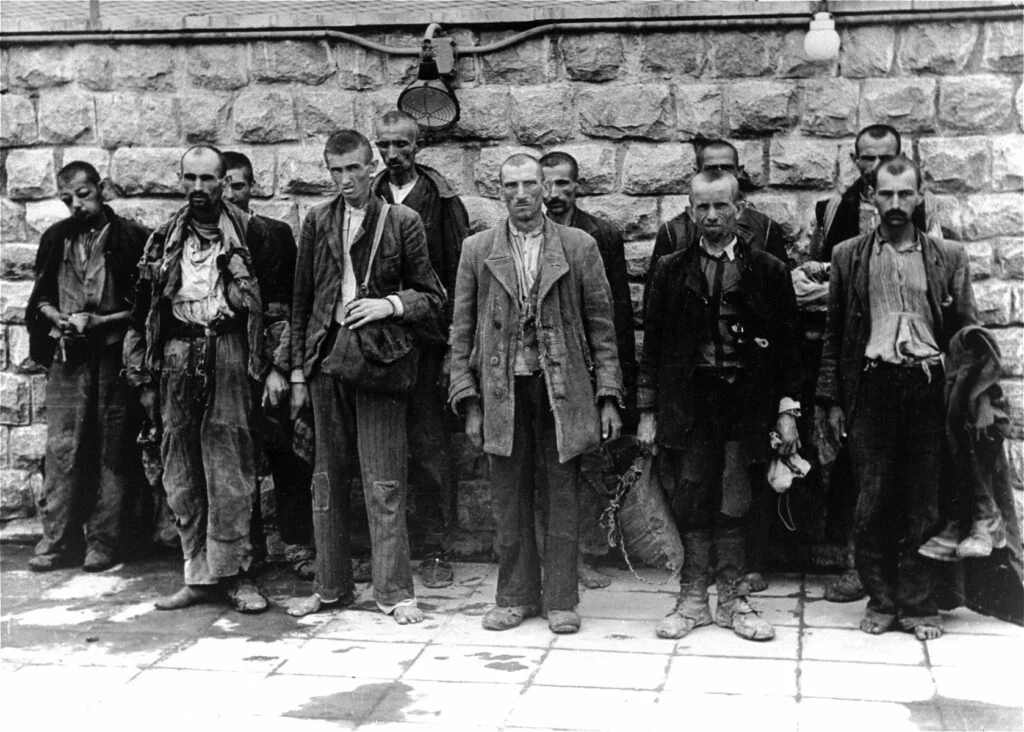
The Mauthausen Memorial in Austria stands on the grounds of one of the most notorious concentration camp complexes established by Nazi Germany during the Second World War. Founded in 1938, shortly after Austria’s annexation, Mauthausen became the center of a vast network of subcamps across the region. Prisoners of various nationalities were held in brutal conditions, with tens of thousands perishing due to forced labor, executions, starvation, and disease. Central to its grim history was the nearby granite quarry, infamous for the inhumane labor imposed on detainees, who were forced to carry heavy stones under perilously harsh conditions. Following the war, the Austrian government preserved the site as a memorial, officially opening it to the public in 1949. Survivors played a significant role in shaping the memorial’s development, contributing to the installation of numerous monuments dedicated to victims from different countries. Today, the memorial comprises original camp structures alongside these international commemorations, serving as a poignant reminder of the atrocities committed.
What You See on Arrival
Upon arrival, visitors are immediately confronted with the stark and somber landscape that defines Mauthausen. The terrain—dominated by stone walls, watchtowers, courtyards, and the ominous quarry slope—is integral to understanding the camp’s function and the suffering endured. The preserved buildings and perimeter walls convey a strong sense of control and isolation, making the experience vividly tangible. Unlike traditional museums, Mauthausen’s strength lies in the authenticity of its environment; the physical setting itself acts as evidence of the punitive relationship between prisoners and forced labor. The proximity of everyday camp structures to locations of extreme violence is striking and sets a tone of quiet reflection. The site’s layout naturally guides visitors through sequences from entry and orientation toward the quarry, before returning through preserved buildings and exhibition spaces.
Highlights and Key Exhibitions
Mauthausen Memorial is not structured as a conventional museum but rather as an open historical site supplemented by carefully chosen exhibitions. Several buildings house displays that integrate photographs, official documents, and personal testimonies, providing insight into the camp system’s operation and the harsh realities of prisoner life. The exhibitions are thoughtfully restrained, anchored closely to archival evidence and survivor accounts, avoiding sensationalism to maintain the dignity of the site. National memorials scattered throughout the camp add a multi-dimensional perspective by honoring victims from diverse countries, reminding visitors of the pan-European scope of deportation and persecution. This blending of original camp architecture, landscape, and curated exhibitions enriches the understanding of Mauthausen’s role within the larger Nazi camp system and the profound human cost involved.
Visitor Experience
A visit to the Mauthausen Memorial is distinct from typical museum excursions, as it demands time and contemplative engagement with an expansive outdoor environment. The preserved structures and grounds allow visitors to grasp the scale and layout of the camp with directness rarely matched by textual accounts alone. Walking through the courtyards, alongside stone walls and watchtowers, and observing the quarry slope, visitors encounter an immersive reminder of systematic oppression. The exhibitions within the buildings offer context and deepen understanding while maintaining a respectful tone free from dramatization. The site calls for quiet reflection, and visitors are expected to uphold a solemn atmosphere appropriate for remembrance. The presence of monuments donated by numerous countries enhances the symbolic resonance of the site, combining the tangible remnants of history with international memory and tribute. Most visitors find that several hours are needed to fully engage with both the physical environment and the interpretive materials, making the visit a serious, often emotionally challenging experience, but one of the most historically significant in Austria.
Tickets, Access, and Planning
Visitors considering a trip to the Mauthausen Memorial should note that details such as ticket prices, opening hours, and special exhibitions may vary and should be verified on the official website or through direct inquiry before visiting. The memorial is accessible to the public and invites individuals and groups interested in Holocaust history and remembrance. Given the scale of the site and the reflective nature of the visit, allowing sufficient time to explore both the outdoor areas and the indoor exhibitions is advisable. Planning ahead will ensure that visitors can absorb the full impact of the memorial without feeling rushed. Additionally, those interested in educational programs or guided tours may wish to inquire about availability in advance, as these can enrich understanding of the site’s historical and contemporary significance.
Final Verdict
Mauthausen Memorial remains one of Europe’s most crucial sites for understanding the intersection of forced labor and systematic persecution within the Nazi camp system. Its profound strength lies in the alignment of place, preserved structures, and carefully documented history, creating an environment where the gravity of past atrocities is palpably conveyed without theatrical embellishment. Far from a casual tourist stop, Mauthausen demands a thoughtful, serious approach from visitors seeking clarity, remembrance, and education. This memorial offers a powerful testament to human suffering and resilience and stands as an essential site for anyone wishing to engage deeply with the history of the Holocaust and its enduring legacy.