Mauthausen Memorial
About: Mauthausen Memorial preserves the former German Nazi concentration camp complex near Linz, Austria, including the main camp, the quarry at Wiener.
Best forMemory, history, reflective visits
Setting / nearbyEurope
Overview
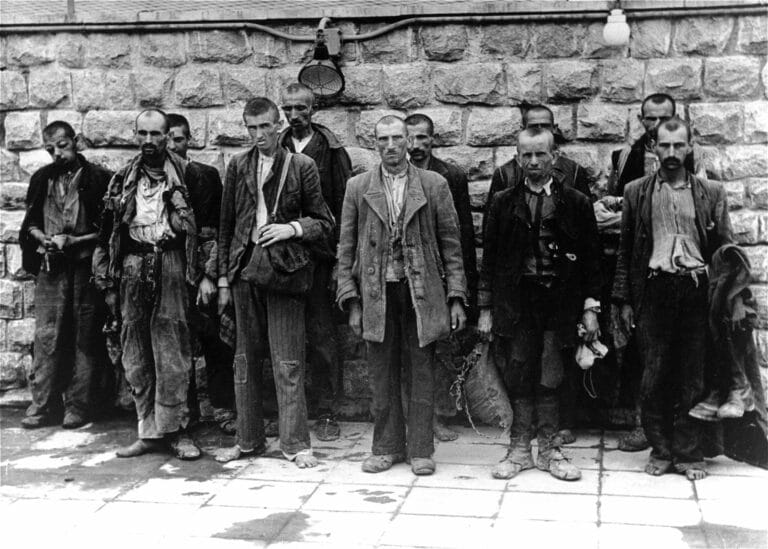
Mauthausen Memorial is one of the most important remembrance sites in Austria and one of the most difficult, necessary, and historically serious places a visitor can encounter in Europe. It preserves the former German Nazi concentration camp complex near Linz, including the main camp and the wider landscape of imprisonment, forced labor, and mass death connected to the site. Unlike a conventional museum, Mauthausen is not built around admiration, discovery, or aesthetic pleasure. It is a memorial and historical site whose purpose is to preserve evidence, communicate the reality of persecution and murder, and make the physical structure of terror legible to later generations. That difference matters. A visit here is not about highlights in the ordinary museum sense. It is about understanding how architecture, topography, bureaucracy, and violence were bound together.
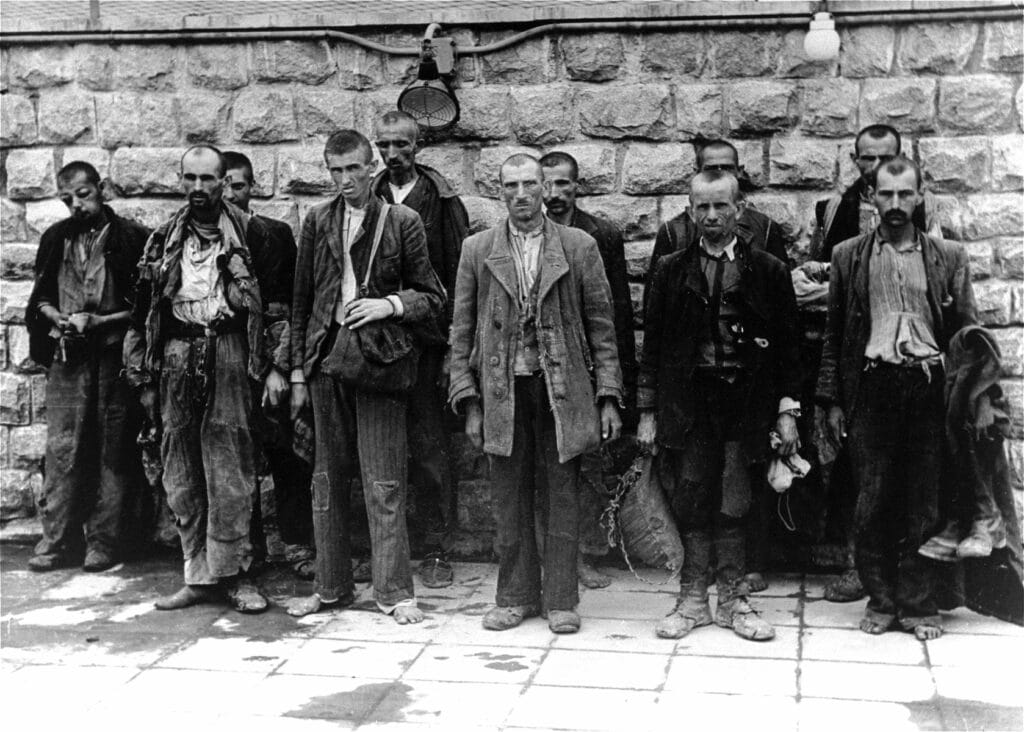
What makes Mauthausen especially powerful is the relationship between documentation and place. Many visitors know in broad terms what a concentration camp was, but at Mauthausen the physical environment gives that knowledge a different weight. The high stone walls, the open yards, the surviving structures, and the nearby quarry make visible the connection between imprisonment and forced labor. The site does not rely on theatrical reconstruction to create emotional force. The preserved material reality is enough. This is one of the reasons Mauthausen remains such an affecting and instructive place. It allows visitors to confront not an abstract history, but an actual landscape in which mass suffering was organised.
The memorial is also important because it preserves the scale and system of the camp complex rather than reducing the visit to one symbolic building or one simplified story. Mauthausen was part of a larger structure of Nazi persecution, exploitation, and killing, and the memorial helps visitors understand that wider framework. The result is a visit that can feel severe, but it is also unusually clear in the way it links place, policy, and consequence. Mauthausen does not sentimentalise its history. It presents evidence, architecture, terrain, and historical interpretation in a way that demands attention and seriousness.
For visitors, this means expectations should be different from those brought to an ordinary museum. This is not a site to rush. It is not a place to “cover” quickly and move on from. It is best approached with time, concentration, and a willingness to accept discomfort as part of the experience. The memorial’s value lies in that seriousness. It is one of those places where the preservation of evidence has ethical as well as historical importance.
Collection Highlights
At a site like Mauthausen, the strongest points of attention are not “highlights” in the conventional sense, but the preserved areas and interpretive sections that most clearly reveal how the camp functioned. The main camp itself is central. Walking through the preserved structures and open spaces gives the visitor a clearer understanding of confinement, control, and hierarchy than books or images alone can provide. The layout of the camp matters. The memorial allows the visitor to see that imprisonment here was not only a question of barracks and barbed wire, but of a deliberately organised system of terror embedded in architecture and movement.
The quarry at Wiener Graben is one of the most important and devastating parts of the site. It makes visible the relationship between forced labor and death in a direct way that few memorial sites can. The quarry is not simply an adjacent industrial location. It is essential to understanding what Mauthausen was. The stone, the descent, the scale of the terrain, and the physical exposure of the place all help explain how labor itself was weaponised. For many visitors, this area leaves one of the most lasting impressions because it makes the violence of the system physically intelligible.
The preserved camp structures also deserve slow attention. At memorial sites, visitors sometimes move too quickly from one named building to another without absorbing the overall environment. At Mauthausen, the relationship between different structures is part of the meaning. The camp was a system, not a collection of isolated scenes. The preserved spaces therefore matter not only individually, but in the way they form a network of control, administration, punishment, and survival.
The memorial’s documentation and exhibition areas are also crucial. Without them, the preserved architecture could be misread or emotionally registered without adequate historical understanding. The interpretive displays give context to the site and help place Mauthausen within the broader history of Nazi persecution, deportation, forced labor, and exterminatory policy. These sections matter because they prevent the visit from becoming a purely atmospheric experience. They insist on evidence, names, structures, and historical responsibility.
Another important part of the memorial is the wider commemorative dimension, including monuments and later acts of remembrance. These elements remind visitors that Mauthausen is not only a preserved historical site but also a place shaped by postwar memory. The way remembrance has been constructed here adds another layer to the visit, showing that the site is not frozen in the past but remains part of an ongoing historical and ethical conversation.
Building and Setting
The setting of Mauthausen is inseparable from its meaning. This is one of the defining features of the memorial. The topography does not merely surround the site; it is part of how the camp operated. The steep stone landscape, the quarry, the walled camp, and the physical relationship between built structures and extracted terrain all contribute to the understanding of the site. This is why Mauthausen can be so much more affecting in person than in photographs. The body registers the place in a way that changes comprehension.
Architecturally, the main camp has a harsh and unmistakable presence. The walls and surviving structures convey enclosure, command, and coercion without needing interpretive exaggeration. At many historical sites, architecture provides atmosphere. At Mauthausen, it provides evidence. The preserved built environment does not simply evoke the past; it forms part of the documentary record of what happened there.
The setting near Linz also matters historically and practically. It places the memorial within a broader Austrian landscape rather than isolating it from ordinary geography. That contrast between a quiet surrounding region and the history preserved at the site sharpens the experience. Mauthausen is a reminder that such systems were not built in some abstract moral elsewhere, but in real places embedded in European landscapes and infrastructures.
The memorial site today is carefully structured for visitors, but it has not been transformed into something smooth or detached from its original severity. That is important. The place retains enough of its hard physical character that the visit remains grounded. A memorial of this kind should not become comfortable in the conventional museum sense, and Mauthausen avoids that.
Practical Information
A visit to Mauthausen requires more time and concentration than many travelers initially expect. Even those with prior knowledge of the history often find that the physical experience of the site slows them down. It is wise to allow enough time not only for the museum and documentation sections, but also for moving through the camp and quarry areas without rushing. This is not a place where speed serves understanding.
Good planning matters. Visitors should approach the memorial prepared for a serious and emotionally demanding visit. Reading before arrival can help, but the site itself should still be given time to speak through its spaces and evidence. Comfortable pacing is important because the terrain and emotional weight of the visit can both be tiring.
The memorial is best approached respectfully and attentively, with the understanding that this is a place of mourning, historical record, and education rather than general tourism. That may sound obvious, but it shapes the quality of the visit. Mauthausen is most meaningful when visitors allow the place to remain specific, difficult, and historically exact.
Why Visit
Mauthausen Memorial is essential for visitors who want to understand the realities of the Nazi camp system through preserved place rather than only through secondary accounts. It is not a visit to recommend lightly, but it is one of the most important memorial experiences in Austria and one of the clearest examples in Europe of how a site can preserve both evidence and moral seriousness without simplification.
What makes Mauthausen worth visiting is the force with which it links topography, architecture, forced labor, and mass death. It does not rely on spectacle. Its authority comes from preservation, documentation, and the continued presence of the site itself. For visitors willing to approach it with patience, respect, and seriousness, Mauthausen is one of the most necessary historical visits in Europe and one of the strongest reminders of why remembrance must remain tied to evidence.