Mauritshuis Review
Intro The Mauritshuis in The Hague, Netherlands, is one of the most satisfying art museums in Europe because it demonstrates how concentration can.
Intro The Mauritshuis in The Hague, Netherlands, is one of the most satisfying art museums in Europe because it demonstrates how concentration can.
Best forMasterpieces, architecture, cultural history
Review focusCollection highlights, building, visitor flow
Historical Context
The Mauritshuis in The Hague, Netherlands, holds a distinguished place in the cultural landscape as a premier institution dedicated to Dutch Golden Age painting. This period of art, celebrated internationally, profoundly influenced European representation of domestic life, civic identity, urban wealth, scientific inquiry, and the textures of everyday existence. The Mauritshuis preserves this epoch in an exceptionally concentrated and distilled form. The museum's setting itself—a historic city palace—adds a tangible layer of meaning, connecting the art to the power and prestige of the Dutch Republic during the seventeenth century. The building's origins and its location in the political heart of The Hague situate the collection within a broader narrative of commerce, elite patronage, and Dutch civic culture. Importantly, the Mauritshuis operates as a modern public institution, making these works accessible not as private treasures but as shared cultural heritage, ensuring the continued significance of the Dutch Golden Age beyond its national borders.
What You See on Arrival
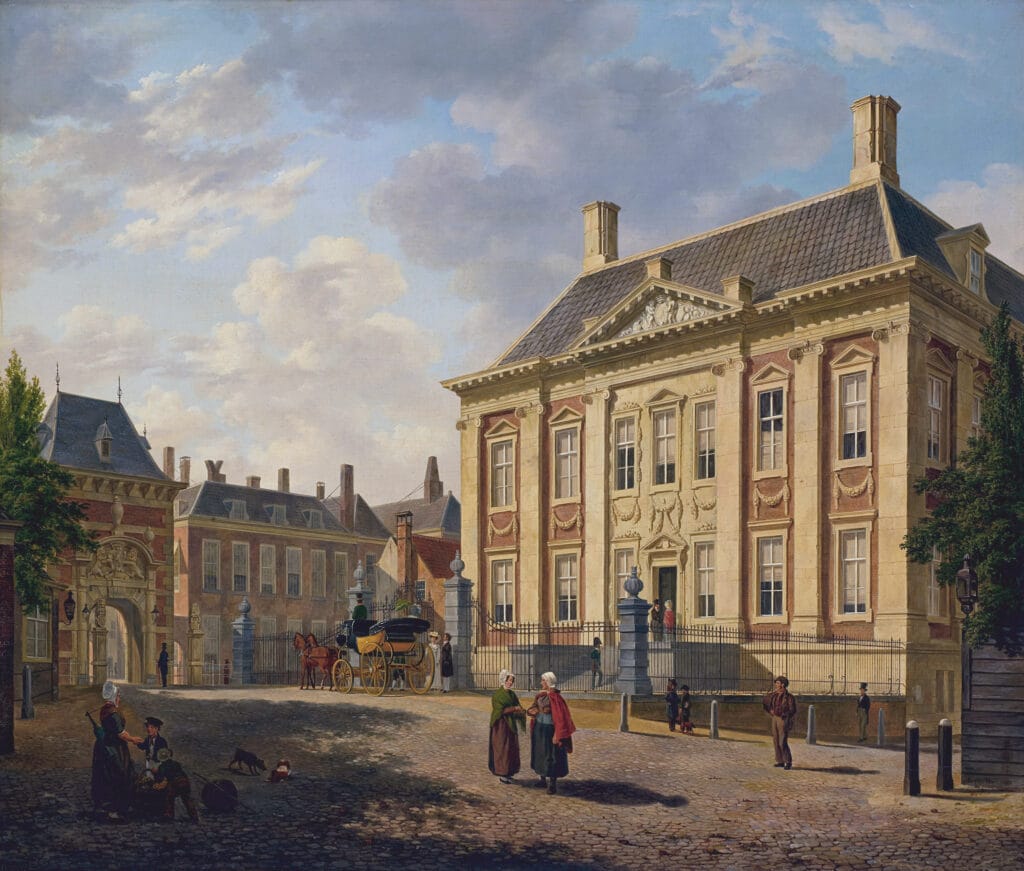
Visitors approaching the Mauritshuis are immediately met with the elegant façade of a seventeenth-century city palace, whose refined architecture contrasts thoughtfully with the bustle of central The Hague. The building’s domestic scale and historical detail set a tone of intimacy and welcome that pervades the entire visit. Inside, the museum’s layout is purposeful and manageable; the sequence of rooms is clear and inviting rather than overwhelming. One does not encounter endless corridors or cavernous galleries but rather a collection arranged within rooms of domestic proportions. Each space is carefully designed for close looking, with architectural refinement and decorative features that enhance the atmosphere without competing for attention. The harmony between the palace setting and the art displayed creates a sense of stepping into a coherent, lived-in world appropriate to the seventeenth-century paintings it houses.
Highlights and Key Exhibitions
The Mauritshuis is globally renowned for holding several of the most iconic masterpieces of Dutch and Flemish painting. Foremost among these is Johannes Vermeer’s enigmatic Girl with a Pearl Earring, a work whose international fame often draws visitors from around the world. Yet the museum’s acclaim is by no means dependent on this single painting. Rembrandt’s The Anatomy Lesson of Dr. Nicolaes Tulp and Carel Fabritius’s The Goldfinch are other standout works that illustrate the high caliber and consistency of the collection. Beyond these celebrated pictures, the collection’s strength lies in its coherence and scholarly curation. Paintings are selected and displayed to illuminate a broad spectrum of genres—from portraiture and still life to landscape, genre scenes, and history painting—each reflecting the technical mastery and thematic concerns of the Dutch Golden Age. The works engage in dialogue with one another, offering insights into light, texture, civic identity, and narrative that are readily perceptible without the distraction of a sprawling or encyclopedic collection. Temporary exhibitions, when offered, tend to complement rather than compete with this core focus, preserving the museum’s clear curatorial narrative and identity.
Visitor Experience
The visitor experience at the Mauritshuis is distinguished by its balance between significance and digestibility. Unlike many large-scale museums where the sheer volume of art can be physically and mentally taxing, the Mauritshuis invites visitors into a measured and thoughtful progression through its galleries. The clarity of circulation means that visitors can easily navigate, returning to favourite paintings without difficulty and spending time without feeling pressured. While the museum can become busy, particularly around its most famous pieces, there is typically ample opportunity to find quieter spaces conducive to close observation and reflection. The institution’s approach is understated and confident, relying on the power of the collection and the setting rather than elaborate multimedia or heavy interpretative layers. This fosters a calm and serious atmosphere that encourages genuine engagement with the art, appealing to both first-time visitors and seasoned connoisseurs who appreciate the possibility of repeated visits that reveal new insights with each encounter.
Tickets, Access, and Planning
The Mauritshuis is open Monday from 13:00 to 18:00, and Tuesday through Sunday from 10:00 to 18:00. Tickets are required for entry, with a variety of options and discounts available. Given the museum’s central location in The Hague, it is highly accessible and convenient to combine with visits to other nearby cultural and civic attractions. However, the collection deserves focused attention rather than a rushed detour. Despite its compact size, the museum’s rich and carefully curated environment rewards visitors who allow themselves time to move beyond the headline works and experience the collection in full. It is advisable for potential visitors to verify current ticketing policies, opening hours, and any special exhibitions prior to their visit to ensure the best possible experience.
Final Verdict
The Mauritshuis stands out as one of Europe’s finest art museums by demonstrating that exceptional quality and clarity can triumph over scale and volume. Its strengths lie in an impeccable blend of concentrated collection, architectural intimacy, curatorial coherence, and a consistently high standard of artwork. This museum offers a unique model of how a world-famous institution can remain fully absorbable and rewarding, inviting both seasoned art lovers and general visitors to engage deeply without fatigue. For those interested in Dutch painting, the Mauritshuis is indispensable; for others, it is a compelling case study in how a focused, well-executed collection provides a memorable and enriching museum experience that rivals far larger institutions.