Maritime Museum Rotterdam Review
Maritime Museums · Rotterdam, Netherlands. Situated in the vibrant port city of Rotterdam, the Maritime Museum Rotterdam stands as a beacon of the Netherlands’ rich nautical heritage. Rotterdam’s identity has long been intertwined with maritime trade, shipbuilding, and global…
Maritime Museums · Rotterdam, Netherlands. Situated in the vibrant port city of Rotterdam, the Maritime Museum Rotterdam stands as a beacon of the Netherlands’ rich nautical heritage. Rotterdam’s identity has long been intertwined with maritime trade, shipbuilding, and global…
Best forMaritime history, ships, harbour heritage
Review focusMaritime collections, ship history, and visitor planning
Historical Context
Situated in the vibrant port city of Rotterdam, the Maritime Museum Rotterdam stands as a beacon of the Netherlands’ rich nautical heritage. Rotterdam’s identity has long been intertwined with maritime trade, shipbuilding, and global exploration, practices that helped shape both the city and the nation into prominent players on the world stage from the early modern period onward. Established in the late 19th century, the museum traces the evolution of maritime technology, trade routes, and cultural exchanges facilitated by the sea. Through a comprehensive narrative, it situates the Netherlands’ maritime story within global contexts, emphasizing the profound impact of shipping, naval warfare, and commerce on the development of Rotterdam’s port as one of the largest and busiest in the world. The museum’s collections encapsulate centuries of ship design, nautical instruments, and art that not only inform but also celebrate the seafaring traditions that continue to define the region’s economic and cultural landscape.
What You See on Arrival
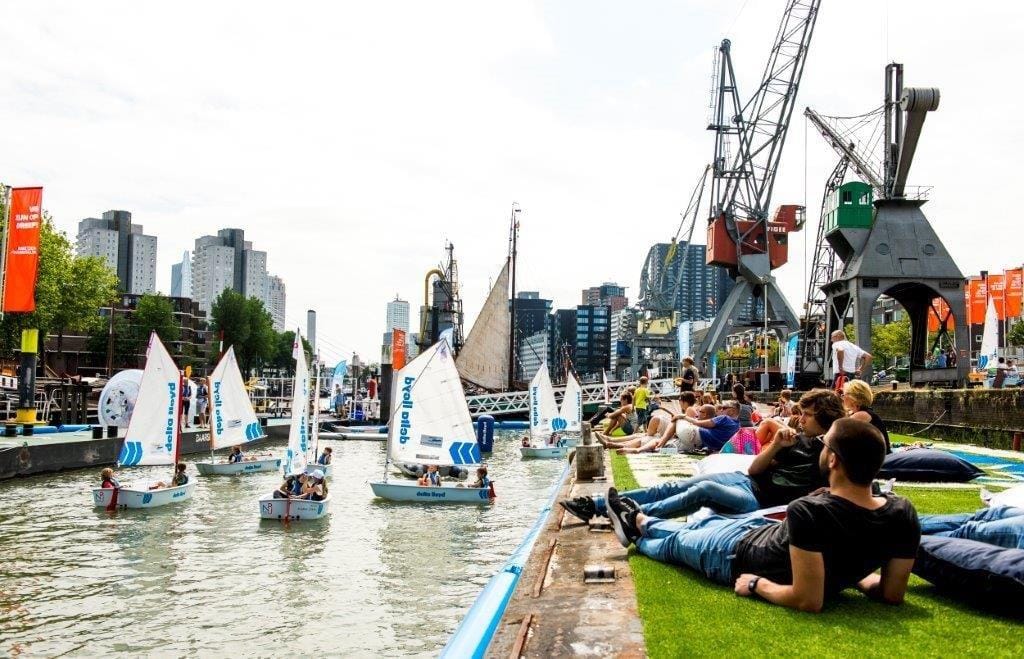
The Maritime Museum Rotterdam is prominently located on the Wilhelminakade, alongside the sweeping skyline of Rotterdam's modern port area. Upon approach, visitors are greeted by an imposing blend of historic maritime architecture and contemporary design, which mirrors the city’s rich tradition and forward-looking spirit. The building itself is characterized by maritime motifs, with exterior elements evocative of ship hulls and portholes, integrating the museum seamlessly into the surrounding docklands. Outside, the presence of authentic historic vessels docked nearby enhances the maritime atmosphere, providing an immediate sensory connection to its nautical themes. The museum’s well-marked entrance and spacious forecourt invite visitors into a space that is both welcoming and suggestive of exploration. Signage is clear and multilingual, reflecting Rotterdam’s international character and accessibility to a broad global audience.
Highlights and Key Exhibitions
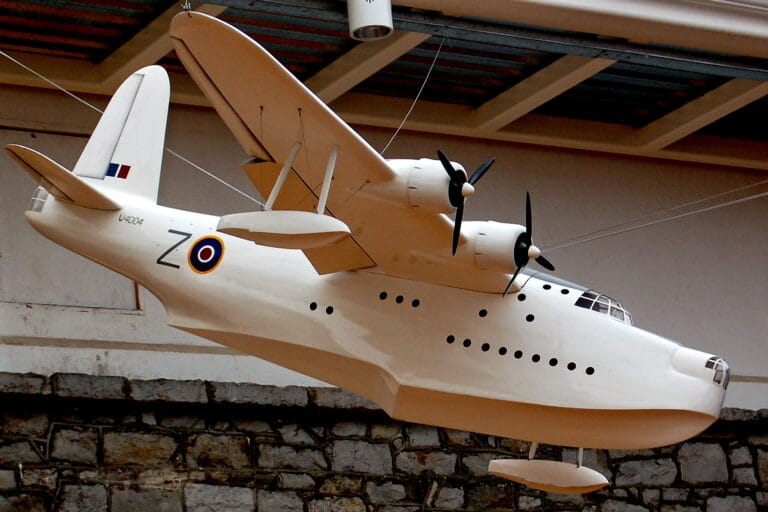
Inside, the Maritime Museum Rotterdam presents an engaging and meticulously curated selection of permanent exhibitions showcasing the multifaceted history of maritime endeavors. Central to its narrative is the exploration of the Dutch golden age of seafaring, with exquisite models of iconic ships, detailed maps, and navigational tools that chart the expansion of Dutch trading networks. The exhibition spaces use a variety of media, including interactive displays and historic artifacts, to illustrate the evolution from wooden sailing ships to the advent of steam-powered vessels. Noteworthy are the collections paying tribute to shipbuilding techniques, the role of the merchant navy during pivotal global conflicts, and the environmental challenges confronting modern maritime industries. Art enthusiasts will find the maritime artworks, including dramatic sea scenes and portraits of sailors, both evocative and informative, underscoring the cultural imprint of seaborne life. Additionally, the museum offers an insight into Rotterdam’s modern port operations, emphasizing how technological advancements continue to shape its maritime future.
Visitor Experience
The Maritime Museum Rotterdam is designed with a broad demographic in mind, catering to families, scholars, maritime enthusiasts, and casual visitors alike. The layout is spacious and logically arranged, enabling an intuitive flow through different periods and themes. Interactive elements enhance engagement, particularly for younger audiences, while detailed descriptions and archival documentation satisfy those seeking deeper academic insights. Educational programs and workshops take place regularly, reinforcing the museum’s role as a dynamic cultural and learning institution. The staff are generally well-informed and approachable, providing assistance and enriching the visitor experience with contextual information. Onsite amenities include a café that offers views of the bustling harbor, creating a pleasant atmosphere for reflection after touring the exhibits. The museum shop, stocked with specialized literature and souvenirs, complements the overall experience. However, some visitors might find certain displays dense with information, requiring time and focus to fully appreciate.
Tickets, Access, and Planning
Ticketing for the Maritime Museum Rotterdam is straightforward and reasonably priced, with options for single entries, group bookings, and discounts available for seniors, youth, and students. Advance online booking is recommended, particularly during peak tourist seasons, to ensure entry and facilitate contactless transactions. The museum is well-served by public transport, located within walking distance of key tram and bus stops, and is easily accessible from Rotterdam Centraal Station. Ample parking is available for those traveling by car, though charges apply. Accessibility is a priority; the facility offers wheelchair access, lifts, and dedicated amenities for visitors with disabilities. Multilingual audio guides and descriptive texts support international guests. Visitors may wish to allocate at least two to three hours to explore the museum thoroughly, especially if engaging with the detailed exhibitions and participating in guided tours.
Final Verdict
The Maritime Museum Rotterdam represents a compelling synthesis of historical depth, cultural richness, and modern museology. Its comprehensive approach to the maritime narrative—bridging past achievements with contemporary challenges—provides visitors with a nuanced understanding of Rotterdam’s pivotal role in maritime history. The preservation of artifacts, the quality of exhibitions, and the integration of interactive opportunities reflect a well-conceived institution committed to education and engagement. While the concentration and density of some displays might be overwhelming for casual tourists, the museum undoubtedly rewards those willing to immerse themselves in the stories of the sea. Situated in an architecturally striking location near the heart of the city’s port, it also offers a tangible connection to the living maritime world. For anyone interested in nautical history, maritime culture, or the development of global trade, the Maritime Museum Rotterdam stands as a must-visit destination in the Netherlands.