Maritime Museum Review
The Maritime Museum in Vanáton, Greece, is a cornerstone institution dedicated to preserving and showcasing the rich nautical heritage.
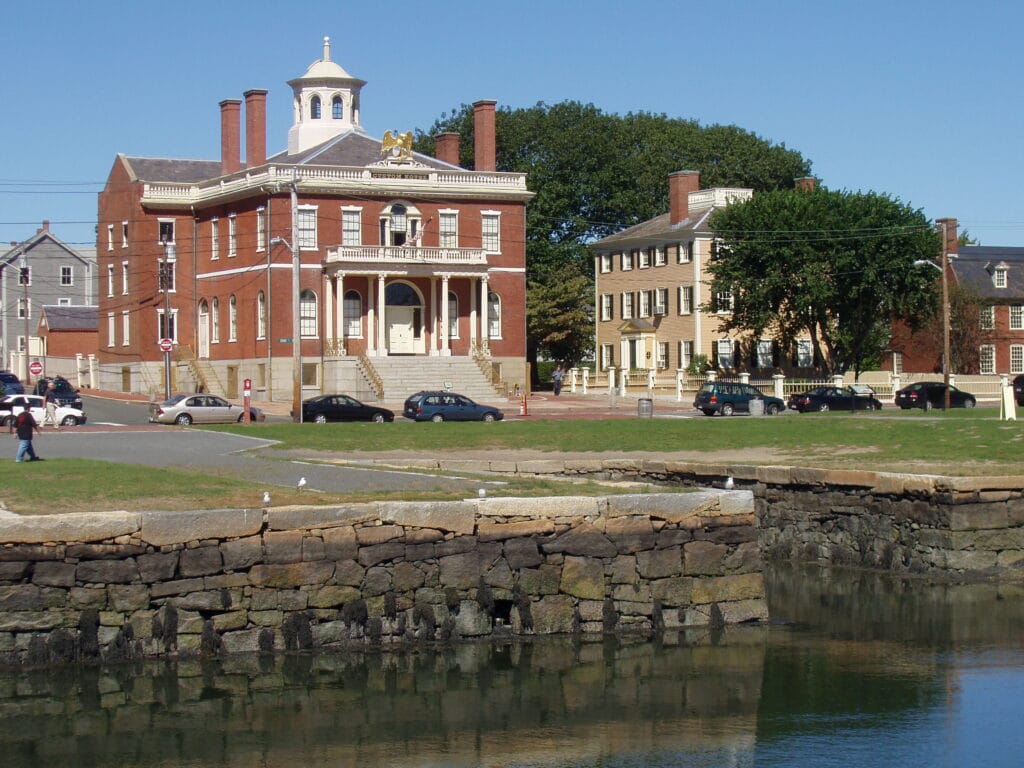
The Maritime Museum in Vanáton, Greece, is a cornerstone institution dedicated to preserving and showcasing the rich nautical heritage.
Best forMasterpieces, architecture, cultural history
Review focusCollection highlights, building, visitor flow
Historical Context
The Maritime Museum in Vanáton, Greece, is a cornerstone institution dedicated to preserving and showcasing the rich nautical heritage of the region and the broader Mediterranean basin. Vanáton’s strategic coastal location has historically made it a significant hub for maritime trade, exploration, and naval warfare. This museum serves as a tribute to the city’s longstanding relationship with the sea, tracing maritime history from ancient times through modern developments in seafaring technology and culture. The collection reflects Greece’s pivotal role in the evolution of naval craftsmanship and maritime navigation, highlighting the intersection of commerce, warfare, and cultural exchange over millennia. The museum’s historical narrative is carefully curated to honor the maritime accomplishments of both local and international seafarers, providing visitors with an insightful perspective on how the sea has shaped not only the city of Vanáton but also the wider world.
What You See on Arrival
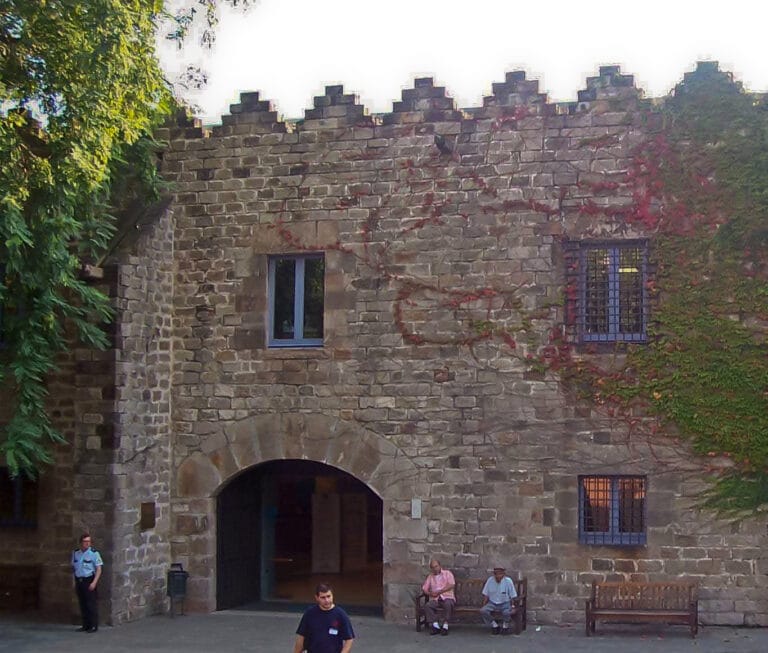
Upon arrival at the Maritime Museum, visitors are greeted by an impressive façade that echoes nautical themes through its architectural detailing. The building itself is positioned to take advantage of its coastal setting, encouraging an immediate connection with the maritime world before even entering. Outside, a permanent display featuring model ships and maritime artifacts hints at the treasures within, setting the tone for the visit. The entrance area is spacious, with clear signage directing visitors towards ticketing and introductory exhibits that provide essential background for those less familiar with maritime history. This initial encounter with the museum environment is both welcoming and informative, emphasizing accessibility and orientation. The design promotes a smooth flow that naturally guides visitors deeper into the museum’s extensive collections.
Highlights and Key Exhibitions
The Maritime Museum boasts a diverse and compelling array of exhibits that span centuries of nautical history and maritime culture. Among the highlights is an extensive collection of ship models, ranging from ancient Greek triremes to replicas of more modern vessels. These models are meticulously crafted and accompanied by detailed explanations of their design, use, and historical significance. Another standout section is dedicated to navigational instruments, showcasing the evolution of tools like astrolabes, compasses, and sextants, which reveal advancements in maritime technology and navigational science.
The museum also features a gallery devoted to maritime warfare, with exhibits on legendary naval battles and the armaments that defined them. Artifacts such as cannons, uniforms, and ship logs provide tangible connections to these dramatic moments in history. Additionally, the cultural impact of seafaring is explored through displays of maritime art, including paintings, photographs, and ship figureheads, which illustrate how the sea has inspired artistic expression across eras.
One of the most compelling areas is the ethnographic section, which sheds light on the lives of sailors and coastal communities, offering insight into their traditions, challenges, and the social dynamics shaped by the sea. This diverse collection ensures that the Maritime Museum is not just about ships and technology but the human stories enmeshed with maritime heritage.
Visitor Experience
The visitor experience at the Maritime Museum is thoughtfully crafted to blend educational depth with accessibility. Exhibits are arranged in a logical progression, allowing guests to navigate through historical periods and thematic areas without confusion. The use of interactive displays and multimedia enhances engagement, providing context and allowing deeper exploration of complicated subjects like navigation techniques or shipbuilding processes.
Signage throughout the museum is multilingual, with clear explanations in both Greek and English, catering to an international audience. The lighting and spacious galleries contribute to a comfortable atmosphere, and seating areas are available for rest and reflection. While the museum offers detailed information, it remains approachable for visitors with varying degrees of prior knowledge about maritime history.
Audio guides and printed materials are available to enrich the visit, and staff members are noted for their helpfulness and expertise, offering additional insights or assistance when requested. The balance between scholarly content and visitor-friendly presentation makes the Maritime Museum appealing to families, students, historians, and casual tourists alike.
Tickets, Access, and Planning
Ticketing at the Maritime Museum is straightforward, with options for single admission, group rates, and discounted tickets for locals, students, seniors, and children. Pricing is reasonable, reflecting the museum’s commitment to accessibility and public education. Online ticket booking is facilitated through the official website, which is user-friendly and provides comprehensive information about opening hours, current exhibitions, and visitor guidelines.
Accessibility is a key focus, with the museum equipped to accommodate visitors with mobility impairments, including ramps, elevators, and accessible restrooms. The layout is designed to be navigable for wheelchair users and those with strollers. Additionally, the museum’s location near Vanáton’s waterfront means it is well-served by public transportation options and offers ample parking nearby for those arriving by car.
Planning a visit to the Maritime Museum can also be enhanced by the availability of guided tours and educational workshops, which require advance booking. These programs cater to groups and individuals seeking a more in-depth exploration of the exhibits. The museum’s website is a reliable resource for planning all aspects of the visit, including details on seasonal hours and visitor policies.
Final Verdict
The Maritime Museum in Vanáton stands out as a meticulously curated institution that successfully merges historical scholarship with public engagement. Its comprehensive collections and well-organized exhibitions provide a rich tapestry of maritime history, celebrating not only the technological and military aspects of seafaring but also the human dimension of life by the sea. The thoughtful presentation and accessibility measures underscore the museum’s mission to educate and inspire a broad audience.
While the museum excels in content depth and visitor amenities, there could be opportunities to further enhance the interactive and digital elements to draw in younger or more tech-savvy visitors. Nevertheless, its inviting atmosphere and expert staff ensure a rewarding experience for anyone interested in the maritime world.
Overall, the Maritime Museum in Vanáton is an essential destination for those seeking to understand the profound influence of the sea on Greek history and culture. It offers a balanced blend of scholarly rigor and visitor-friendly presentation, making it a must-visit institution for maritime enthusiasts and cultural tourists alike.