Kyoto Samurai and Ninja Museum Review
Art Museums · Kyoto, Japan. The Kyoto Samurai and Ninja Museum is situated in the historic city of Kyoto, Japan, a place long revered as the heartland of samurai culture and ninja lore. Kyoto served as the imperial capital…
Art Museums · Kyoto, Japan. The Kyoto Samurai and Ninja Museum is situated in the historic city of Kyoto, Japan, a place long revered as the heartland of samurai culture and ninja lore. Kyoto served as the imperial capital…
Best forScience, technology, hands-on learning
Review focusExhibits, interpretation, visitor flow
Historical Context
The Kyoto Samurai and Ninja Museum is situated in the historic city of Kyoto, Japan, a place long revered as the heartland of samurai culture and ninja lore. Kyoto served as the imperial capital for over a millennium, during which it was a central stage for the rise and governance of the samurai class, known for their warrior code, bushidō, and their influential role in Japanese history. The museum explores the mystique surrounding these iconic figures, combining both samurai and ninja artifacts, histories, and cultural interpretative elements. The samurai were not only warriors but also administrators, serving shoguns and daimyos, whose influence shaped much of Japan’s social and political landscape. Ninjas, in contrast, symbolize the secretive and covert aspects of feudal Japan, their legendary espionage and guerrilla tactics often overshadowed by myth. This museum carefully balances the realities of these roles with their mythologies, offering insight into their importance culturally and historically within Kyoto and beyond.
What You See on Arrival
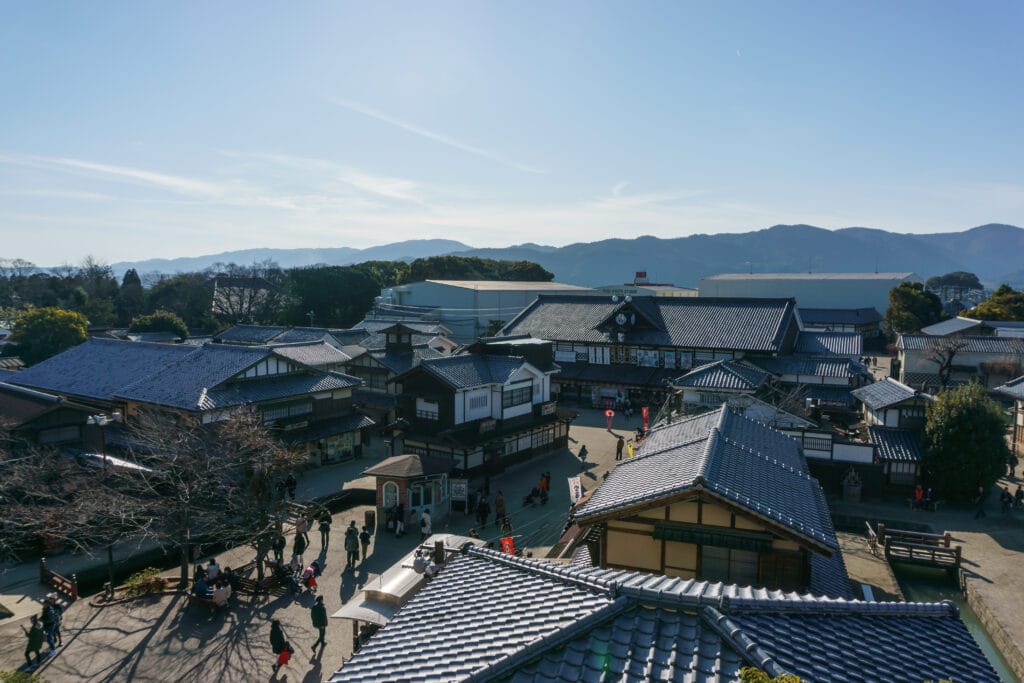
Upon entering the Kyoto Samurai and Ninja Museum, visitors are immediately immersed in a distinctly atmospheric setting designed to evoke the ambiance of feudal Japan. The exterior and interior architecture uses wood and traditional Japanese design motifs that hint at the deep history encapsulated within. The initial encounter includes a striking display of samurai armor sets and weaponry, including authentic swords, helmets, and chest plates, arranged to reflect the ceremonial and practical purposes of the gear. The museum space is intentionally intimate, designed to give visitors close-up views of the artefacts. Complementing the weaponry are life-sized mannequins clad in period-accurate samurai and ninja attire, accompanied by explanatory plaques that offer context about their tactical use and cultural symbolism. The overall aesthetic is one of reverent presentation but also interactive engagement, setting the tone for a deeper exploration of the themes to follow.
Highlights and Key Exhibitions
At the heart of the museum are several well-curated exhibitions that stand out for their depth and authenticity. The samurai armor collections provide a comprehensive overview of evolving designs and regional variations, reflecting technological advances and shifting warfare strategies from the Kamakura period through the end of the Edo period. One particularly notable aspect is the detailed explanation of the katana, its craftsmanship, and its symbolic significance within samurai culture.
Equally compelling are the exhibits dedicated to ninja artifacts, including replicas of traditional ninja tools such as shuriken, blowguns, and grappling hooks. Though shrouded in secrecy and surrounded by oral histories, the ninja sections are informed by scholarly research and strive to distinguish fact from folklore. Interactive displays and narrated multimedia elements enhance the storytelling, illustrating ninja tactics and their roles in espionage and survival during turbulent times.
The museum also features a range of artistic materials—scrolls, illustrations, and weapon engravings—that highlight the artistry involved in samurai and ninja life. These aspects underscore the complex cultural legacies these warriors left behind, beyond their martial prowess. The museum’s decision not to focus solely on objects but also on educational displays deepens visitor understanding, making these exhibitions stand out as comprehensive learning experiences.
Visitor Experience
The Kyoto Samurai and Ninja Museum provides an experience that blends education with entertainment, aiming to engage a diverse audience. The intimate scale of the museum encourages careful viewing and reflection without the overwhelming crowds typical of larger institutions. Many of the staff and guides present appear knowledgeable and enthusiastic, often available to provide additional insights or demonstrations—though language accessibility can occasionally limit communication for non-Japanese speakers.
Interactive elements such as the opportunity to handle replica weapons or try on samurai armor add an immersive dimension that resonates well with families and younger visitors. These hands-on experiences are carefully managed to respect the artifacts and maintain a respectful atmosphere. Multimedia stations and audio guides supplement the physical exhibits well and help clarify historical and technical details.
The way information is layered—from basic introductions to more detailed explanations—caters to both casual visitors and those with a deeper interest in Japanese history. However, space constraints mean that at times the museum can feel a bit confined, especially in peak seasons, which can impact the overall flow and comfort. Still, the thoughtfully curated displays and the blend of quiet study areas and interactive zones contribute to a rewarding and stimulating visit.
Tickets, Access, and Planning
Ticketing for the Kyoto Samurai and Ninja Museum prioritizes straightforward access and reasonable pricing. Admission fees are modest, reflecting the museum’s focus on accessibility rather than commercial maximization. Tickets can generally be purchased onsite, but it is advisable to check availability and operating hours on the official website, especially for groups or during holiday seasons when Kyoto sees increased tourist traffic.
The museum is centrally located and accessible by public transportation, ideally positioned within reach of major bus and train lines. Although the museum is housed in a historic-styled building that prioritizes preservation, efforts have been made to accommodate visitors with mobility considerations. The presence of ramps and designated rest areas enables broader access, although due to the nature of the building and some display installations, not all areas may be fully wheelchair-friendly.
For those planning a visit, it is recommended to allocate at least one to two hours to take in the exhibitions fully and participate in any interactive features or guided tours available. The museum’s official website provides useful information on opening hours, ticket prices, educational programs, and available languages for guides or materials.
Final Verdict
The Kyoto Samurai and Ninja Museum presents a compelling and well-rounded portrait of two of Japan’s most iconic and enduring figures: the samurai and the ninja. It succeeds in delivering an educational experience that respects historical accuracy while acknowledging the myth and popular culture that surround these warriors. The museum’s strength lies in its detailed and carefully preserved artifacts, complemented by well-thought-out interpretive materials that engage visitors intellectually and visually.
While the museum’s size and intimate setting may not satisfy those looking for an extensive, encyclopedic collection, it fills an important niche in Kyoto’s cultural landscape, offering a concentrated and accessible insight into the era of the samurai and ninja. Its appeal crosses demographics, catering to history enthusiasts, families, and tourists alike. Some limitations in language accessibility and physical space may affect convenience, but these are minor in the context of the quality of the experience.
Ultimately, the Kyoto Samurai and Ninja Museum stands as a valuable destination for anyone seeking to understand the complexities of feudal Japan’s martial traditions and the intertwined cultural narratives of the samurai and ninja. It is recommended as a complementary stop for those touring Kyoto’s many historical sites, providing enriching context to the city’s enduring legacy as a center of Japanese heritage.