Kyoto National Museum Review
The Kyoto National Museum, established in 1897, is among Japan’s oldest and most distinguished cultural institutions. Located in Kyoto, the city historically considered the heart of Japan’s imperial past and classical culture, the museum was created partly to…
The Kyoto National Museum, established in 1897, is among Japan’s oldest and most distinguished cultural institutions. Located in Kyoto, the city historically considered the heart of Japan’s imperial past and classical culture, the museum was created partly to…
Best forMuseum lovers, culture travelers, first-time visitors
Review focusCollections, visitor experience, and practical planning
Historical Context
The Kyoto National Museum, established in 1897, is among Japan’s oldest and most distinguished cultural institutions. Located in Kyoto, the city historically considered the heart of Japan’s imperial past and classical culture, the museum was created partly to safeguard important artworks and antiquities from the risk of loss during modernization and social change in the Meiji period. Its founding aligned with a broader national movement to organize and preserve Japan’s cultural heritage systematically. Though initially called the Imperial Museum of Kyoto, it was rebranded as the Kyoto National Museum over the course of the 20th century, reflecting shifts in administration and public access focus.
Its location in Kyoto is significant given the city’s long history as a political and cultural center. While Tokyo attracts attention as Japan’s modern capital, Kyoto remains a repository of traditional arts, Buddhist heritage, and classical court culture, all of which are principal themes within the museum’s collection. The museum’s identity is thus closely tied to the cultural roots of pre-modern Japan. Over decades, the institution evolved with expansions and renovations, aiming to present Japanese art and craft within an architectural setting that honors classical Japanese aesthetics alongside Western influences. This blending of past and present is emblematic of the museum’s role: it preserves history while contributing to ongoing dialogues about cultural identity and preservation.
What You See on Arrival
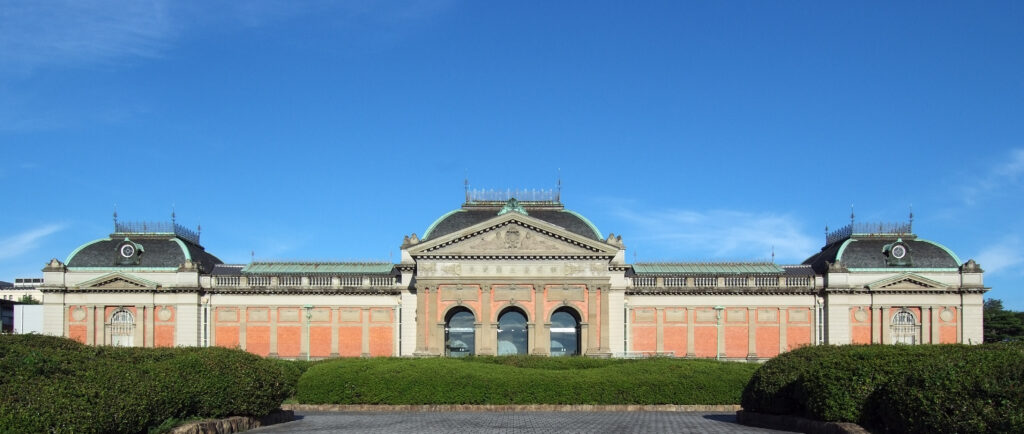
Visitors approaching the Kyoto National Museum encounter a building that reflects an architectural style combining Meiji-era Western Renaissance influences with traditional Japanese elements. The museum’s main hall, completed in the early 20th century, features red brick and granite with a decorative, domed roof that exemplifies this fusion in a stately but understated manner. The physical setting situates one inside a compound with well-tended grounds, including garden areas that echo Kyoto’s renowned tradition of landscape design.
From a visitor’s vantage point, the museum consciously signals its role as a guardian of heritage. The entrance, marked by a formal facade, sets a tone of quiet respect and contemplation rather than spectacle. This atmosphere frames the visit as an encounter with carefully chosen and preserved cultural artifacts, rather than a crowded commercial exhibition space. The museum is not a large scale institution like Tokyo’s National Museum complex, so first impressions revolve around a sense of historical gravitas and a calm atmosphere, inviting visitors prepared for thoughtful study rather than rapid browsing.
Inside, one expects a well-organized layout that orients visitors geographically and thematically around the core of Japan’s traditional arts—an institutional identity strongly linked to the Kyoto region’s artistic legacy. The architecture and introductory displays work together as an overture, preparing visitors to engage with a narrative of Japanese artistic evolution that is simultaneously regional and national.
Highlights and Key Exhibitions
What defines the Kyoto National Museum’s strength is its comprehensive collection of pre-modern Japanese art and artifacts, focusing heavily on historical pieces from Kyoto and surrounding areas. The museum specializes in fine arts connected to the city’s role as a center for imperial court culture, Buddhism, and classical craft traditions.
A primary focus is on Buddhist art. The museum holds an extensive selection of sculptures, painting, ritual objects, and religious manuscripts that span from the Asuka period (6th-7th century) through the Edo period (17th-19th century). These works elucidate the deep, evolving relationship between Buddhism and Japanese culture. Visitors can see early wooden statues and gilt bronze figures that demonstrate the technical prowess and devotional importance of Buddhist art. Such pieces testify to shifts over time in style, patronage, and religious emphasis.
The museum’s collection of calligraphy and early manuscripts is another cornerstone. These artifacts highlight the refinement of writing styles and educational practices connected to Kyoto’s imperial court. Document fragments, poems, and illustrated sutras reveal how literature and religious thought were transmitted and conserved through the centuries. Calligraphy specimens, featuring noted hands from different periods, are an illustration of cultural literacy as an art form. The exhibits make clear how the written word served not only as communication but also as a medium of aesthetic expression.
Traditional crafts also receive significant attention — ceramics, textiles, lacquerware, and metalwork exemplify the high level of artisanship associated with Kyoto’s historical artisan communities. These objects show the meticulous skill, materials, and techniques honed over centuries, reflecting shifting tastes and social functions. Particularly notable are exquisite pieces from the Heian (794-1185) and Muromachi (1336-1573) periods, when Kyoto thrived as a cultural hub.
Paintings are a highlight, covering classical themes such as nature, court life, and religious subjects. Screens, scrolls, and hanging paintings include works from famous schools and individual masters, providing insight into stylistic transitions from Yamato-e to ink painting and modern revival movements. The quality and scholarly importance of these holdings elevate the museum’s reputation in Japan and internationally.
The museum’s permanent displays are thoughtfully arranged to offer both chronological progression and thematic explorations. This dual approach benefits visitors who seek a broad historical overview as well as those interested in focused subject areas like Buddhist iconography or textile production.
Visitor Experience
The Kyoto National Museum suits an audience interested in traditional Japanese art and history rather than casual sightseeing. Its exhibitions require a degree of sustained attention and familiarity with cultural context to be fully appreciated, making it better suited for intermediate to advanced museum visitors, scholars, or culturally curious travelers with patience for detailed exploration.
Interpretive text panels and labels are generally informative, often provided in Japanese and English, and contribute essential context. However, the museum’s style leans toward concise academic prose rather than simplified storytelling, which demands attentive reading. For those lacking background knowledge of Japanese historical periods or religious symbolism, some exhibits may feel challenging or dense. This choice reflects the museum’s role as a venue of cultural preservation and scholarly presentation, rather than a theme park or entertainment venue.
The gallery layout is fairly spacious, with a clear logical progression that encourages a deliberate pacing rather than rapid movement from room to room. The lighting and presentation emphasize preservation needs alongside visible detail, meaning artwork is displayed under conditions balancing visibility with conservation. Visitors should expect a quiet atmosphere conducive to careful examination.
The museum’s size and scope mean it rarely feels overwhelming, but planning a visit requires some thought about priorities. It favors a focused visit of several hours rather than a brief stop. Those seeking broad surveys of all Japanese art styles or contemporary works may find the museum’s emphasis too narrowly historical. Conversely, specialists in traditional Japanese cultural history will find a wealth of primary material presented with depth and care.
Tickets, Access, and Planning
Details about visiting the Kyoto National Museum, including opening hours, admission fees, discounts, guided tours, and the availability of audio guides, are subject to change. Visitors should consult the official website prior to their visit to obtain the most current information. Kyoto’s dense cultural landscape means the museum’s location is accessible by public transportation, but specifics about vehicle access and parking should be verified in advance.
It’s recommended for visitors to consider their timing carefully. Weekends, holidays, and peak tourism seasons in Kyoto can result in higher visitor numbers. For a more contemplative experience, weekday visits may be preferable. Checking for any special events or additional closures is essential as these can impact exhibition accessibility.
Apart from exterior grounds and the architectural setting, the museum’s facilities and amenities should be confirmed through official channels to accommodate different visitor needs. The museum’s programming style suggests a preference for self-paced engagement rather than highly structured tours; thus, visitors should plan according to their familiarity with the subject and interest level.
Final Verdict
The Kyoto National Museum remains a primary destination for those wishing to engage deeply with traditional Japanese art and cultural history, particularly as it relates to Kyoto’s distinctive heritage. Its focused collections of Buddhist art, calligraphy, classical paintings, and crafts provide an important window into Japan’s pre-modern artistic landscape. The institution takes a conservational and scholarly approach that favors thoughtful inspection and contextual understanding over casual entertainment.
While this makes it an excellent resource for students, researchers, and serious cultural tourists, it may not suit every museumgoer’s preferences. Visitors seeking a broad or heavily interactive experience might find the presentation somewhat formal and the material demanding without prior knowledge. The museum excels when approached with patience and a genuine interest in Japan’s artistic past.
Its historical location and architectural character further reinforce the museum’s role as a custodian of tradition rather than a platform for contemporary or popular culture displays. This specialization contributes a vital dimension to Kyoto’s cultural offerings but also sets clear boundaries on its appeal.
In summary, the Kyoto National Museum is a valuable cultural institution whose strengths lie in its rich, carefully curated collection of Japanese art and its serious, measured presentation. Prospective visitors are advised to plan ahead using official resources and to come prepared for a visit that rewards insight and attentiveness over casual viewing.