Karen Blixen Museum Review
House Museums · Rungsted, Denmark. Nestled in the quaint town of Rungsted, Denmark, the Karen Blixen Museum offers a gateway into the life and artistry of one of the country’s most beloved literary figures. Karen Blixen (1885-1962), also known…
House Museums · Rungsted, Denmark. Nestled in the quaint town of Rungsted, Denmark, the Karen Blixen Museum offers a gateway into the life and artistry of one of the country’s most beloved literary figures. Karen Blixen (1885-1962), also known…
Best forMasterpieces, architecture, cultural history
Review focusCollections, visitor experience, and practical planning
Historical Context
Nestled in the quaint town of Rungsted, Denmark, the Karen Blixen Museum offers a gateway into the life and artistry of one of the country’s most beloved literary figures. Karen Blixen (1885-1962), also known by her pen name Isak Dinesen, is renowned for her evocative storytelling and profound contributions to Danish and international literature. Her works often draw upon her experiences in Kenya as a coffee plantation owner, as well as her uniquely introspective view of human nature, mythology, and history. The museum is housed in the very home where Blixen lived for most of her adult life, allowing visitors to step back in time and explore the environment that inspired much of her writing. It preserves the atmosphere of the period and provides a rich context for appreciating her legacy beyond the page. As a site, it bridges literary history with cultural heritage, making it a significant destination for those interested in Scandinavian literature and early 20th-century history.
What You See on Arrival
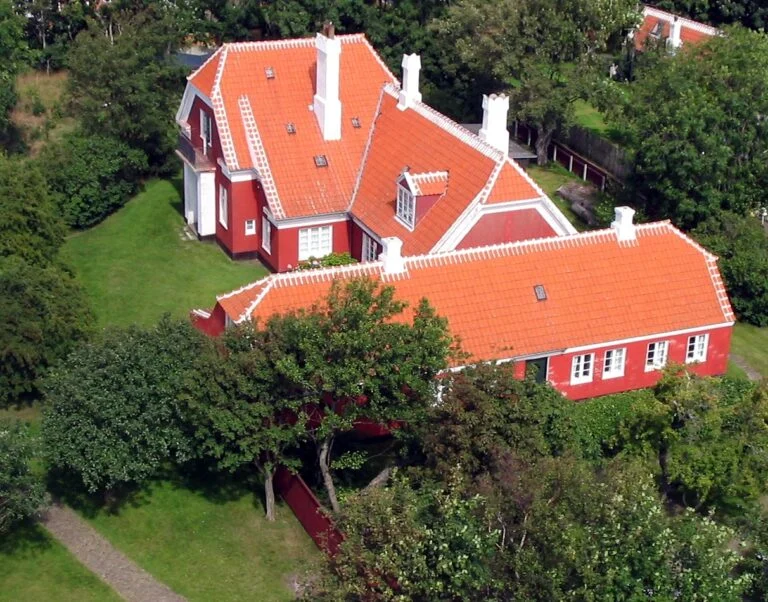
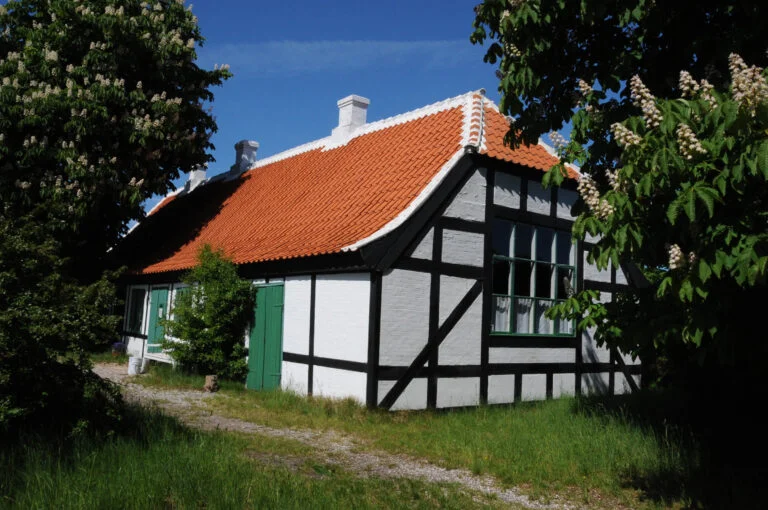
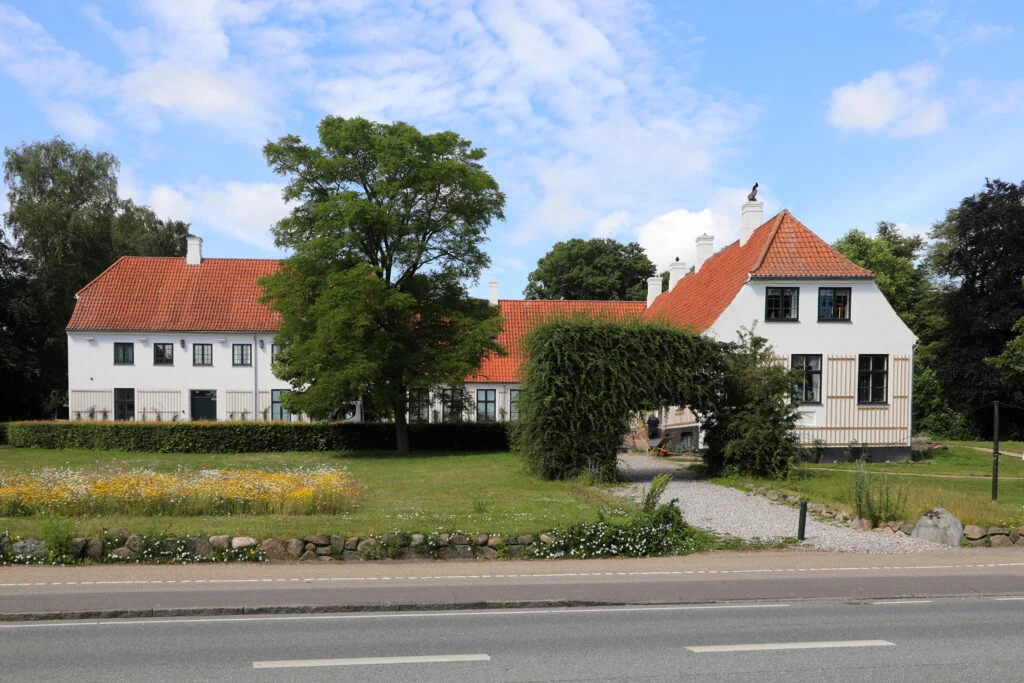
The initial impression of the Karen Blixen Museum is one of understated elegance and timeless calm. The museum is set within a charming 18th-century estate surrounded by well-tended gardens, which evoke the serenity that characterized much of Blixen’s later life. Visitors approaching the property encounter a traditional Danish architectural style, with red brick walls and a thatched roof that speak to the building's preserved historical integrity. The grounds themselves offer a blend of natural beauty and cultivated greenery, inviting a contemplative mood that complements the literary focus of the museum. Outside, discreet signage and tasteful landscaping seamlessly blend into the environment, ensuring that the visitor’s experience begins with a sense of respectful quietude and scholarly curiosity. There is a modest reception area where visitors can gather introductory materials before embarking on the guided tour or self-directed exploration.
Highlights and Key Exhibitions
The heart of the Karen Blixen Museum lies in its carefully maintained rooms and collections that bring the author’s personal and professional life into vivid relief. Visitors encounter original furnishings, manuscripts, photographs, and personal belongings that paint a nuanced portrait of Blixen both as a writer and as a woman of complex tastes and interests. The house’s interior retains the intimate scale and domestic details that reflect Blixen’s personality, including her extensive library, which showcases her broad intellectual pursuits ranging from literature to anthropology.
Among the standout features are the writing desk and study area where she composed some of her most acclaimed works, providing a tangible connection to her creative process. The museum’s exhibits also thoughtfully contextualize her time in Africa, with artifacts and photographs illuminating the dramatic and often challenging chapter of her life spent on the coffee plantation in Kenya. This dual focus on her European and African experiences offers visitors a deeper understanding of how these contrasting worlds shaped her narratives.
Additionally, curated displays highlight the evolution of her literary career, including first editions and translations of her works that underline her international reach. The museum’s use of subtle interpretive panels combined with original materials helps frame the significance of Blixen’s writing style and thematic concerns without overwhelming the visitor. Overall, the exhibits provide a well-rounded view of her multifaceted identity—not only as a literary figure but also as a cultural icon.
Visitor Experience
The Karen Blixen Museum is crafted to offer an immersive and thoughtful experience, with a strong emphasis on atmosphere and authenticity. The guided tours led by knowledgeable staff enhance the visit by providing insights into Blixen’s life and broader historical context, though some visitors may prefer a quieter, self-paced visit to absorb the tranquil surroundings. The museum’s layout encourages a relaxed flow from room to room, allowing a gradual unfolding of stories and objects that keep one engaged throughout.
Interpretive materials are clear and concise, with enough detail to satisfy literary enthusiasts while remaining accessible to those new to Blixen’s work. The audio guides, available in multiple languages, add an additional layer of information while allowing visitors to explore independently. The museum shop expands the visitor experience by offering a selection of editions of Blixen’s books, as well as carefully chosen gifts and scholarly publications related to her legacy.
One minor limitation for some could be the museum’s relatively small scale; while this intimate size creates a close connection with the author’s environment, it may feel limited to those seeking extensive or highly varied collections. Nonetheless, the quality and depth of the exhibits more than compensate, making every moment spent within the museum worthwhile and enriching.
Tickets, Access, and Planning
Planning a visit to the Karen Blixen Museum influences the overall experience, with attention to practical details needed to maximize one’s time. Entrance fees are reasonable and reflect the museum’s nonprofit, heritage-oriented mission. Discounts are often available for students, seniors, and groups, and family-friendly rates encourage visits by parents with children.
Opening hours tend to fluctuate seasonally, with longer hours during the summer months and more limited access in winter, so it is advisable to consult the official website ahead of time for the latest information. Booking in advance can be recommended during peak tourist periods to ensure availability, particularly for guided tours that may have limited capacity.
The museum is situated in a picturesque yet somewhat remote location, and public transportation options may be limited, making personal or hired vehicles the most practical means of arrival. Ample parking is typically provided onsite. Accessibility for visitors with mobility impairments is thoughtfully considered; the historic nature of the building does present some challenges, but efforts have been made to accommodate those with special needs wherever feasible.
Final Verdict
The Karen Blixen Museum stands as a compelling destination for anyone interested in a nuanced portrait of one of Denmark’s most revered authors. Its emphasis on preserving the authentic lived environment of Blixen, combined with carefully curated exhibits, offers an intimate glimpse into her life and work that is both educational and emotionally resonant. While it is relatively modest in size, this compact scale enhances rather than detracts from the overall experience, lending a sense of closeness and immediacy to the visit.
Strengths of the museum include its atmospheric setting, well-maintained historical interiors, and balanced presentation of Blixen’s European and African chapters, effectively highlighting the dual influences on her writing. The availability of guided and self-guided options caters well to diverse visitor preferences, and the additional resources provided through the museum shop and interpretive tools enrich the visit without overwhelming.
Some practical considerations, such as transportation logistics and seasonal hours, may require advance planning, but these do not diminish the intrinsic value of the museum. In a cultural landscape often dominated by larger, more commercial institutions, the Karen Blixen Museum offers a quietly profound experience that honors literary heritage in a setting of genuine authenticity.
In summary, the museum is a rewarding exploration of a literary figure whose themes of identity, memory, and cross-cultural encounter continue to resonate today. For lovers of literature, history, and Scandinavian culture alike, this museum embodies a unique and enduring charm that merits inclusion on any thoughtful cultural itinerary in Denmark.