Jewish Museum Berlin Review
Jewish History Museums · Berlin, Germany. The Jewish Museum Berlin occupies a significant place within the cultural and historical landscape of Germany. Established in 2001, the museum is dedicated to exploring the multifaceted history and culture of Jewish life in…
Jewish History Museums · Berlin, Germany. The Jewish Museum Berlin occupies a significant place within the cultural and historical landscape of Germany. Established in 2001, the museum is dedicated to exploring the multifaceted history and culture of Jewish life in…
Best forScience, technology, hands-on learning
Review focusExhibits, interpretation, visitor flow
Historical Context
The Jewish Museum Berlin occupies a significant place within the cultural and historical landscape of Germany. Established in 2001, the museum is dedicated to exploring the multifaceted history and culture of Jewish life in Germany from the Middle Ages to the present. Its foundation came at a time when Germany was actively seeking to reconcile with its tumultuous past, particularly the tragedies of the Holocaust, and to foster a deeper understanding of Jewish contributions to the country’s social and cultural fabric. The museum endeavors to present Jewish history not only as a narrative of suffering and persecution but also as one of resilience, creativity, and continuity. It offers a comprehensive perspective on Jewish-European relations, the complexities of identity, and the legacy of anti-Semitism, situating these themes within broader national and international contexts. This layered approach encourages visitors to engage thoughtfully with historical memory and contemporary issues regarding tolerance and diversity.
What You See on Arrival
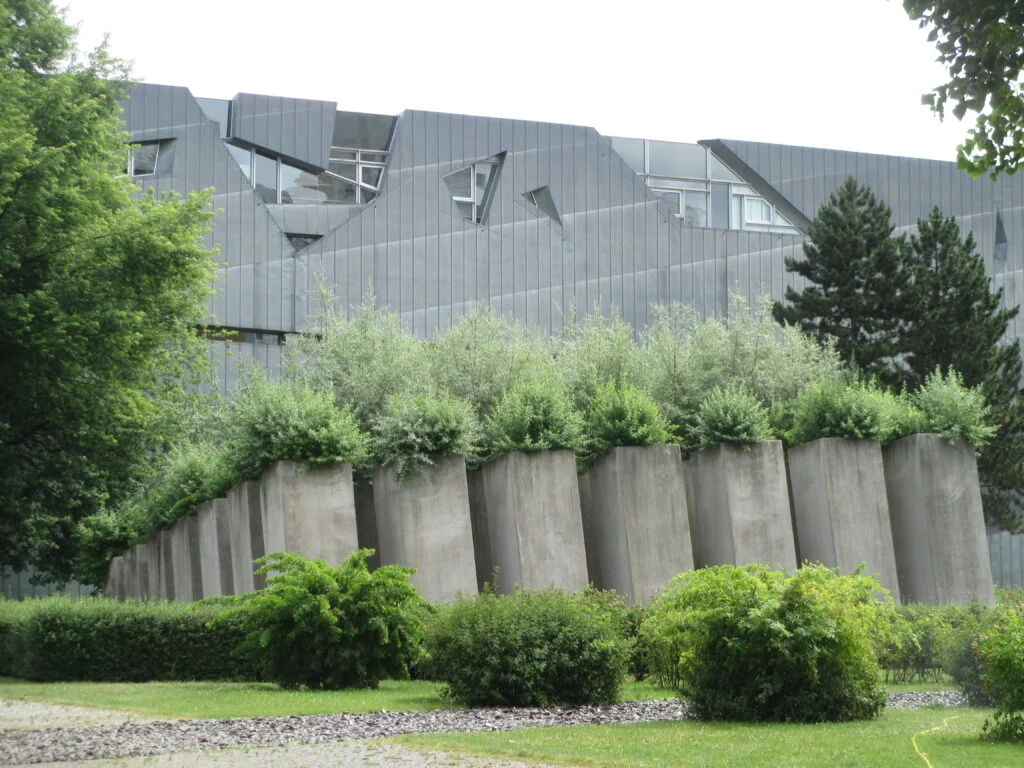
Approaching the Jewish Museum Berlin, visitors first encounter its striking architectural presence, designed by the renowned architect Daniel Libeskind. The building itself functions as a profound artistic statement, symbolizing fractured history through its bold zigzag form and sharp angles. The jagged exterior, punctuated by irregular windows and void spaces, immediately sets a tone of reflection and disruption. The museum’s location in the Kreuzberg district situates it in a lively and diverse neighborhood that contrasts with the solemnity of what is presented inside. Upon entering, visitors find themselves in a space where light and shadow play across concrete walls, underscoring the museum’s themes of absence and memory. The integration of architectural symbolism and exhibition design starts from the moment of arrival, inviting contemplation before one even engages with the artifacts and stories housed within.
Highlights and Key Exhibitions
The Jewish Museum Berlin’s permanent exhibition is the cornerstone of its offerings, meticulously curated to provide a sweeping narrative of Jewish life and history in Germany over more than a millennium. Displayed within a series of carefully segmented yet interconnected galleries, the exhibition delves into epochs such as the medieval period, Enlightenment, the 19th century with its Jewish emancipation movements, and the devastating impact of the Nazi regime. A poignant section is dedicated to Jewish traditions and religious practices, offering visitors insight into the cultural richness that persisted despite adversity.
The museum’s architecture merges with the storytelling, notably through the concept of “voids”—empty, empty spaces penetrating the building’s core—that represent the lives lost and cultural voids created by the Holocaust. These voids are both symbolic and literal invitations to reflect on absence and loss. Among the standout exhibits are personal artifacts, documents, and multimedia presentations that create an immersive educational experience. The medal room, featuring the “Garden of Exile” and the “Holocaust Tower,” provides emotionally charged environments to engage with the themes of displacement and suffering.
In addition to the permanent displays, the Jewish Museum Berlin hosts a diverse range of temporary exhibitions, scholarly talks, and cultural events throughout the year. These often explore contemporary Jewish issues, art, and history, bridging past and present in dynamic ways. The museum also houses a rich archive and research center that supports ongoing academic inquiries into Jewish life and heritage.
Visitor Experience
The visitor experience at the Jewish Museum Berlin is crafted to blend intellectual stimulation with emotional engagement. The layout encourages a nonlinear exploration, allowing visitors to move through history and thematic spaces at their own pace, which helps accommodate varying levels of prior knowledge and interest. Audioguides and detailed explanatory panels provide valuable context, while interactive installations enable a more personal connection to the narratives.
The museum’s commitment to accessibility is notable, with thoughtful accommodations for visitors with disabilities and multilingual information available in several languages, reflecting Berlin's global audience. The atmosphere within the museum is contemplative yet inviting, helped by well-designed seating areas and quiet corners for reflection. The museum shop offers carefully curated books, Judaica, and souvenirs that extend the educational experience beyond the galleries.
Visitor amenities such as a café serve as a comfortable spot for refreshment, fostering social interaction and further reflection on the themes encountered within the museum. Educational programmes for children, families, and schools reinforce the museum's role as a living institution committed to dialogue and learning across generations.
Tickets, Access, and Planning
Planning a visit to the Jewish Museum Berlin typically involves some strategic consideration, especially given the museum’s popularity and its place among Berlin’s leading cultural institutions. Admission is reasonably priced, with concessions available for students, seniors, and groups. Children under a certain age are usually admitted free, and there are special passes that combine entry with other Berlin museums. It is advisable to book tickets online in advance to avoid long queues during peak tourist seasons and special events.
The museum is conveniently accessible via public transportation, with nearby U-Bahn and bus stops connecting it to the wider city network. There is limited parking available for those who choose to drive, but public transit is recommended due to Berlin’s traffic conditions and the museum’s urban setting.
The museum regularly updates its opening hours, so prospective visitors should check current schedules on the official website before planning their trip. Additionally, the website provides detailed information about guided tours, audio guides, accessibility options, and upcoming exhibitions or events.
Final Verdict
The Jewish Museum Berlin stands as a powerful institution that succeeds in conveying the depth of Jewish history and culture within Germany through a compelling synthesis of architecture, narrative, and curatorial precision. Its layered approach to storytelling, which balances tragedy with resilience and cultural vibrancy, allows for an experience that is both intellectually enriching and emotionally resonant. While the building’s striking design may initially feel stark or challenging, it ultimately reinforces the museum’s themes and invites profound reflection.
This museum is essential not only for anyone interested in Jewish history but for all visitors to Berlin seeking a deeper understanding of the country’s complex past and the ongoing dialogue about identity, memory, and tolerance. The broad array of exhibitions, thoughtful visitor services, and ongoing programme of events make the Jewish Museum Berlin a dynamic space that continues to educate, commemorate, and inspire. Its presence within Berlin’s rich cultural tapestry underscores its importance as a site of remembrance and learning, ensuring its relevance for years to come.