Intrepid Museum Review
New York City, United States. The Intrepid Museum in New York City occupies a distinct place among maritime and military museums worldwide. Centering its collection around the aircraft carrier USS Intrepid (CV-11), the museum offers a window onto mid-20th-century…
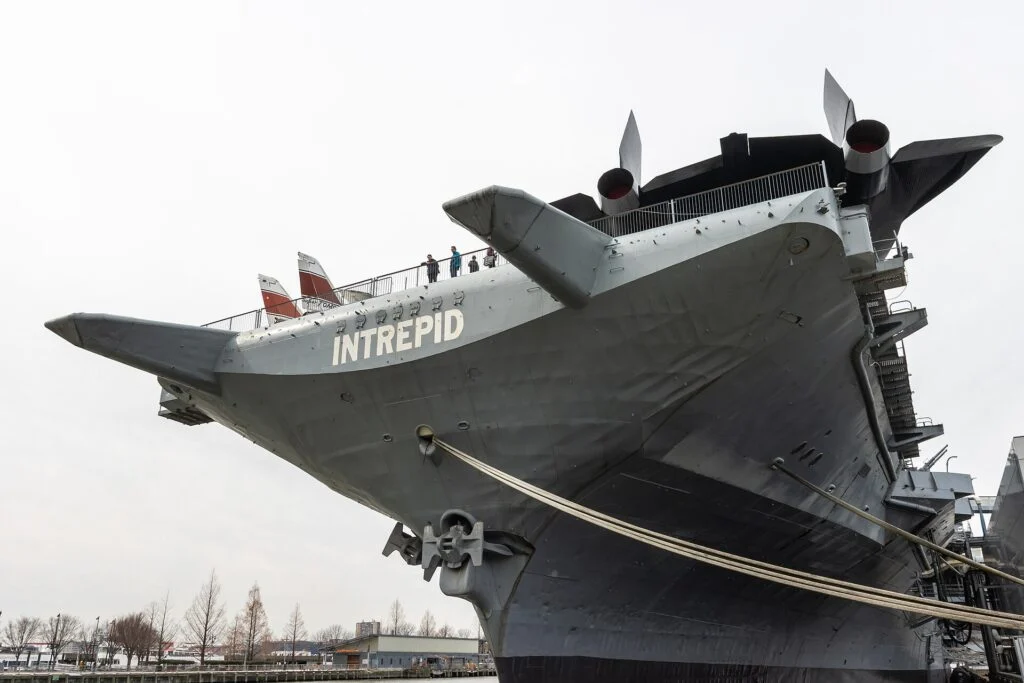
New York City, United States. The Intrepid Museum in New York City occupies a distinct place among maritime and military museums worldwide. Centering its collection around the aircraft carrier USS Intrepid (CV-11), the museum offers a window onto mid-20th-century…
Best forMuseum lovers, culture travelers, first-time visitors
Review focusCollections, visitor experience, and practical planning
Historical Context
The Intrepid Museum in New York City occupies a distinct place among maritime and military museums worldwide. Centering its collection around the aircraft carrier USS Intrepid (CV-11), the museum offers a window onto mid-20th-century naval history, aeronautics, and Cold War military technology. The USS Intrepid served through World War II, the Cold War, and even the Vietnam War before being decommissioned and repurposed as a museum in the early 1980s. This vessel’s transition from active service to a floating museum reflects a broader trend in preserving military vessels as tangible historical artifacts rather than scrapping them.
Situated on Pier 86 along the Hudson River, the museum’s location itself ties to technical and social histories of New York as a port and naval hub, especially given the city’s role during wartime mobilizations. The Intrepid’s story encapsulates not only naval warfare but also developments in aviation and space exploration. Over the years, the museum has expanded its collection and focus, incorporating aircraft and spacecraft that complement the carrier’s narrative. This allows visitors to examine significant technological advances and the human experiences linked with them.
While the museum, through its base ship, anchors this material history, it also reflects postwar American military culture and public memory. It addresses large themes such as innovation, conflict, and national identity but rooted in the tangible reality of planes on deck and the cramped quarters below. Since its establishment, the Intrepid Museum Trust has aimed to engage broad audiences—from military history enthusiasts to families and school groups—which shapes how exhibitions are presented and interpreted.
What You See on Arrival
Visitors approaching the Intrepid Museum immediately encounter the museum’s central artifact, the aircraft carrier USS Intrepid itself. The sheer size and profile of the ship dominate the immediate surroundings and act as an unmistakable visual identity. Pier 86 extends along the Hudson River, and the carrier is berthed directly alongside, moored as both the museum’s main exhibit and anchor.
The space outside and on the pier sets the tone for the visit. The sight of the ship’s flight deck, its distinctive superstructure, and the naval gray color palette communicates a maritime and military atmosphere. The carrier’s scale is imposing but also functional rather than decorative—signaling a vessel designed for efficiency and toughness. For many visitors, the ship itself forms the primary visual marker and context for what follows inside.
Adjacent to the ship’s bulkhead, the museum’s entrance facilities and visitor center present a more conventional museum environment, with interpretive and ticketing functions. These spaces serve as a transition from urban waterfront to historic naval vessel, establishing a frame for the thematic journey inside. The combination of ship and modern visitor facilities emphasizes the hybrid nature of the museum, as both a historical monument and a contemporary educational institution.
Highlights and Key Exhibitions
The Intrepid Museum’s core attraction is unquestionably the USS Intrepid—the aircraft carrier is maintained as a floating museum, with access to various parts of the ship allowing visitors to glimpse operational spaces, from the hangar deck to the captain’s bridge. This access provides a rare perspective on naval architecture, shipboard life, and wartime operations. The ship itself is a complex artifact, revealing layers of technological evolution, material culture, and tactical design characteristic of mid-century aircraft carriers.
On the flight deck, a number of historic aircraft remain on display. These include jets and propeller-driven planes representing different branches of the U.S. military and eras of aviation history. While the exact roster of aircraft can change due to maintenance or reinstallation, typical examples include the A-12 Avenger, A-1 Skyraider, and F-14 Tomcat, illustrating developments in speed, armament, and mission profile. The presence of a Concorde and the British Airways Boeing 747, when included in the museum’s aviation collection at times, underscores the Intrepid’s broader emphasis on aeronautical history beyond military applications.
Below decks, spaces such as the captain’s quarters, crew berths, and machinery rooms allow visitors to appreciate shipboard conditions and command structures. Exhibits here often include equipment used by the crew—clothing, tools, navigation devices—and interpretive materials explaining day-to-day operations. The contrast between cramped living quarters and expansive flight deck reveals the human dimension of naval service.
The museum’s aerospace component features the Space Shuttle Enterprise on display. This orbiter prototype showcases the nexus between naval and aerospace history, reflecting NASA’s early shuttle testing programs. Exhibits about space exploration are usually presented adjacent to the carrier, bridging maritime military innovation and technological advancements in flight beyond the atmosphere.
Additional museum galleries offer thematic presentations on naval warfare, Cold War technology, and the personal stories of service members. These exhibits typically incorporate multimedia elements, dioramas, and artifacts such as uniforms, weapons, and medals. While the museum’s collection focuses heavily on military technology and hardware, it also attempts to contextualize this material within broader historical and social frameworks, such as the strategic role of the Navy and the impact of aviation advancements on warfare.
Overall, the breadth of the Intrepid’s collection is particularly strong when it comes to 20th-century military aviation and naval history. However, because the vessel itself is the centerpiece, other narratives—such as post-military technological uses or international maritime history—receive less emphasis. This makes the museum strongest for visitors specifically interested in American naval aviation rather than general maritime history or contemporary global developments.
Visitor Experience
The visit to the Intrepid Museum combines the experience of exploring a large artifact—the aircraft carrier itself—with traditional gallery-based displays. The physical layout inherently shapes the pacing: moving through multiple decks, climbing ladders, and navigating tight corridors demands moderate physical exertion and some attentiveness to spatial orientation.
Interpretive materials rely on a combination of text panels, photographs, video kiosks, and occasional guided talks. These offer factual background on ship functions, aircraft specifics, and historical context. The museum generally strives for clear and accessible presentation, which suits both adult visitors with a specific interest in military history and families who may be encountering this material for the first time.
The extensive use of the ship as exhibit space adds authenticity and immediacy to the visitor experience. Locating artifacts in their original functional contexts—such as the flight deck, engine rooms, or command centers—helps avoid the artificial separations often found in display cases. This is a particular strength for understanding the operational and technical nature of naval aviation.
However, the museum’s emphasis on technical detail and equipment can occasionally marginalize broader social or critical perspectives. While there is attention to personal experiences and historical consequences, the narrative tends to focus on technological achievement and military valor. Visitors seeking in-depth analyses of political implications, peace movements, or non-military perspectives may find these aspects underdeveloped.
Crowd management and visitor flow can vary, especially on busy weekends. The ship’s confined spaces and staircases limit movement, which may slow the visit or reduce comfort for those with mobility challenges. Lines and wait times at peak periods are a possibility, since boarding the ship effectively serves as entering a sizeable but enclosed environment.
The museum’s target audience is wide-ranging but skewed toward individuals interested in military history, aviation enthusiasts, families looking for an educational outing, and tourists attracted to New York’s waterfront cultural offerings. The content is pitched at a general to intermediate level of knowledge, with more specialized or academic material less in evidence.
Tickets, Access, and Planning
Practical details such as operating hours, ticket prices, available discounts, or guided tour offerings should be verified directly with the museum’s official channels before planning a visit. The Intrepid Museum is situated at Pier 86 on Manhattan’s west side, which is accessible by public transportation and within walking distance of several city landmarks.
Visitors should consider physical readiness given the extensive walking, stairs, and limited elevator access to certain ship decks. Those with significant mobility limitations might find parts of the museum difficult to navigate. Physical accessibility options and accommodations can vary, so checking current services ahead is advisable.
The museum does not typically charge for casual outdoor access to the pier but requires admission for boarding the carrier and entering exhibition galleries. Given the high visitor volume, booking timed entry or tickets in advance is advisable when possible, especially during weekends, holidays, or school vacation periods.
Visitors with a focus on aviation or naval history should allocate several hours to fully appreciate the various decks, aircraft displays, and exhibit spaces. Conversely, those with a more general interest may streamline their visit to prioritize key areas such as the flight deck or the Space Shuttle Enterprise.
Final Verdict
The Intrepid Museum presents a compelling, concrete experience focused on naval and aviation history centered around a remarkable surviving aircraft carrier. Its principal strength lies in the layered authenticity and scale of the USS Intrepid itself, serving as a vessel to explore the realities of mid-20th-century naval operations and aviation technology. The addition of aircraft on deck and space artifacts like the shuttle broadens the scope and adds valuable context.
Interpretation is clear and approachable, suitable for a broad audience without delving deeply into contested or complex historiography. This focus makes the museum well-suited to families, military enthusiasts, tourists, and educational groups who seek a direct and largely factual engagement with American naval history and aviation heritage.
Limitations include the physical challenges posed by the carrier’s layout and some unevenness in thematic balance. The museum leans heavily on technical and operational narratives, with less attention to critical perspectives or international maritime histories beyond the U.S. military context. These factors may reduce appeal for visitors looking for a comprehensive cultural or geopolitical framing.
In all, this museum occupies a distinct niche in New York’s cultural landscape. Its main attraction, the USS Intrepid, remains a substantial and unusual artifact, offering a tactile and immersive way to connect with historical naval aviation. Prospective visitors should plan accordingly to accommodate the physical demands and consider confirming all practical details with official sources beforehand. The Intrepid Museum is a clearly defined institution with a focused mission that does well to present a complex aspect of 20th-century history through its centerpiece ship and related exhibits.