Hungarian National Gallery Review
Art Museums · Budapest, Hungary. The Hungarian National Gallery is a cornerstone institution for the visual arts in Hungary, housed within the imposing Buda Castle in Budapest. Established in 1957, the gallery functions under the Hungarian National Museum umbrella…
Art Museums · Budapest, Hungary. The Hungarian National Gallery is a cornerstone institution for the visual arts in Hungary, housed within the imposing Buda Castle in Budapest. Established in 1957, the gallery functions under the Hungarian National Museum umbrella…
Best forMasterpieces, architecture, cultural history
Review focusCollections, curatorial focus, and visitor planning
Historical Context
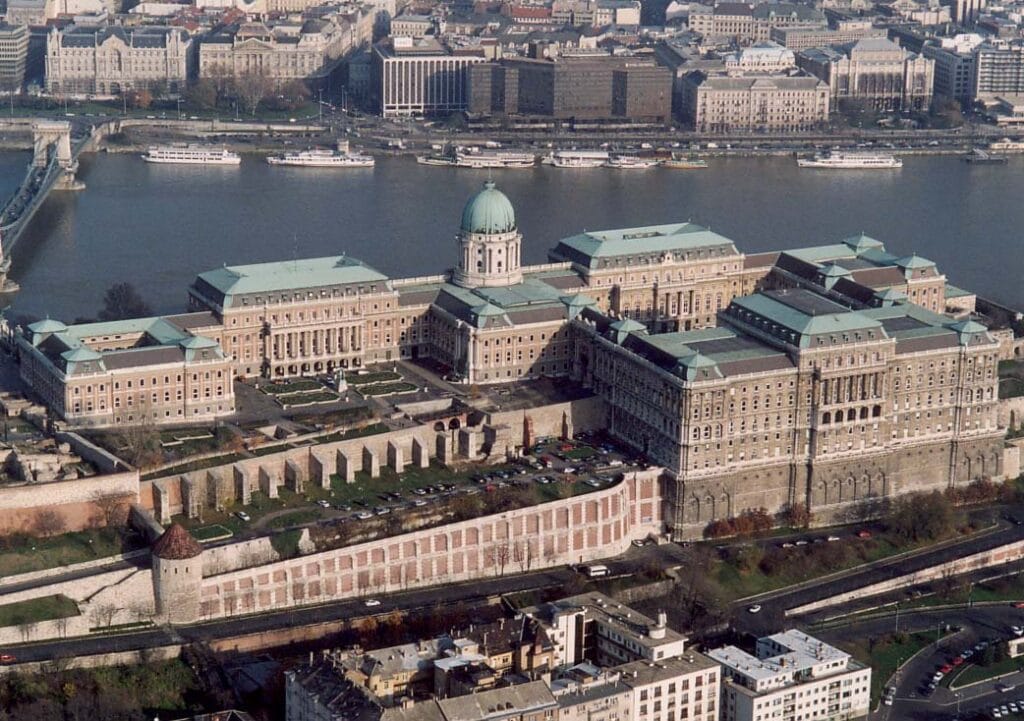
The Hungarian National Gallery is a cornerstone institution for the visual arts in Hungary, housed within the imposing Buda Castle in Budapest. Established in 1957, the gallery functions under the Hungarian National Museum umbrella and serves as the primary repository for the nation's art from the Middle Ages to the 20th century. Its location in the historic royal palace complex links the art on display to Hungary’s deep cultural and political past. This physical and thematic connection creates a dialogue between the works of art and the historical narratives of the region.
The gallery’s roots date back to earlier art collections formed in the late 19th and early 20th centuries, which sought to consolidate Hungarian art heritage amid the country’s complex history marked by empire, monarchy, and later socialist rule. Over the decades, the institution has progressively expanded the scope and depth of its permanent holdings. It has also been shaped by changing museological philosophies and political circumstances, from a nationalistic presentation of art to a broader acknowledgment of Hungary’s place within European artistic traditions. The gallery’s focus was to build a comprehensive collection that juxtaposes Hungarian art with its broader European interactions rather than isolating it as purely national. The Buda Castle setting, renovated and adapted repeatedly, underscores the gallery’s ambition to embody both historical legacy and contemporary public engagement.
What You See on Arrival
Visitors approaching the Hungarian National Gallery encounter a distinctive institutional presence. Situated within the fortifications and grand architecture of Buda Castle, the gallery’s access reflects its integration into a historical heritage site rather than a standalone modern museum building. The castle complex itself forms part of the first impression, framing the museum experience as one intertwined with Budapest’s historical urban fabric and monarchy-era identity.
The main entrance and initial reception areas communicate a sense of institutional gravitas consistent with a national art gallery. Visitors understand immediately that the museum represents an official, state-supported collection designed to reflect Hungary’s artistic achievements and historical narratives. The interior architecture, including grand staircases and large exhibition halls, hints at the traditional museum typology. The setting encourages reflection on art within the context of history and cultural identity.
From the outset, the gallery establishes a clear mission to present Hungarian art comprehensively within its European context. This framing shapes visitor expectations toward a collection-oriented, education-based visit rather than a highly commercial or entertainment-driven experience. The atmosphere is formal, with a focus on the artworks and their historical frames rather than visitor amenities or high-tech interpretation.
Highlights and Key Exhibitions
The Hungarian National Gallery’s permanent collection spans approximately a millennium of artistic production, with a particular strength in Hungarian art from the medieval period through the 20th century. For those interested in medieval and Renaissance art, the gallery holds religious sculptures, altarpieces, and panel paintings that reflect Hungary’s role in Central European Christian art traditions. Early Gothic stonework and wood carvings from regional churches are important components offering insight into local styles and devotional practices.
The Renaissance and Baroque eras are represented largely through paintings and decorative arts that illustrate the influence of Italian and Northern European courts on Hungarian aristocratic patrons. The gallery includes portraits, altarpieces, and landscapes that reveal the shifting tastes and cultural connections of the period.
A major focus of the collection lies in the 19th and early 20th centuries, a period when Hungarian national identity and artistic innovation were strongly intertwined. Here, permanent exhibitions often revolve around the development of a specifically Hungarian art style within the broader currents of European Romanticism, Realism, and Impressionism. Renowned names such as Mihály Munkácsy and Gyula Benczúr appear prominently, exhibiting both historical narrative scenes and portraiture.
The gallery also highlights the diverse contributions of artists connected to the Hungarian avant-garde and modernist movements of the early 20th century. This includes painters from the Nagybánya artists’ colony, which fostered the adaptation of plein-air techniques and Impressionist influences into Hungarian art, alongside later movements inspired by Expressionism and Cubism. Many works reflect the tension between rural and urban life, social upheaval, and individual artistic experimentation.
Sculpture and graphic art have significant representation. Notable 19th and 20th-century sculptors such as Miklós Ligeti appear in the permanent galleries, complementing the painting collections. The gallery also holds important prints, posters, and applied arts objects that provide a broader sense of Hungary’s visual culture.
The Hungarian National Gallery’s curators have structured exhibitions chronologically and thematically, allowing visitors to observe stylistic evolutions alongside historical change. While the emphasis is on Hungarian artists, the collection also situates their work in dialogue with international art movements, highlighting outward cultural exchanges without neglecting local specificities.
Visitor Experience
The Hungarian National Gallery is primarily suited to visitors with an interest in art history, Hungarian culture, and European visual traditions. The range of artworks on offer requires some degree of patience and curiosity, as much of the collection deals with stylistic developments and national identity formation that may not immediately engage a general audience seeking entertainment or blockbuster highlights.
Pacing a visit here involves moving through well-defined historical eras and thematic rooms. The museum’s layout in the castle can be complex due to the historic building’s design, which means wayfinding is sometimes a challenge. The extensive use of traditional exhibition practices—wall labels, didactic texts, maps—caters to visitors looking to deepen their knowledge but may not fit all learning styles or preferences for interactive display.
Interpretation is scholarly and measured but generally accessible. Information is provided primarily in Hungarian and English, a practical approach for diverse visitors. The museum does not rely on heavy multimedia or experiential exhibition techniques; instead, it trusts the strength of the works and the historical context to engage its audience. This can be a strength for those who prefer quiet contemplation but a limitation for families or younger visitors who may seek more dynamic engagement.
The flow through the various floors and galleries can be physically demanding for some, especially given the scale of the Buda Castle complex. It is advisable to pace visits with breaks and consider the museum’s larger setting, which includes other historic sites nearby. The gallery’s prominence as a national institution means it occasionally hosts official events that might affect public access in some areas.
Tickets, Access, and Planning
Information about ticketing and access should be verified on the official website before planning a visit, as hours, admission fees, group discounts, and tour offerings may vary seasonally or for special occasions. The museum is located in a central but hilly area of Budapest, requiring some walking or use of public transport connections to reach the castle district from other parts of the city.
Accessibility for visitors with reduced mobility may be limited by the historic nature of the building and its multiple floors. Prospective visitors with specific needs should consult official sources to determine current provisions. The gallery’s inclusion in the larger Buda Castle complex means access involves entrance to a historic site as well as a museum, which can entail security screening or entry protocols typical of prominent heritage locations.
The Hungarian National Gallery does not present itself primarily as a commercial venue; focus is on preservation and education rather than merchandise or hospitality services. Visitors should plan accordingly in terms of meals and breaks, as on-site facilities within the castle complex are limited compared to modern standalone museums.
Final Verdict
The Hungarian National Gallery stands as a significant institution for those interested in Hungarian art and its role within European cultural history. Its comprehensive permanent collection offers a solid, sometimes dense, overview of visual art from medieval times through to modernity, with particular strength in nationalist and modernist works. The gallery’s placement within Buda Castle aligns the art with a powerful historical narrative, reinforcing its status as a repository of national heritage.
However, the museum’s setting also enforces certain limits. The historic architecture can challenge visitor flow and accessibility, while the formal, traditional exhibition style may not meet the expectations of a broader international audience seeking interactive or family-friendly experiences. Those unfamiliar with Hungarian history or art might require additional context or preparation to fully appreciate the collection’s nuances.
For art historians, students, and culturally curious visitors with a specific interest in Hungary or Central Europe, the Hungarian National Gallery offers substantial scholarly value and rich visual material. For the casual tourist, it demands an engaged approach and some prior knowledge or interest to unlock the full experience. Planning a visit should include checking official sources for current operational details and combining the gallery with other cultural sites in the castle district for a fuller understanding of Budapest’s layered past.
In sum, the Hungarian National Gallery is not a museum that relies on spectacle; it depends on history, art, and place to convey its significance. Its strengths lie in depth and authenticity rather than gimmicks or high visitor throughput. Visitors who come prepared for this distinct character are likely to find its holdings both rewarding and instructive.