Houston Museum of Natural Science Review
Science Museums · Houston, United States. The Houston Museum of Natural Science (HMNS) is a long-established institution serving the city of Houston and the wider region since its founding in 1909. Originally launched from a modest collection focused on natural…
Science Museums · Houston, United States. The Houston Museum of Natural Science (HMNS) is a long-established institution serving the city of Houston and the wider region since its founding in 1909. Originally launched from a modest collection focused on natural…
Best forScience fans, families, hands-on learning
Review focusScience exhibits, innovation, and visitor planning
Historical Context
The Houston Museum of Natural Science (HMNS) is a long-established institution serving the city of Houston and the wider region since its founding in 1909. Originally launched from a modest collection focused on natural history, it has expanded extensively over the better part of a century. Its evolution reflects broader trends in American science museums: from emphasizing static displays of specimens and artifacts to incorporating interactive elements and multimedia presentations to connect with diverse audiences.
Situated in Houston, Texas, the museum has gradually grown into one of the largest natural science museums in the United States by attendance and physical scale. Its development mirrored Houston’s transformation into a major metropolitan and cultural center, underpinned by Texas’s vast natural resources and burgeoning scientific research communities. Over decades, the museum has actively fostered partnerships with local universities, scientific organizations, and community groups, enhancing its research profile and educational outreach.
The museum’s history is intertwined with regional interests such as paleontology—reflecting Texas’s rich fossil heritage—and energy-related sciences, given Houston’s status as an oil and gas hub. The permanent collections and exhibitions speak to this dual legacy of natural history and applied scientific research. While its growth has not been without challenges, including evolving visitor expectations and budgetary pressures common to many large public institutions, the Houston Museum of Natural Science remains a notable example of a city museum adapting to serve both scholarly and popular audiences.
What You See on Arrival
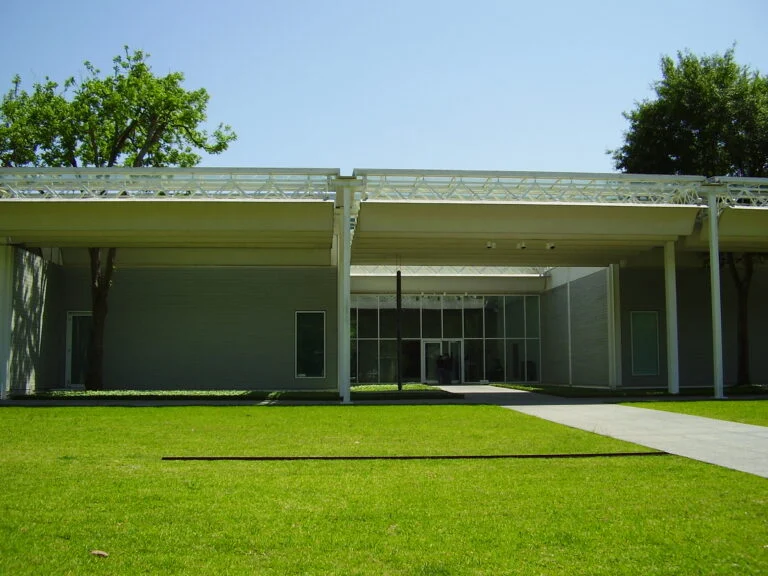
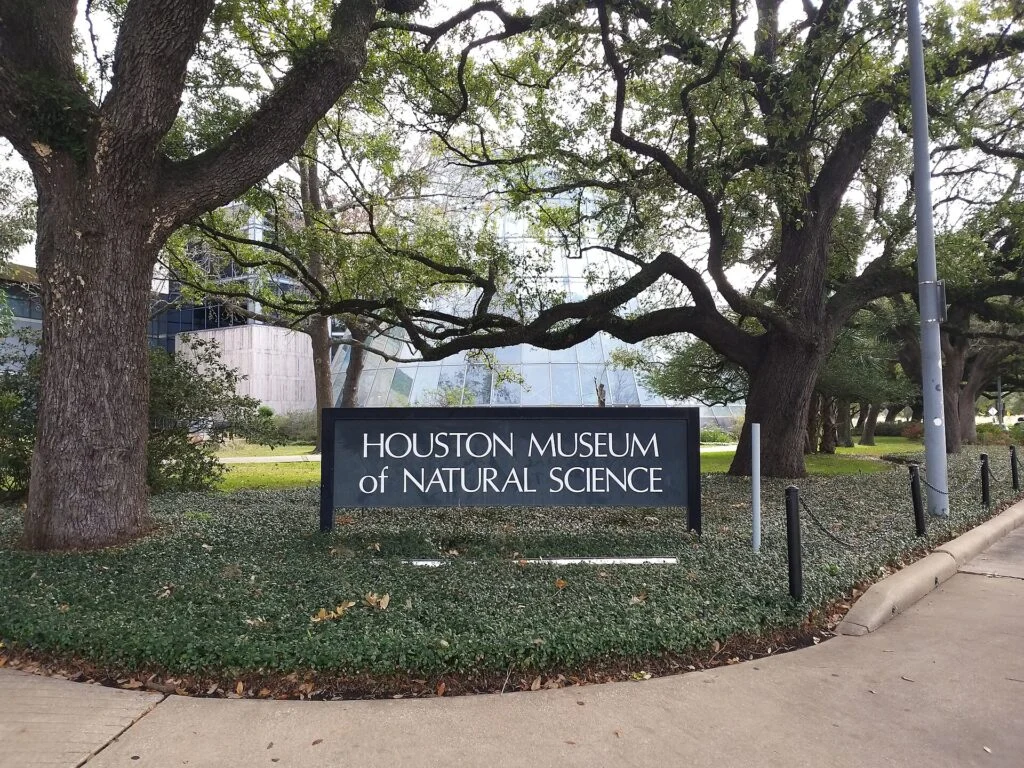
Approaching the Houston Museum of Natural Science, visitors encounter a large, modern complex located in Hermann Park, a well-known cultural district in Houston. The museum's exterior architecture presents a prominent yet functional eclecticism rather than a single monumental style. Multiple interconnected buildings house the museum’s varied departments. The design communicates a sense of institutional depth and variety but does not overwhelm with flamboyance or excessive ornamentation.
Upon entering, the main foyer typically introduces visitors to the museum’s scope, offering orientation through signage and introductory exhibits. The spatial layout channels foot traffic towards the main galleries, where the collection’s major themes unfold. Visitors might first notice the balance between traditional display cases, open exhibition areas, and designated spaces for rotating exhibits. The building's arrangement and wayfinding signage emphasize clarity, helping manage visitor flow across a large footprint.
The reception area often serves as a mental threshold, framing the museum as a destination for families, school groups, and general visitors interested in earth sciences, natural history, and related disciplines. It suggests a focus on education and engagement rather than mere spectacle. This framing aligns with Houston’s diverse population, inviting a broad spectrum of guests—from casual visitors to more committed enthusiasts of the natural world and its scientific study.
Highlights and Key Exhibitions
The core substance of the Houston Museum of Natural Science lies in the breadth and depth of its permanent collections, which span paleontology, mineralogy, anthropology, astronomy, and biology. Covering millions of years of natural history, its fossils and minerals are especially prominent.
The paleontology galleries form a central attraction, featuring significant dinosaur skeletons and fossilized remains from North America and beyond. These exhibits provide detailed information on species, geological periods, and paleoenvironments. The HMNS collection includes notable specimens such as a sizable T. rex skull, Triceratops mounts, and marine reptiles like mosasaurs. The displays contextualize these fossils with reconstructions of prehistoric ecosystems through interpretative panels and dioramas, designed to inform without overwhelming casual visitors.
The Cullen Hall of Gems and Minerals is another highlight. It houses a large collection of both aesthetic and scientifically significant specimens, showcasing the diversity of mineral forms, colors, and crystalline structures. Attention is given not just to beauty but to the geological processes that produce these minerals, making this gallery appealing to both amateur collectors and those seeking deeper geological insight.
The Farish Hall of Texas Wildlife offers an extensive overview of the state’s fauna through mounted specimens and habitat dioramas. This collection emphasizes regional biodiversity and conservation themes. Naturalistic displays recreate environments ranging from Gulf Coast marshes to prairie landscapes, offering an introduction to Texas’s ecological variety and the interplay between species and environment.
Astronomy is also well-represented, housed within the George Observatory component and planetarium. The museum presents a mix of technical instruments and accessible exhibits on space science, stellar evolution, and the solar system. While the planetarium is a separate venue, its programming complements the museum’s broader scientific narrative by bringing complex astronomical concepts to general audiences through shows and displays centered on current space exploration.
Anthropological and archaeological materials provide insights into the human story, with collections emphasizing indigenous cultures of the Americas and aspects of ancient civilizations. These exhibits focus on material culture, ritual objects, and technological innovations, situating human developments within larger historical and environmental contexts.
Overall, the balance between presenting scientific information and engaging visuals is a recurring theme. The permanent installations generally maintain high scholarly standards while aiming to be accessible to a wide visitor demographic. This makes the museum more than a repository of objects; it serves as an educational platform bridging scientific research and public understanding.
Visitor Experience
Visitors to the Houston Museum of Natural Science can expect a substantial but navigable experience. The museum’s size and scope allow for segmented visits—patrons may choose to focus on a single gallery or sample multiple areas depending on time and interest. However, the extensive collection means that a comprehensive visit requires a considerable time commitment.
Interpretative materials typically include clear signage, labels, and explanatory panels positioned near exhibits. These are generally straightforward, aiming to communicate essential scientific facts and narratives while avoiding overly technical jargon. The text and graphics accommodate varying levels of prior knowledge, catering to both families introducing children to natural history and adults with more advanced interests.
The museum strives to engage diverse audiences through hands-on exhibits and educational programming. These features are frequent in the natural science field, and the Houston Museum of Natural Science is no exception; they enhance learning and retention by encouraging active participation. However, such interactive components are sometimes concentrated in specific wings or temporary installations rather than uniformly integrated throughout the museum.
Crowd management is likely an important aspect of the visitor experience at peak times, particularly for popular sections such as the dinosaur galleries and planetarium events. The spatial organization generally supports good circulation, although the museum’s popularity may lead to some congestion on weekends or holidays. Visitors seeking quieter experiences might consider weekday visits or exploring less trafficked galleries.
For those with specialist interests—geology, paleontology, or astronomy—the museum offers well-curated content, though expert-level detail may not be the primary focus. The exhibits are designed for broad appeal rather than intensive academic inquiry, so researchers or professionals may find some presentations somewhat introductory but still valuable as public engagement efforts.
Tickets, Access, and Planning
Prospective visitors should consult the museum’s official website for up-to-date information on admission policies, operating hours, accessibility features, and any requirements for advance booking. Details about potential discounts or group rates, special event schedules, and educational group visits are also best verified directly.
The museum's location in Hermann Park likely provides convenient access via multiple transportation options, including public transit and nearby parking facilities. However, as with any major city institution, visitors should plan for typical metropolitan traffic conditions and consider arrival times accordingly.
While the museum is designed to accommodate a wide range of visitors, including families and school groups, individuals with specific needs should inquire ahead about available accessibility services. The complexity of the museum’s physical layout and its capacity management policies may affect those with mobility or sensory impairments.
Advance planning might be advisable during holiday periods or for special public programming, though the museum generally allows flexible walk-in attendance.
Final Verdict
The Houston Museum of Natural Science offers a substantial presentation of natural history subjects with particular strength in paleontology, mineralogy, and regional ecology. Its collections are curated to balance scientific accuracy with public accessibility, making it suitable for families, educators, and general visitors seeking a comprehensive overview of natural sciences.
Its size and variety mean it caters to a broad audience, but this also requires visitors to prioritize sections if time is limited. The museum’s interpretative approach focuses on clarity rather than specialist depth, providing solid foundational knowledge rather than exhaustive analysis. This makes it a good entry point for those new to these disciplines or visitors looking for an informative but approachable museum experience.
While the theater and planetarium components add valuable dimensions related to astronomy and space exploration, they remain somewhat distinct from the main natural history narrative. This separation may limit the coherence of the visit for those expecting an integrated interpretation of earth and space sciences.
Overall, the Houston Museum of Natural Science fulfills its role as a major urban natural history institution with considerable strengths in specimen-based exhibits and educational programming. Those planning a visit should prepare for the museum’s scale and consider their own interests in selecting galleries to maximize impact. Checking official resources in advance is necessary to confirm practical details that may impact the visit. In sum, the museum holds a respected place within Houston’s cultural landscape, offering accessible science and nature exhibits well-suited to a diverse, family-oriented public.