Space Center Houston Review
Space Museums · Houston, United States. Space Center Houston, located in Houston, United States, serves as the official visitor center for NASA’s Johnson Space Center. It stands as a testament to the United States’ achievements in space exploration and the…
Space Museums · Houston, United States. Space Center Houston, located in Houston, United States, serves as the official visitor center for NASA’s Johnson Space Center. It stands as a testament to the United States’ achievements in space exploration and the…
Best forScience, technology, hands-on learning
Review focusCollections, visitor experience, and practical planning
Historical Context
Space Center Houston, located in Houston, United States, serves as the official visitor center for NASA’s Johnson Space Center. It stands as a testament to the United States’ achievements in space exploration and the ongoing efforts to understand and explore the cosmos. Established to connect the public with the history and future of spaceflight, the center offers a comprehensive narrative that spans from early space endeavors to the modern era of lunar and Mars exploration plans. As Houston is home to NASA’s human spaceflight program, this institution holds significant cultural and scientific value, bridging the gap between the general public and the complex world of astronautics. The center emphasizes educational outreach and inspires visitors with firsthand stories and artifacts that chart human progress beyond Earth’s atmosphere.
What You See on Arrival
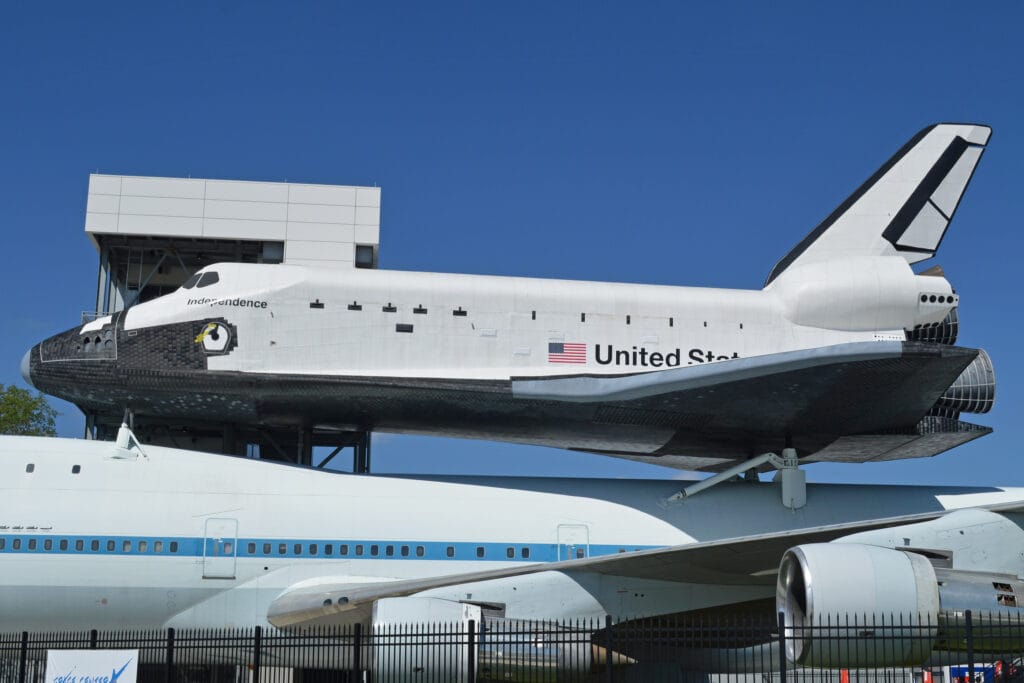
Upon arriving at Space Center Houston, visitors are immediately greeted by a striking modern building designed to accommodate a wide array of educational and interactive displays. The entrance area is spacious and well-organized, featuring an impressive lobby that includes visitor services and orientation spaces. Large signage and NASA-inspired branding set the tone for a deeply immersive experience. Outside, the sight of historic spacecraft and rockets on display captures attention, creating a palpable excitement and anticipation. The plaza often features iconic space hardware, such as replicas of command modules or space capsules, which serve as powerful visual anchors that encapsulate the center’s mission to showcase space exploration tales.
Highlights and Key Exhibitions
Space Center Houston’s exhibitions are thoughtfully curated to provide both breadth and depth concerning space exploration. Among the key attractions is the collection of genuine spacecraft and artifacts that chronicle milestones from the Mercury, Gemini, and Apollo programs to the Space Shuttle era and the International Space Station. Visitors can view historic spacecraft including a full-size replica of the Saturn V rocket, which symbolizes America’s lunar ambitions, and authentic spacesuits worn by astronauts in various missions, providing a tangible connection to the human element of space travel.
The center’s “Starship Gallery” houses numerous interactive exhibits and flight simulators, allowing visitors to engage actively with concepts of spaceflight mechanics and astronaut training. The “Mission Mars” exhibition details the challenges and technologies involved in Mars exploration, bridging current science with imaginative visions for humanity’s next giant leap.
One particularly notable exhibition is the chance to learn about the Mission Control Center, where ground control to astronauts is demonstrated. This often includes multimedia presentations and sometimes guided commentary that bring to life the tension and coordination required during missions.
For visitors with an interest in history and technology, the museum offers detailed displays on the evolution of space instruments, satellite communications, and exploration vehicles, showcasing human ingenuity and perseverance in overcoming the harshness of space.
Visitor Experience
The visitor experience at Space Center Houston is crafted to be both educational and enjoyable, catering to a wide range of ages and interests. The facility is large and well laid out, encouraging guests to spend several hours exploring. Interactive exhibits, multimedia presentations, and guided tours create an immersive environment that promotes learning through engagement.
Staff and volunteers are knowledgeable and approachable, often providing additional context and anecdotes that enrich the visit. The center is notably family-friendly with dedicated zones and activities for children, ensuring that younger visitors are captivated and inspired. Audio guides and supplementary materials enhance self-directed exploration.
The center also hosts occasional talks and presentations by astronauts and experts, though it is best to consult the official website for updated program schedules. On-site amenities such as cafes, gift shops, and comfortable seating areas contribute to a well-rounded visit, allowing guests to recharge before continuing their journey through space history.
Tickets, Access, and Planning
Space Center Houston offers a straightforward ticketing system with options for single-day admission and combination packages that may include special tours or events. Pricing is competitive for a major institution of this caliber, with concessions available for children, seniors, and groups. Booking tickets online in advance is recommended, especially during peak tourist seasons, as it can save time and ensure entry.
The center is designed with accessibility in mind. Wheelchair access is facilitated throughout the building, and exhibits often include features to support visitors with hearing or visual impairments. Ample parking is available on-site, and the venue is accessible by public transportation.
For those planning a visit, it is advisable to allocate at least three to four hours to experience the most significant exhibitions comfortably. The official website provides detailed maps, event calendars, and visitor guidelines that assist in planning. Nearby accommodations and dining options in Houston complement a visit, making Space Center Houston a viable destination for both short stops and longer educational trips.
Final Verdict
Space Center Houston stands as one of the premier destinations for anyone interested in the story of space exploration. It presents a rich, layered experience that combines awe-inspiring artifacts with cutting-edge interactive displays and engaging educational programming. The center’s connection to the Johnson Space Center lends authenticity and immediacy to its narrative, showcasing the reality of human spaceflight alongside the visionary goals of future missions.
While some portions may feel dense for casual visitors less acquainted with technical details, the balance of hands-on exhibits and storytelling helps maintain broad appeal. The well-managed visitor infrastructure ensures comfort and accessibility, making it suitable for families, students, and enthusiasts alike. Though it is a significant commitment of time and effort to fully absorb the offerings, the insights gained are substantial.
In summary, Space Center Houston succeeds in its mission to inspire, educate, and celebrate humanity’s achievements beyond Earth. It is a must-visit for those seeking not only to learn about space history but also to glimpse the frontier of exploration that lies ahead.