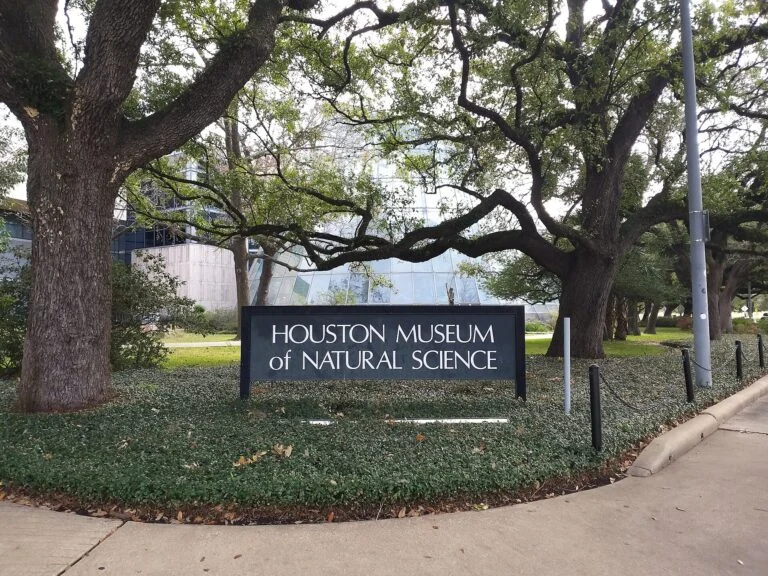
Houston Museum of Natural Science
Science Museums · Houston, United States. The Houston Museum of Natural Science is a major institution in Houston, Texas, focusing on natural history, science, and related fields. Established in the early 20th century, it has grown substantially over the decades…
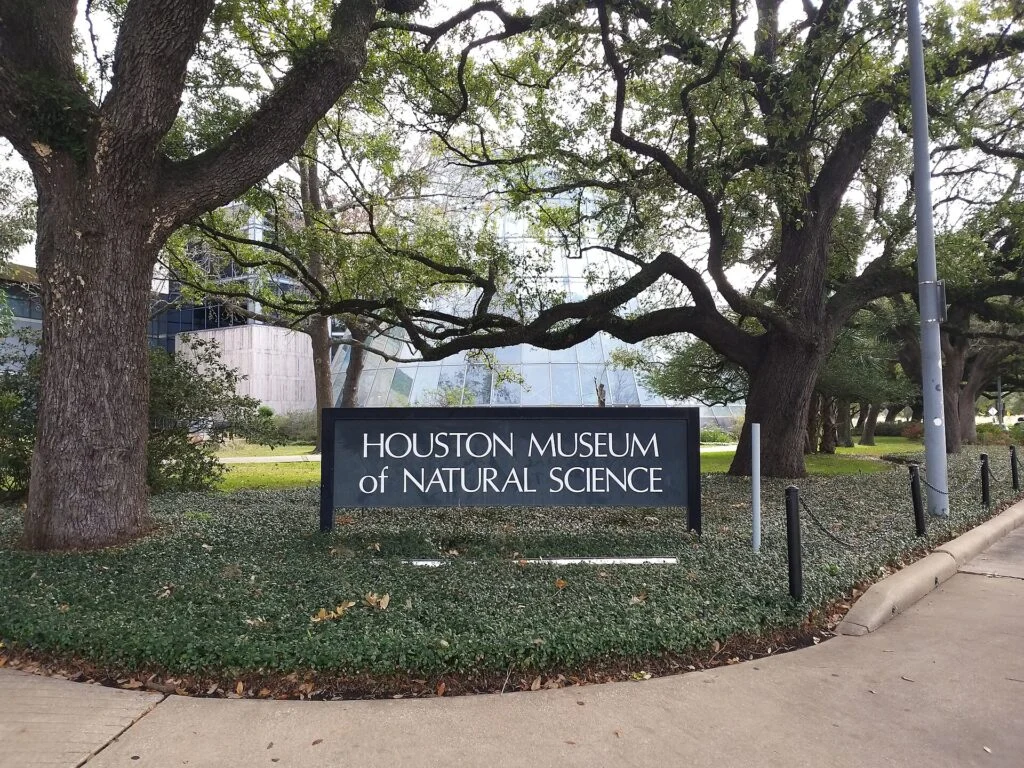
Best forScience fans, families, hands-on learning
Setting / nearbyHouston, United States
Overview
The Houston Museum of Natural Science is a major institution in Houston, Texas, focusing on natural history, science, and related fields. Established in the early 20th century, it has grown substantially over the decades to become a prominent museum with a broad appeal. The museum’s emphasis lies in educating the public about the natural world, including subjects such as paleontology, geology, biology, anthropology, and astronomy. Its role extends beyond simple display; it serves as a center for research, education, and public engagement, aiming to deepen understanding across diverse scientific disciplines.
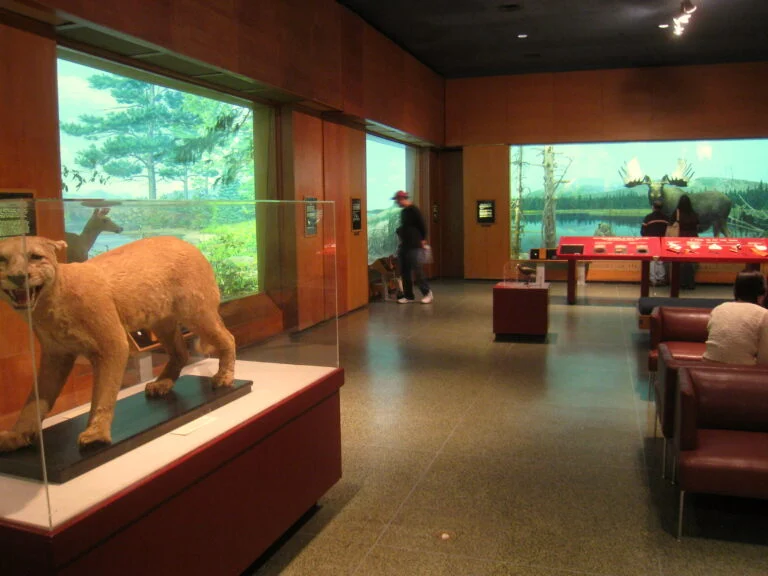
The museum is often recognized for combining traditional natural history exhibitions with modern scientific topics and technologies. While it is clearly oriented toward families and school groups, it also draws visitors interested in more detailed scientific content. The institution’s scope makes it a significant example of a comprehensive natural history museum in the southern United States. It is situated within Houston’s Museum District, an area that includes other prominent cultural and educational institutions, making it convenient for visitors interested in a broader cultural itinerary.
Collection Highlights
The Houston Museum of Natural Science’s collection covers a wide range of subjects. One prominent area is its extensive fossil collection, which includes dinosaurs and prehistoric marine creatures. These exhibits offer visitors a chance to observe both complete skeletons and fossilized remains, accompanied by geological context and interpretive displays. This section is often a focal point for visitors due to its scale and the enduring public interest in paleontology.
Another significant area is the mineralogy and gem collection. The museum houses a variety of minerals and gemstones from around the world. These exhibits provide insight into Earth sciences and the natural processes that form these materials. The specimens are typically well displayed with informative labels that explain their formation, chemical composition, and uses. For those interested in geology, this section can be especially rewarding.
The anthropological and cultural exhibits shed light on human history and civilizations, presenting artifacts and information about ancient societies, human evolution, and archaeology. These displays are designed to connect natural science with human development and cultural contexts. While not an art museum, some of the cultural artifacts are notable for their craftsmanship and historical significance.
Additionally, the museum includes a space science section with exhibits on astronomy and space exploration. This area may include models, scientific instruments, and multimedia presentations related to planets, stars, and advances in understanding the cosmos. The science of astronomy complements the Earth sciences presented elsewhere in the museum.
Special exhibitions, which change periodically, bring additional scientific topics or thematic displays to the museum, though specific past or future exhibitions would require checking current schedules. These rotations help keep the museum’s offerings dynamic and relevant.
Building and Setting
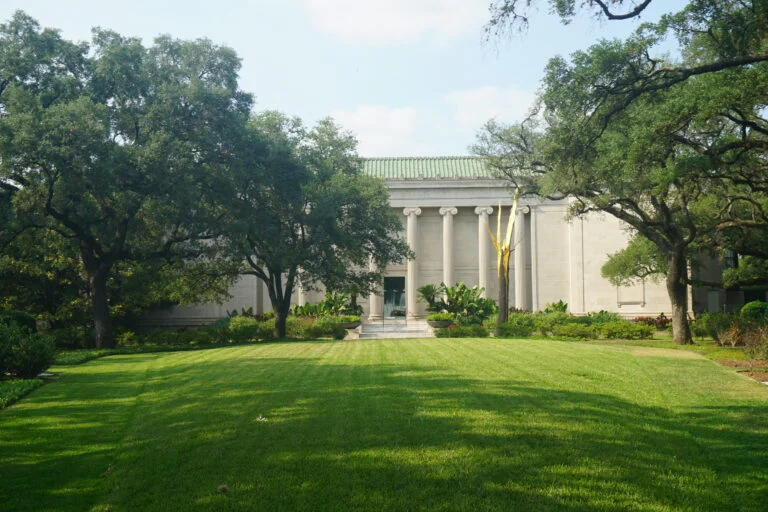
Located in Houston’s Museum District, the museum occupies a prominent site that is accessible from various city points. The building itself reflects functional design choices suited to a multifaceted museum with laboratories, exhibition halls, theaters, and educational spaces. It is not primarily noted for architectural innovation but serves well the purposes of display and visitor movement.
The museum complex includes several specialized facilities. Noteworthy are the planetarium and the Burke Baker Hall of Entomology, which add to its range beyond traditional natural history exhibits. The layout tends to guide visitors through chronological or thematic sections to facilitate understanding of the natural sciences.
The surrounding area’s urban setting means the museum is part of a larger cultural and educational neighborhood. Public transportation options and museum district pathways can make it accessible for those without private vehicles. However, visitors should verify the most current local arrangements for access and parking.
Practical Information
Visitors planning to go to the Houston Museum of Natural Science should verify details such as opening hours, admission fees, and available tours on the museum’s official website, as these elements can change. Confirming this information before a visit is particularly important because occasional special exhibitions or events may alter standard operations.
The museum is generally suited to a wide audience, from children to adults with scientific interests. Those planning longer visits might consider dividing time between permanent and special exhibitions. Because the institution includes spaces like a planetarium and Butterfly Center, visitors may wish to allocate extra time depending on their interests.
Information about accessibility, guided tours, or audio guides should be sought directly from the museum, as published details may vary. It is advisable for visitors requiring accommodations or specific services to check in advance to plan accordingly.
Why Visit
The Houston Museum of Natural Science offers an extensive look at natural sciences through carefully curated collections and educational displays. Its strength lies in combining various scientific fields under one roof, appealing to those interested in paleontology, geology, anthropology, and astronomy alike. For families, the interactive elements and visual displays can encourage curiosity and learning, while scholars or enthusiasts may appreciate the depth in particular collections.
Visitors interested in the development of scientific understanding will find exhibits that provide context for Earth’s history and human interaction with the natural world. While the museum is not focused on art or cultural history in isolation, it incorporates these themes where relevant to natural science.
The museum’s location in Houston’s Museum District also presents a convenient option for travelers who want to include a natural science perspective amid other cultural experiences in the city. Its role as both a public museum and research center adds to its significance within the Texas and broader scientific community.
Limitations include the fact that the museum’s permanent collection, though broad, cannot cover every aspect of natural science, and some visitors may wish for more emphasis on emerging scientific fields or interactive technology. Additionally, crowds can be substantial during peak times, particularly school holidays, which may influence the visitor experience.
In summary, the Houston Museum of Natural Science stands as a comprehensive educational museum in Houston, offering substantial content for those interested in natural history and related sciences. Prospective visitors should prepare by checking current visitor information, allowing for a well-informed and comfortable visit tailored to their interests.