Hiroshima Peace Memorial Museum Review
Memorial Museums · Hiroshima, Japan. The Hiroshima Peace Memorial Museum stands as a poignant testament to one of the most tragic events in modern history: the atomic bombing of Hiroshima on August 6, 1945. This event marked a pivotal…

Memorial Museums · Hiroshima, Japan. The Hiroshima Peace Memorial Museum stands as a poignant testament to one of the most tragic events in modern history: the atomic bombing of Hiroshima on August 6, 1945. This event marked a pivotal…
Best forScience, technology, hands-on learning
Review focusExhibits, interpretation, visitor flow
Historical Context
The Hiroshima Peace Memorial Museum stands as a poignant testament to one of the most tragic events in modern history: the atomic bombing of Hiroshima on August 6, 1945. This event marked a pivotal moment in World War II and subsequently shaped global discourse on nuclear disarmament and peace. Established in 1955, the museum is dedicated to documenting the devastation caused by the bomb and commemorating the lives lost. It serves not only as a memorial but also as an educational hub that fosters reflection on the consequences of war and the urgent need for peace. Situated in the heart of Hiroshima’s Peace Memorial Park, the museum is strategically located near the iconic Atomic Bomb Dome, a preserved ruin that symbolizes resilience and the horrors endured by the city. Over the decades, the museum has evolved to provide a comprehensive and multifaceted narrative that delves into the scientific, social, and human elements surrounding the bombing, offering a deeply impactful experience for visitors worldwide.
What You See on Arrival
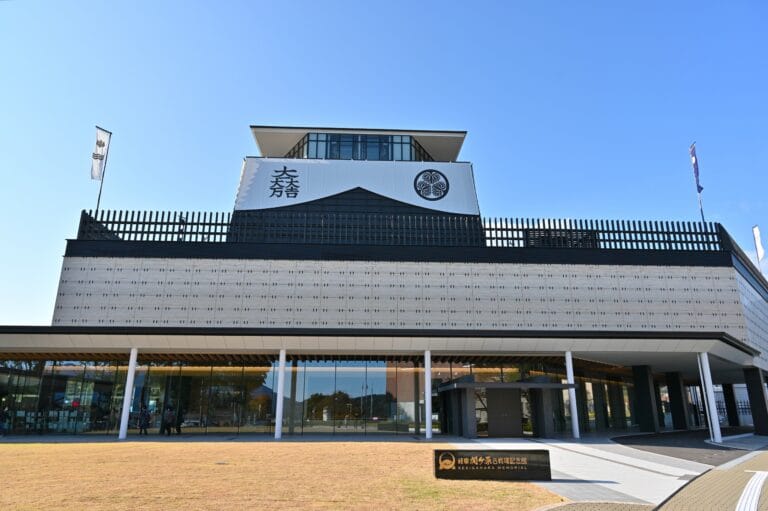
Upon arrival, visitors are greeted by the serene atmosphere of the Peace Memorial Park, a verdant expanse dedicated to remembrance and tranquility. The approach to the museum is framed by carefully maintained gardens and pathways that encourage contemplation before entering the exhibition space. The proximity to the Atomic Bomb Dome immediately sets a sober tone, as this haunting skeleton of a building remains frozen in time, a stark visual reminder of the bombing’s destructive force. As visitors move closer, the museum’s exterior presents a modest yet dignified facade, avoiding monumental grandiosity in favor of an architectural style that complements the surrounding natural and memorial elements. The entrance area is spacious and designed to manage visitor flow efficiently, with clear signage both in Japanese and multiple languages to accommodate the diverse international audience. The setting overall encourages a contemplative state of mind, channeling visitors towards the narrative that unfolds within.
Highlights and Key Exhibitions
Inside, the Hiroshima Peace Memorial Museum offers a carefully curated and emotionally charged journey through its permanent exhibitions. The displays are organized to provide a chronological and thematic exploration of events, starting with the historical background of World War II and the conditions that led to the bombing. One of the most compelling sections presents vivid photographs, artifacts, and personal belongings recovered from the blast site, each item bearing witness to the immediate human impact of the explosion. These tangible remnants bring a sense of intimacy and reality to the often abstract horrors of nuclear warfare.
Another important highlight is the exhibit dedicated to the survivors’ testimonies, known as hibakusha, which include recorded interviews and written accounts. These narratives deeply humanize the experience, revealing the long-term physical and psychological suffering endured by the victims. The museum also incorporates scientific explanations about the bomb’s mechanism and the aftermath of radiation exposure, offering a respectful educational framework that enhances understanding without overwhelming the visitor.
In addition, the museum broadens the narrative beyond Hiroshima, touching on global efforts towards nuclear disarmament and peace advocacy. The display areas frequently include maps, posters, and historical documents that contextualize the bombing within the larger scope of international relations and humanitarian initiatives. This deliberate approach underlines the museum’s dual role as both a memorial and a platform for peace education.
Visitor Experience
The museum’s design prioritizes a solemn yet accessible visitor experience. Exhibits are arranged with clear flow and logical progression, allowing guests to absorb the information in a structured manner. Multi-language audio guides and informative panels ensure that language barriers are minimized, enhancing comprehension for an international audience. The lighting and spatial design within the exhibition halls support an atmosphere of quiet reflection, avoiding sensory overload.
The inclusion of multimedia elements is judicious, using video footage and audio recordings to complement textual content without detracting from the gravity of the subject matter. Seating areas are thoughtfully distributed throughout the museum, providing spaces for repose amidst the emotionally intense content. Additionally, the museum offers resources such as brochures and educational materials for visitors wishing to engage in deeper study.
The staff are noted for their respectful and supportive approach, helping to maintain an environment conducive to thoughtful engagement. Outside the museum, the surrounding park offers a further opportunity for reflection, with various monuments and fountains reinforcing the themes of peace and rebirth. Overall, the visitor experience is designed to balance factual education with emotional resonance, making it both informative and profoundly moving.
Tickets, Access, and Planning
The Hiroshima Peace Memorial Museum generally operates with an admission fee that is reasonable, ensuring accessibility for a broad audience while supporting the museum’s maintenance and educational mission. Discounts are often available for students, seniors, and groups, reflecting a commitment to inclusivity. Opening hours are typically consistent and clearly communicated, allowing visitors to plan their timing accordingly, though checking the official website for any seasonal changes or public holiday closures is advisable.
The museum’s location within Hiroshima Peace Memorial Park makes it easily reachable by public transportation, with well-signposted routes from the city center and nearby train stations. Facilities are designed to accommodate visitors with diverse accessibility needs, including ramps, elevators, and wheelchair-friendly pathways. Information desks and signage provide guidance for those requiring assistance, and the museum strives to make the exhibits approachable for people with disabilities.
Given the content’s sensitive nature and the emotional impact of the displays, visitors are encouraged to allocate ample time for the visit, often recommended as one to two hours to fully absorb the exhibitions. Planning ahead is also facilitated by the availability of visitor information and maps online, which can help identify key sections of interest and navigate the museum efficiently.
Final Verdict
The Hiroshima Peace Memorial Museum stands as an essential cultural and historical institution that delivers a powerful, reflective experience centered on the catastrophic consequences of nuclear warfare. Its careful balance of personal stories, historical documentation, and scientific explanation creates a multifaceted narrative that speaks to visitors across generations and nationalities. While the subject matter can be profoundly distressing, the museum’s thoughtful design and respectful presentation foster an environment that encourages both education and empathy.
As a site of remembrance and peace advocacy, the museum transcends its role as a simple exhibition space to become a catalyst for global conversations about the value of human life and the urgent necessity of preventing future conflict. For those with an interest in history, peace studies, or human rights, the Hiroshima Peace Memorial Museum offers an irreplaceable encounter that resonates far beyond its walls. It is recommended that visitors prepare emotionally and intellectually, and allow themselves time for contemplation both inside the museum and within the surrounding memorial park. The museum’s humility and solemnity ensure that it remains a dignified tribute and an enduring call for peace in an often turbulent world.