Hammer Museum Review
Art Museums · Los Angeles, United States. The Hammer Museum, located in the vibrant cultural landscape of Los Angeles, United States, occupies a distinctive position within the city’s contemporary art scene. Founded in 1990 through the vision and philanthropy of Dr.…
Art Museums · Los Angeles, United States. The Hammer Museum, located in the vibrant cultural landscape of Los Angeles, United States, occupies a distinctive position within the city’s contemporary art scene. Founded in 1990 through the vision and philanthropy of Dr.…
Best forMasterpieces, architecture, cultural history
Review focusCollection highlights, building, visitor flow
Historical Context
The Hammer Museum, located in the vibrant cultural landscape of Los Angeles, United States, occupies a distinctive position within the city’s contemporary art scene. Founded in 1990 through the vision and philanthropy of Dr. Armand Hammer, the institution was originally conceived as a home for his private collection of Old Masters and Impressionist works alongside modern and contemporary art. Over the decades, the museum has evolved, aligning itself closely with the University of California, Los Angeles (UCLA), thus deepening its commitment to academic rigor and public engagement. The Hammer increasingly focuses on provocative contemporary art, often spotlighting emerging artists and offering a platform for experimental and challenging works. This balance between its historic collections and progressive curatorial direction situates the institution as a dynamic center for art and ideas that both embraces and questions current cultural narratives. Today, the Hammer Museum operates with a mission to foster thoughtful dialogue through art, supported by its robust exhibition programmes and public programming.
What You See on Arrival
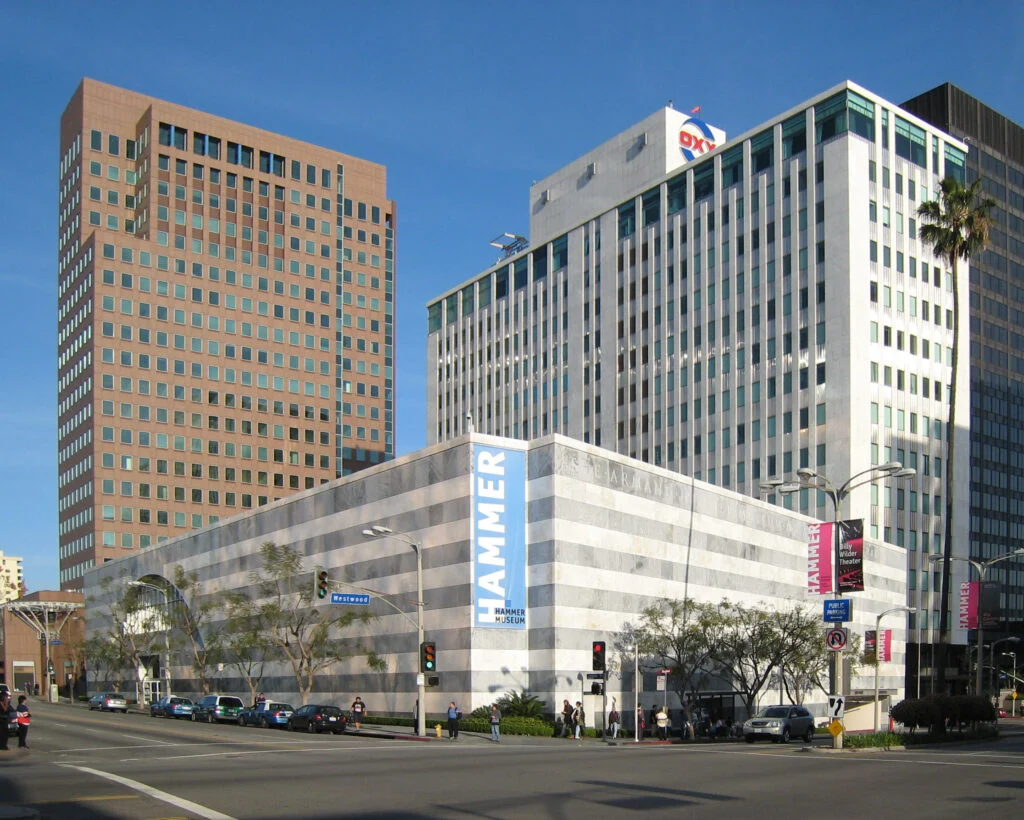
Approaching the Hammer Museum, visitors are greeted by a sleek, modernist facade that commands attention without overwhelming the surrounding urban environment. Situated in the Westwood district of Los Angeles, the museum is housed in a striking building designed by Michael Maltzan Architecture, which thoughtfully integrates indoor and outdoor spaces. The entrance is marked by expansive glass walls and clean lines, creating an inviting transparency between interior galleries and the street. A distinctive sculpture garden is visible from the outside, offering an immediate visual taste of the artistic sensibility inside. The surrounding plaza features contemplative spaces and seating areas, blending art with the everyday rhythms of the city. Signage is clear and understated, reflecting the museum’s contemporary ethos. Visitors can immediately sense that the museum is both a place of serious study and a welcoming cultural hub, primed for engagement with the arts and ideas.
Highlights and Key Exhibitions
While the Hammer Museum is renowned for its wide-ranging collection, its strength lies particularly in its focus on contemporary and cutting-edge art. Permanent installations include works by notable 20th and 21st-century masters, alongside displays from its broader collection that speak to cross-generational dialogues in art. The museum is especially acknowledged for its insightful exhibitions that frequently explore themes of identity, social justice, and political discourse. Curatorial choices often embrace a multidisciplinary approach, incorporating performance art, video, and installation pieces that challenge traditional museum conventions.
Key exhibitions, though rotating regularly, tend to foreground emerging voices in the contemporary art world, fostering experimentation and dialogue across different media. The museum prides itself on its dedication to artists from diverse backgrounds, making it a vital platform for underrepresented perspectives. Furthermore, the Hammer hosts a variety of lectures, film screenings, and panels that complement the visual experience and deepen the interpretive framework for visitors.
Visitor Experience
The overall visitor experience at the Hammer Museum is designed for accessibility, intellectual stimulation, and comfort. The layout of the museum encourages a fluid exploration of its galleries, moving from intimate rooms to larger, more open spaces, allowing visitors to engage with a wide array of artworks without feeling rushed or overwhelmed. The interpretive materials—including wall texts, catalogs, and audio guides—are thoughtfully prepared to cater to both specialist audiences and the general public. The museum staff are generally regarded as knowledgeable and approachable, contributing to an atmosphere of learning and discovery.
Additionally, the Hammer Museum’s commitment to community outreach is evident in its diverse programming and inclusive public events. Quiet zones and seating are ample, offering visitors opportunities for rest and reflection. The café and museum shop provide further to the overall experience, albeit with practical rather than extravagant offerings. Family-friendly initiatives and educational activities also enhance the museum’s role as a cultural resource for Los Angeles residents and visitors alike.
Tickets, Access, and Planning
Admission to the Hammer Museum is free, making it an exceptionally accessible institution within the often costly Los Angeles cultural landscape. This open-door policy encourages a broad demographic to engage with contemporary art and ideas. The museum’s hours are consistent and visitor-centric, although it is advisable to check for any special closures or event-related changes in advance. The site provides ample information online regarding current exhibitions, public programs, and educational resources, facilitating effective planning for first-time and returning visitors.
Accessibility features are robust, including accommodations for visitors with mobility impairments, sensory sensitivities, and other needs. The museum building is wheelchair accessible, with elevators and accessible restrooms available. Public transport options serve the vicinity, complemented by parking facilities for those arriving by car, though parking in the area can be challenging during peak times.
Final Verdict
The Hammer Museum stands out as a vibrant and intellectually rigorous institution that successfully bridges the gap between academic enquiry and public engagement. Its commitment to contemporary art, diversity of programming, and free admission policy make it a cornerstone of Los Angeles’s cultural offerings. While the museum’s focus on contemporary and experimental work may not appeal universally to those seeking more traditional or historic art forms, it represents a crucial arena for dialogue and innovation in the arts. Visitors and scholars alike can appreciate the museum’s balance of thoughtful curation, accessibility, and community orientation. The Hammer Museum undoubtedly enriches the artistic landscape, offering a unique experience that challenges, educates, and inspires.