Galleria nazionale d’arte antica Review
Art Museums · Rome, Italy. The Galleria nazionale d'arte antica, nestled within the majestic Palazzo Barberini in Rome, represents one of Italy’s most significant repositories of classical and Baroque art. Established in the early 20th century, this national gallery…

Art Museums · Rome, Italy. The Galleria nazionale d'arte antica, nestled within the majestic Palazzo Barberini in Rome, represents one of Italy’s most significant repositories of classical and Baroque art. Established in the early 20th century, this national gallery…
Best forMasterpieces, architecture, cultural history
Review focusCollections, curatorial focus, and visitor planning
Historical Context
The Galleria nazionale d'arte antica, nestled within the majestic Palazzo Barberini in Rome, represents one of Italy’s most significant repositories of classical and Baroque art. Established in the early 20th century, this national gallery offers a window into the rich evolution of Italian and European art from the Middle Ages through the 18th century. The museum’s collection is housed in a Baroque palace designed by notable architects, including Carlo Maderno and Gian Lorenzo Bernini, which itself is a masterpiece of architectural history. The Galleria aims to present a comprehensive narrative of artistic development, emphasizing the cultural and political milieu of the Papal States and broader Europe during significant artistic movements. This sense of historical layering between the artworks and the historic venue uniquely situates viewers within the convergence of art and history, making it a pivotal institution for understanding the roots of Western art traditions.
What You See on Arrival
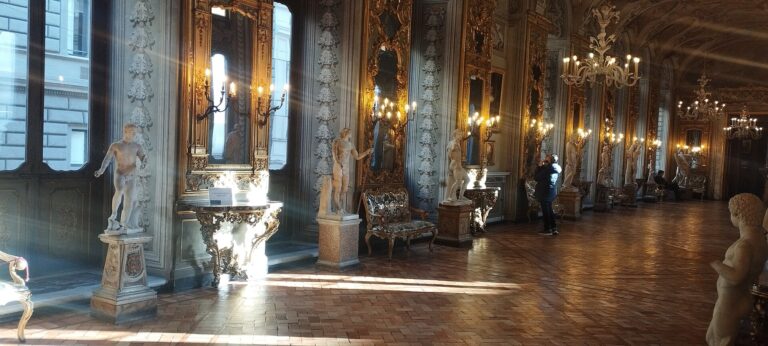
Upon arrival, visitors are greeted by the stunning exterior of Palazzo Barberini, an imposing example of Roman Baroque architecture that immediately sets the tone for the artistic journey within. The grandeur of the palace’s façade, with its intricate sculptural details and expansive courtyard, cues the visitor into the artistic richness housed inside. Entering the building leads to a series of opulent rooms filled with natural light that highlights the ornate frescoed ceilings and elegant stuccoes, features that enhance the overall ambience of the museum. The layout of the galleries is thoughtfully arranged, guiding visitors through a chronological progression of artworks. One’s first impressions are shaped not only by the artworks but by the palace’s significant historic and architectural features, which complement the museum’s thematic focus and elevate the entire experience.
Highlights and Key Exhibitions
The Galleria boasts an impressive collection of masterpieces by some of the most celebrated artists in art history, serving as the backbone of its permanent exhibitions. Among the most notable works is Caravaggio’s "Judith Beheading Holofernes," a haunting and dramatic piece that exhibits the artist’s signature chiaroscuro and intense realism. This painting alone is considered a highlight for visitors, encapsulating the emotional power and innovative technique that had a lasting impact on Baroque painting. Alongside Caravaggio, the gallery also features exquisite works by artists such as Raphael, Titian, and Pietro da Cortona. Raphael’s frescoes illuminate the sophistication of the High Renaissance, while Titian’s vibrant color palettes demonstrate Venetian brilliance. The collection spans various genres, including religious themes, portraits, and mythological subjects, offering a diverse array of artistic expressions. Painted ceilings and richly decorated rooms themselves offer an immersive museum experience, as they stand as integral parts of the art narrative within the space rather than mere display settings.
Visitor Experience
The visitor journey through the Galleria nazionale d'arte antica is curated with an emphasis on both educational and aesthetic engagement. Informational plaques are detailed and well-written, providing insight into the context, symbolism, and technical innovation behind each piece without overwhelming the visitor with jargon. The lighting throughout the galleries is subtle yet effective, carefully designed to protect the artworks while enhancing visibility and mood. Seating areas are thoughtfully placed, allowing visitors to rest and contemplate the art at leisure. Audio guides and printed materials are generally available, offering enhanced layers of understanding for those seeking deeper knowledge. However, the museum can become quite busy, particularly around key masterpieces, which may occasionally detract from the contemplative atmosphere. The presence of the palace’s decorative elements makes moving through the gallery spaces a pleasure, yet some may find the chronological layout slightly challenging to follow in the absence of a guided tour.
Tickets, Access, and Planning
Planning a visit to the Galleria nazionale d'arte antica requires consideration of its location within the heart of Rome, as well as operational details. Admission fees are reasonable and reflect the high cultural value of the collection. Discounts are typically available for European Union citizens under certain age limits, students, and seniors. It is advisable to check the official museum website prior to visiting for the most current ticketing policies, as some restrictions or changes could apply due to public health guidelines or special events. The museum is accessible by public transportation, with several bus and metro lines serving the vicinity. Accessibility for visitors with limited mobility is well addressed; the facility includes ramps and elevators within the historic building, although the palace’s structural constraints may pose minor challenges. Opening hours are standard for European museums, with closures on certain weekdays and national holidays. Booking tickets in advance is recommended to avoid long queues and secure preferred time slots.
Final Verdict
The Galleria nazionale d'arte antica presents a compelling destination for anyone interested in the art and cultural history of Rome and Europe. Its combination of an extraordinary historic setting and an extraordinary art collection creates a deeply enriching experience. The museum’s curated selection of artworks showcases the brilliance and complexity of pre-modern European art, with masterpieces that illuminate the narratives of the Renaissance and Baroque periods in particular. While the grand architecture enhances the overall sensory impact, it is the artworks themselves that remain the true stars of the gallery. Practical considerations such as ticketing and accessibility are well managed, though prospective visitors should plan ahead to maximize their experience. Despite the occasional drawbacks associated with crowding and layout, the Galleria remains a vital institution for both art connoisseurs and casual enthusiasts alike, offering an indispensable window into centuries of artistic achievement within one of Europe’s most culturally resonant cities.