Freud Museum London Review
The Freud Museum London, situated in the tranquil residential area of Belsize Park, United Kingdom, offers an immersive window into.
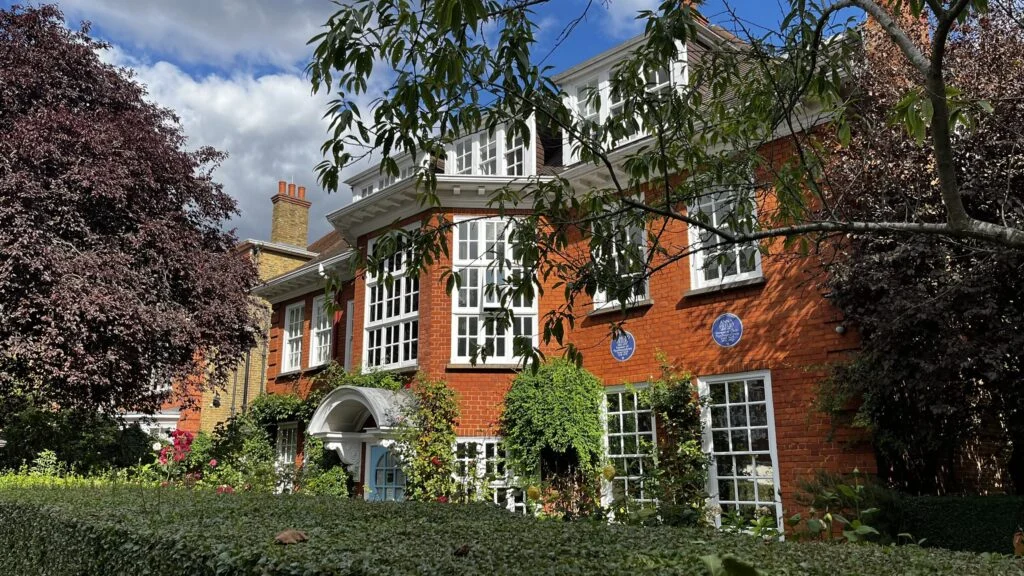
The Freud Museum London, situated in the tranquil residential area of Belsize Park, United Kingdom, offers an immersive window into.
Best forScience, technology, hands-on learning
Review focusExhibits, interpretation, visitor flow
Historical Context
The Freud Museum London, situated in the tranquil residential area of Belsize Park, United Kingdom, offers an immersive window into the life and work of Sigmund Freud, the founding father of psychoanalysis. Established in 1986, the museum preserves the very home and office where Freud spent the final year of his life after fleeing Vienna in 1938 to escape Nazi persecution. The site remains a poignant historical and cultural landmark, not only for those interested in Freud’s groundbreaking contributions to psychology but also for visitors intrigued by the narrative of 20th-century European history, exile, and intellectual resilience. The museum encapsulates Freud’s personal and professional worlds, showcasing the architectural and domestic environment reflective of his Viennese style, brought together in London during the turbulent years preceding World War II. This interweaving of personal history and psychoanalytic legacy makes the Freud Museum a unique institution reverberating with both scholarly significance and emotive depth.
What You See on Arrival
Approaching the Freud Museum London, visitors encounter a classic red-brick detached house tucked quietly within the leafy streets of Belsize Park. The unassuming exterior contrasts with the profound historical and intellectual significance held within its walls. The front garden is modest, with a small sign indicating the museum's presence. Upon entry, a sense of stepping back in time becomes immediately evident. The entrance hall is intimate and warmly lit, setting the tone for a thoughtful exploration that is as much about the individual human life it represents as it is about academic museum culture. This initial impression of domesticity primes visitors for the personal nature of the exhibits that follow, hinting at the unique biographical and psychoanalytical artifacts to be encountered.
Highlights and Key Exhibitions
The museum’s core offer lies in the preservation of Freud’s actual living and working spaces, notably his study, which remains largely unchanged since his death in 1939. The study houses original items such as Freud’s iconic psychoanalytic couch, where his patients reclined during sessions. This symbol of psychoanalysis, with its well-worn leather surface, immediately draws attention, standing as a tangible connection to Freud’s pioneering therapeutic methods. Surrounding the couch are shelves brimming with Freud’s extensive collection of antiquities, which range from Egyptian artifacts to classical sculptures. These objects are not merely decorative but reflect Freud’s academic interests and his symbolic association of artifacts with the workings of the unconscious mind.
Other notable exhibits include a vast collection of Freud’s personal belongings, manuscripts, photographs, and correspondence, which provide context to both his professional achievements and the tumultuous historical period during which he lived. Throughout the house, visitors might also find a variety of psychoanalytic literature and first editions that have been meticulously conserved. While the museum does not focus on large-scale, temporary exhibitions, the permanent collections provide a comprehensive account of Freud’s work and legacy in a deeply intimate setting.
Visitor Experience
The Freud Museum London offers a contemplative environment rather than a bustling tourist destination. Its intimate scale encourages quiet reflection and close engagement with the materials on display. Visitors often find the atmosphere both calming and intellectually stimulating, allowing for a deeper appreciation of Freud’s contributions and the historical context of his life. Guided tours and occasional talks offer additional layers of understanding, led by knowledgeable staff who clarify complex psychoanalytic concepts and relate the artifacts to broader cultural and historical themes.
The layout facilitates easy navigation between Freud’s study, living quarters, and the small exhibition spaces, although some areas might feel compact due to the preservation of the original residential layout. Educational resources and printed materials are available, though the museum’s appeal tends to be strongest for visitors already familiar with or curious about psychoanalysis or Freud’s biography. It is not designed as a high-tech interactive space but rather a museum that emphasizes authenticity, historical integrity, and scholarly inquiry.
Tickets, Access, and Planning
Planning a visit to the Freud Museum London requires attention to practical details given its somewhat modest scale and specialized focus. Ticketing is straightforward, with affordable admission fees reflecting its status as a niche cultural site. Online ticket purchases are encouraged to secure entry, particularly during peak tourist periods, though walk-in visitors are usually accommodated. The museum provides concessions for students and seniors, encouraging educational visits and public engagement.
Accessibility is thoughtfully considered within the constraints of the heritage building. While the ground level is readily accessible, the upper floors may pose challenges for those with mobility impairments, and visitors requiring assistance are advised to check in advance about available accommodations. The museum is served by public transportation with nearby bus stops and a London Underground station within walking distance, making it easily reachable from central London. Opening hours are limited compared to larger institutions, so prospective visitors should consult the museum’s official website to confirm times and any special events or alterations.
Final Verdict
The Freud Museum London stands as a distinctive cultural landmark for those drawn to psychology, history, or the rich narrative of exile and intellectual perseverance. Its strength lies in the preservation of a highly personal environment that invites visitors to experience Sigmund Freud’s world with nuance and respect. Though the museum’s focus is specialized and its scale small relative to major London institutions, it compensates with authenticity, atmosphere, and a treasure trove of original artifacts that capture both Freud’s scientific legacy and his human story.
Visitors seeking an immersive, contemplative experience will find much to appreciate in the museum’s intimate setting, where scholarship and personal history intersect seamlessly. Conversely, those expecting modern interactive displays or extensive temporary exhibitions might find the offering limited. Nevertheless, for anyone interested in the origins of psychoanalysis or the life of one of the 20th century’s most influential thinkers, the Freud Museum London is a rewarding destination that offers both intellectual stimulation and historical poignancy in a unique residential context.