Fort Frederik Review
History Museums · Saint Croix, United States. Fort Frederik, situated on the island of Saint Croix in the U.S. Virgin Islands, stands as a formidable testament to the complex colonial history of the Caribbean. Constructed in 1752 by the Danes during…

History Museums · Saint Croix, United States. Fort Frederik, situated on the island of Saint Croix in the U.S. Virgin Islands, stands as a formidable testament to the complex colonial history of the Caribbean. Constructed in 1752 by the Danes during…
Best forMasterpieces, architecture, cultural history
Review focusCollection highlights, building, visitor flow
Historical Context
Fort Frederik, situated on the island of Saint Croix in the U.S. Virgin Islands, stands as a formidable testament to the complex colonial history of the Caribbean. Constructed in 1752 by the Danes during their administration of the islands, the fort was originally intended to protect Christiansted, a principal town, from foreign invasions and potential rebellions. It represents the military and economic significance of the region during the height of European colonial expansion. Beyond its defensive role, Fort Frederik is deeply intertwined with the island's narrative of slavery and emancipation, serving as a focal point during the emancipation of enslaved Africans in the Danish West Indies in 1848. Today, it is preserved as a museum and cultural center, offering visitors insight into the military, social, and political transformations that have shaped Saint Croix. The fort’s preserved architecture and interpretative exhibits foster an understanding of the colonial powers’ influence and the resilient spirit of the local population through centuries of change.
What You See on Arrival
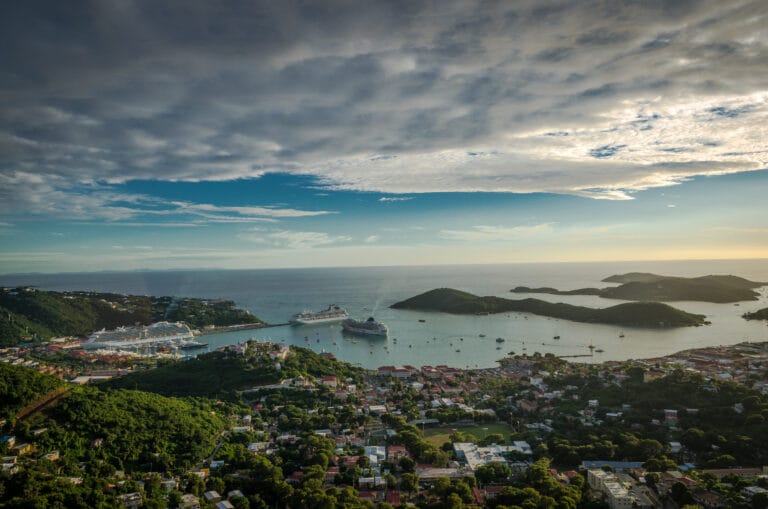
From the moment one approaches Fort Frederik, the historical ambiance is palpable. The fort is situated on the waterfront, with its robust stone walls and cannons reminiscent of its defensive past. The entrance welcomes visitors with a spacious courtyard flanked by ramparts, and the overall layout allows an exploration of the structure’s strategic military design. Visitors are greeted by a series of plaques and informational panels that briefly outline the fort’s significance. The surrounding area is picturesque, offering views of the harbor and the town of Christiansted, positioning the museum not only as a historical site but also as a point of connection between past and present. The architecture itself tells a story, with its blend of Nordic and Caribbean influences evident in the stonework and fortifications. The site’s upkeep is commendable, maintaining an inviting environment that encourages guests to delve into the layers of history presented within its walls.
Highlights and Key Exhibitions
Fort Frederik’s museum spaces concentrate primarily on the island’s military history, the era of slavery, and the journey to emancipation. The collection includes original artifacts such as weapons, uniforms, and naval instruments that illuminate the fort’s operational history. Of particular interest are the exhibits focused on the emancipation proclamation of 1848, which was declared from the fort’s balcony. This critical moment in Virgin Islands history is documented through a combination of historical writings, reproductions of official documents, and visual storytelling that conveys the profound impact of abolition on the local society.
The museum also dedicates space to exploring the Danish colonial period, with exhibits detailing the daily lives of both colonists and enslaved peoples, their interactions, and the socio-economic structures that prevailed. Photographs, maps, and models provide a tangible connection to the past, allowing visitors to visualize the fort’s role in the broader context of Caribbean colonialism and trade routes. Educational panels offer nuanced perspectives, addressing not only military and political history but also cultural and social dimensions, including the African heritage of the island’s inhabitants. The careful balance of warfare, emancipation, and cultural narratives creates a comprehensive portrait of Saint Croix’s past.
Visitor Experience
The experience of visiting Fort Frederik is shaped by the fort’s unique blend of outdoor and indoor elements. Walking through the fortifications offers a direct sense of the spatial realities faced by defenders in the 18th century, while the museum galleries provide accessible interpretative content with clear explanations and well-presented displays. The museum staff are noted for their helpfulness and knowledge, often providing enriching context and facilitating a deeper understanding of the exhibits.
Interpretative signage throughout the site is generally clear and informative, though some might find the depth of information in certain areas limited, particularly for those seeking more detailed military history or broader Caribbean colonial context. Audio guides or interactive displays are not a prominent feature, which may affect the engagement level for some visitors. However, the integration of the fort’s physical environment with its historical narratives successfully immerses visitors, making history tangible and immediate. The surrounding area, with its scenic harbor views and proximity to other historical sites in Christiansted, enhances the overall visit, encouraging further exploration.
Tickets, Access, and Planning
Entry to Fort Frederik is straightforward, with reasonable admission prices that make the museum accessible to a wide audience, including local residents and tourists. The official website provides essential information regarding opening hours, ticketing options, and upcoming public events. The museum also hosts occasional cultural activities which add value to the visit, though these should be checked in advance due to occasional scheduling changes.
Accessibility considerations are thoughtfully addressed. The fort’s historic nature means that some areas are uneven or involve steps, which may pose challenges for visitors with mobility impairments. Nonetheless, major areas are accessible, and staff are attentive to visitor needs, offering assistance if required. Parking and public transportation options are available nearby, facilitating easy access for most visitors. Planning a visit during weekdays or morning hours can help avoid peak tourist crowds, allowing for a more contemplative experience. The museum’s proximity to Christiansted town center means that it can be combined with visits to other local attractions, dining, and shopping, making it a convenient and enriching part of any Saint Croix itinerary.
Final Verdict
Fort Frederik serves not only as a historical monument but as a vital educational resource that illuminates the layered complexities of Caribbean history. Its architectural preservation, combined with thoughtfully curated exhibits, offers an immersive glimpse into colonial military strategy, the lived experiences under Danish rule, and the landmark moment of emancipation. While the museum could benefit from enhanced interactive features and additional interpretative depth in certain areas, it successfully balances military, social, and cultural history in a manner accessible to diverse audiences.
The museum’s strategic location on the waterfront and its integration with the picturesque town of Christiansted further enrich the visitor experience. Fort Frederik stands out as a significant cultural site in the U.S. Virgin Islands, deserving of attention not only for its historical content but also for its role in preserving and honoring the island’s heritage. It is a recommended destination for those interested in colonial history, Caribbean culture, and the African diaspora, offering insight and reflection in equal measure.