East Texas Oil Museum Review
History Museums · Gladewater, United States. The East Texas Oil Museum, located in Gladewater, United States, offers a comprehensive exploration of one of the most transformative periods in American industrial history. The East Texas oil boom, which began in the…
History Museums · Gladewater, United States. The East Texas Oil Museum, located in Gladewater, United States, offers a comprehensive exploration of one of the most transformative periods in American industrial history. The East Texas oil boom, which began in the…
Best forScience, technology, hands-on learning
Review focusHistorical collections, local context, and visitor planning
Historical Context
The East Texas Oil Museum, located in Gladewater, United States, offers a comprehensive exploration of one of the most transformative periods in American industrial history. The East Texas oil boom, which began in the early 1930s, reshaped the region’s economy, culture, and identity, marking it as a pivotal chapter in the broader narrative of the nation’s energy development. This period not only brought rapid industrial growth but also fostered significant social change, as small rural communities encountered a surge of prosperity and modernity driven by oil discoveries. The museum situates its collections within this framework, aiming to contextualize the profound impacts of the oil industry on East Texas and the United States at large. Through artifacts, photographs, and interpretive materials, it chronicles how the oil boom altered the landscape, economy, and daily lives of those in the region while acknowledging the enduring influence of oil on contemporary America.
What You See on Arrival
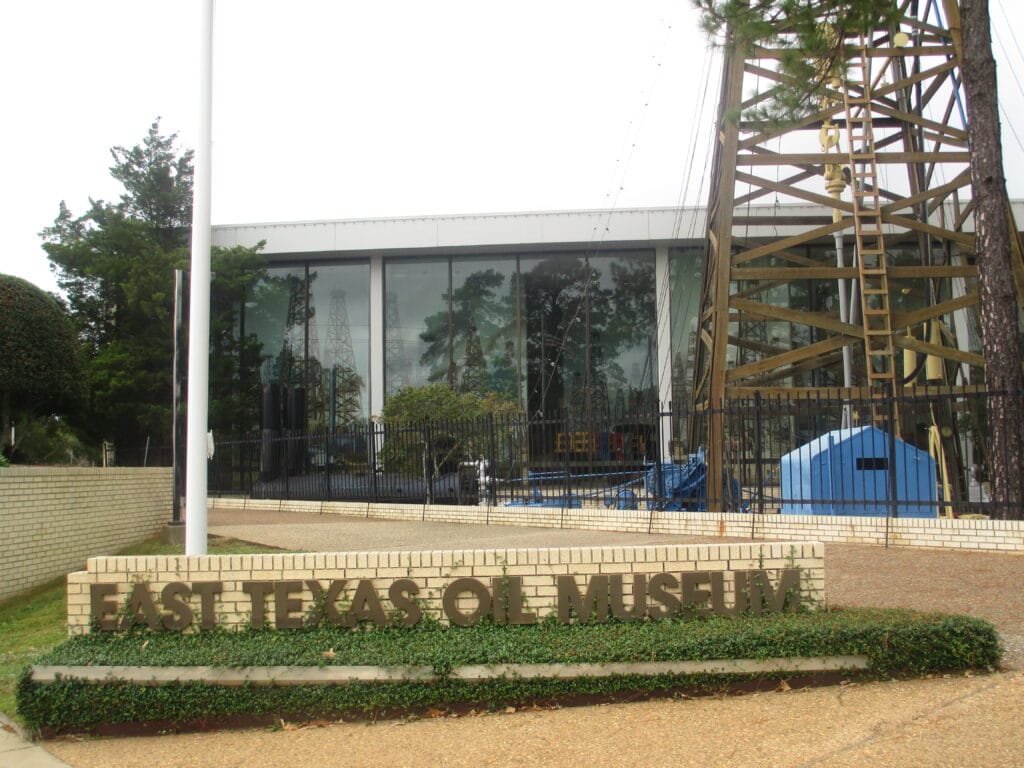
As visitors approach the East Texas Oil Museum, the exterior reflects a modest yet inviting architectural style, reminiscent of historical buildings from the peak of the oil boom era. The facade is straightforward and functional, which aligns well with the industrial heritage it represents. Upon entry, the museum immediately sets a tone of educational immersion. The lobby area serves as both an introduction and an orientation point, adorned with display cases containing foundational artifacts such as early drilling equipment and documentation. Informational panels and reproductions of historical newspapers offer visitors a preliminary sense of the area's rapid economic development during the boom years. This initial presentation is designed to ground visitors in the chronological narrative before they move into the more specialized exhibition spaces.
Highlights and Key Exhibitions
The heart of the East Texas Oil Museum lies in its carefully curated permanent exhibitions, which chart the evolutionary trajectory of the oil industry in the region. One of the standout areas is the display dedicated to the technical progression of oil drilling and extraction methods, featuring authentic tools and machinery components from the 1930s and later decades. These exhibits effectively demonstrate the engineering ingenuity that fueled the boom and subsequent industry growth.
Another significant exhibition offers a socio-cultural perspective, highlighting how the oil rush influenced local communities, including changes in demographics, labor dynamics, and the socioeconomic ripple effects across East Texas. The museum’s collection of photographs and oral histories enrich these themes, providing personal narratives alongside technical and historical data.
The museum also houses informative displays on the environmental consequences and ongoing debates related to oil production, offering a balanced perspective that addresses both the benefits and the challenges of fossil fuel dependence. This inclusion adds a valuable dimension to the institution's storytelling, connecting historical developments to current concerns.
Overall, the exhibitions are thoughtfully arranged, combining textual information with multimedia elements to cater to diverse learning styles. Due to the focus on accuracy and detail, the museum serves both casual visitors interested in regional history and more specialized audiences seeking in-depth knowledge of the oil industry.
Visitor Experience
The overall visitor experience is designed to be accessible and engaging, though it leans more toward educational thoroughness than entertainment. The signage and informational panels throughout the museum are clear and well-written, facilitating an understanding of complex industrial processes without oversimplification. Staff members are often described as knowledgeable and ready to assist, contributing to a welcoming atmosphere.
The museum’s layout encourages a logical progression through the exhibits, though some spaces might feel compact for groups during peak hours. Interactive elements, while not extensive, provide suitable engagement opportunities for younger visitors or those less familiar with the subject matter. There is a balanced approach to self-guided exploration supported by occasional docent-led tours, which offer added depth for interested parties.
The museum’s gift shop, located near the exit, allows visitors to purchase relevant memorabilia, books, and educational materials related to the oil industry and East Texas history. This reinforces the museum's educational mission and provides souvenirs that extend the learning experience beyond the visit.
Tickets, Access, and Planning
Entry to the East Texas Oil Museum is affordably priced, reflecting its commitment to public education and regional heritage preservation. Discounts are typically available for children, seniors, and groups, making it an accessible destination for families and school trips. The website provides current information on opening hours, ticket pricing, and any special events or programs, which is advisable to consult prior to planning a visit.
Accessibility is generally well addressed, with wheelchair access and accommodations for visitors with mobility challenges. Parking is convenient, and the location in Gladewater is straightforward to reach by car, although public transportation options may be limited, a consideration for those without private vehicles. The museum’s proximity to other local attractions can make for an enjoyable day trip focused on East Texas culture and history.
For those planning an educational visit or group tour, advance booking is recommended. The museum also offers resources for educators and students, which can enhance curriculum connections and provide tailored learning experiences.
Final Verdict
The East Texas Oil Museum stands as an informative and well-curated institution that thoughtfully captures the essence of one of America’s most significant industrial revolutions. Its detailed exhibitions strike a commendable balance between technical explanation and human narrative, ensuring that visitors come away with a nuanced understanding of the East Texas oil boom’s multifaceted legacy. The museum’s candid exploration of both the positive economic impact and the environmental consequences lends it an intellectual rigor often missing in similar institutions.
While the visitor experience prioritizes educational depth over spectacle, the clarity of the presentation and the expertise of the staff ensure that those with an interest in history, industry, or regional culture will find the visit rewarding. Limitations in interactive technologies mean it may not fully captivate younger audiences seeking more dynamic engagement, but the foundational knowledge offered here is compelling for all ages.
Reasonably priced and accessible, the East Texas Oil Museum is a must-visit for anyone wanting to understand the profound effects of oil in shaping not only East Texas but also the broader fabric of American industry and society. It is a significant resource that preserves and honors a pivotal chapter in local and national history, making it a valuable addition to the cultural landscape of Gladewater and the United States.