Defence of Darwin Experience Review
Museums · Darwin, Australia. The Defence of Darwin Experience is a museum dedicated to commemorating and documenting the World War II history of Darwin, Australia’s northern gateway. During the early 1940s, Darwin was a strategic military hub subject…
Museums · Darwin, Australia. The Defence of Darwin Experience is a museum dedicated to commemorating and documenting the World War II history of Darwin, Australia’s northern gateway. During the early 1940s, Darwin was a strategic military hub subject…
Best forMuseum lovers, culture travelers, first-time visitors
Review focusCollections, visitor experience, and practical planning
Historical Context
The Defence of Darwin Experience is a museum dedicated to commemorating and documenting the World War II history of Darwin, Australia’s northern gateway. During the early 1940s, Darwin was a strategic military hub subject to repeated air raids by Japanese forces. These attacks marked the largest foreign bombing of Australia in its history, profoundly impacting local military personnel and civilians. The museum sets out to preserve and interpret this part of Australia’s wartime heritage, drawing attention to Darwin’s crucial role in the Pacific theatre. This focus distinguishes it from broader Australian war museums or national military narratives by concentrating on the lived experience of the community and troops during these turbulent years. By emphasizing personal testimonies, military artifacts, and regional history, the institution helps to fill a less commonly explored chapter of World War II, one often overshadowed by battles on other fronts.
While the museum centers on the 1942 air raids and their aftermath, it also contextualizes Darwin’s defense within larger wartime preparations, such as the buildup of military installations in the Northern Territory. This approach allows visitors to gauge how the city shifted from a small tropical outpost to a heavily fortified base vital to Allied operations. The Defence of Darwin Experience’s narratives are therefore both local and connected to larger strategic considerations, shaping visitors’ understanding of how warfare reached Australian soil and how its effects reverberated in communities remote from the major capitals.
What You See on Arrival
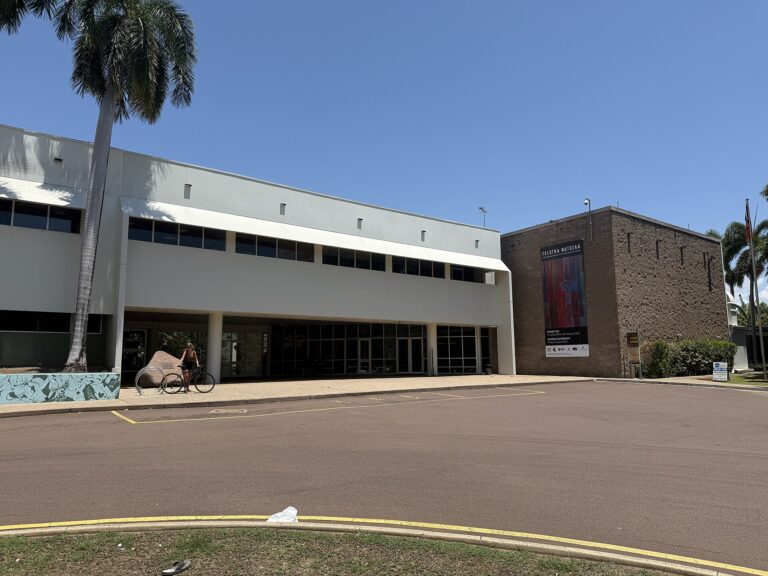
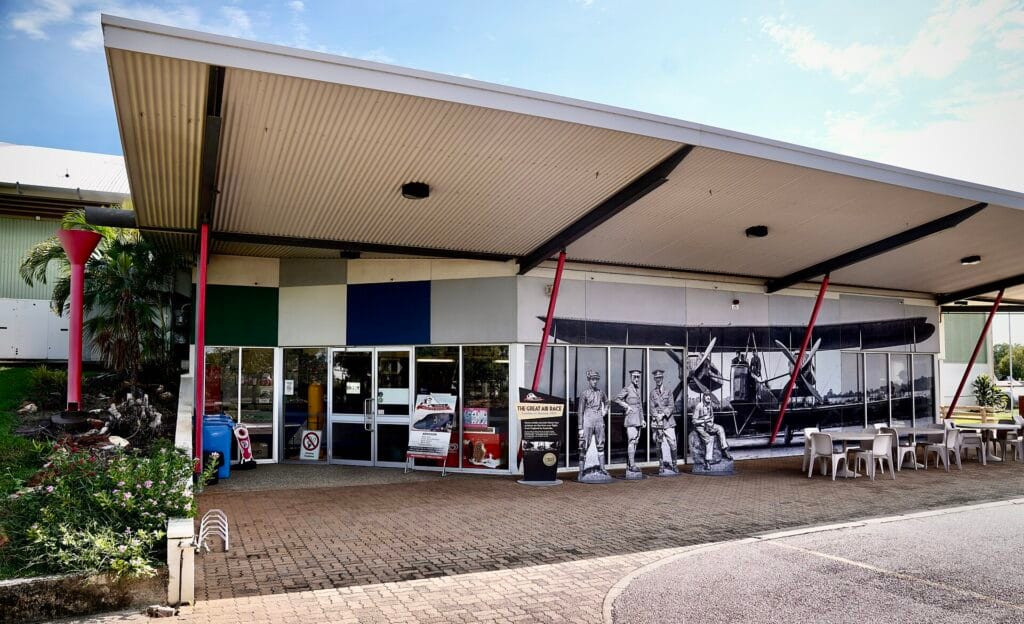
Visitors encountering the Defence of Darwin Experience for the first time are likely to note its overt military theme and straightforward presentation. The museum’s physical location—close to the Darwin Waterfront—relates directly to the historical sites it interprets, helping to ground the experience in real geography rather than a solely abstract or national context. The building’s exterior and signage convey the solemnity of the subject without theatrical embellishment, setting an appropriately serious tone.
Inside, the entry environment introduces visitors to the baseline narrative through a combination of introductory panels, photographs, and artifacts. Often, museums of wartime history use initial display areas to establish a sense of place and conflict; here, information screens and period imagery reclaim Darwin’s pre-war identity before the raids, preparing audiences for the unfolding story of destruction, defense, and resilience.
The spatial layout at arrival aims to immediately orient visitors to the museum’s scope. Interpretive text is concise and readable, designed for a general audience rather than exclusively for scholars or collectors. Visual elements, such as maps of air raid targets and photographs of military installations, help ground the narrative. The initial impression is one of focus on factual history rather than dramatic reenactment or heavy emotional engagement, which some visitors may find refreshing while others may wish for a greater sense of atmosphere.
Highlights and Key Exhibitions
The core of the Defence of Darwin Experience lies in its emphasis on the military and civilian experiences surrounding the bombing raids between 1942 and 1943. Key exhibitions chart the timeline of attack, defense, and aftermath using a combination of original memorabilia, military equipment, photographs, and recorded testimonies. This approach allows visitors to follow the events chronologically, noting both tactical decisions and human responses.
One of the most distinctive aspects is the museum’s collection of personal stories, including accounts from veterans, local residents, and Indigenous Australians who witnessed or participated in the events. These narratives offer a grounding in everyday reality, complementing the military descriptions with social context. Such testimonies are often presented through audio recordings or video interviews, providing direct voices from the past.
Physical artifacts include examples of ordnance, uniforms, communications devices, and damaged equipment recovered from the area. These tangible items illustrate the material conditions under which the defense and civilian population operated. Models and diagrams clarify the layout of military bases, anti-aircraft positions, and evacuation routes, aiding understanding of strategic considerations and civilian protections.
Another notable exhibition area explores the broader military infrastructure developed in Northern Australia during the war. This includes an overview of airfields, barracks, and radar installations, situating Darwin within the network of Allied defensive preparations. This section highlights the scale of transformation the city underwent and the logistical challenges faced by Australian and Allied forces in this remote location.
The museum also pays attention to the impact of the raids on the Darwin community—how homes were destroyed, how life was disrupted, and how recovery was undertaken under difficult circumstances. Exhibits here use urban planning documents, photographs of rebuilding, and government reports to chart the post-raid period, giving a fuller picture than simply the military confrontation.
While the permanent exhibitions cover significant ground, the museum’s scope is unavoidably focused on the wartime period, which means visitors seeking a broader regional history or a wider view of World War II in Australia might find the narrative somewhat narrow. However, this focused approach ensures that the Defence of Darwin Experience deals in useful detail with a singular, critical episode of Australia's wartime past.
Visitor Experience
The museum’s design and interpretive strategies seem intended to appeal primarily to visitors with some prior interest in military history or Australian World War II experience, but it also offers accessible entry points for a general audience. The pace of the exhibitions invites thoughtful engagement rather than quick walkthroughs. Large volumes of text and recorded interviews encourage visitors to linger, although the balance between text and visual elements may require some patience or determination.
Interpretive panels are generally clear, avoiding dense academic language, which benefits casual visitors. The inclusion of survivor and veteran voices effectively humanizes the military events without becoming overly sentimental. This narrative style supports a reflective visitor experience, encouraging consideration of the human costs alongside military strategy.
For visitors more accustomed to interactive or multimedia-heavy museums, the Defence of Darwin Experience maintains a relatively traditional museological style. The absence of extensive technological installations or dramatized environments means that learning depends on reading, listening, and looking rather than immersive effects. Some might appreciate this sobriety, while others could perceive it as less engaging.
The museum’s physical layout allows for a smooth visitor flow, but space limitations could cause crowding during peak tourism periods. Due to its focus on photographs, documents, and artifacts rather than large-scale objects, it is suitable for visitors of most ages, although families with young children might find the content challenging without additional interpretative support or child-focused materials.
Tickets, Access, and Planning
Specific details concerning ticketing, opening hours, guided tours, accessibility, and other visitor arrangements are best confirmed directly with the museum as these factors can change. Visitors interested in the Defence of Darwin Experience should consult its official website or contact the museum before planning their visit to obtain the latest information on admission fees, hours of operation, and any accessibility accommodations.
Given Darwin’s climate and location, visitors might consider planning indoor time carefully, especially during the hotter or wetter months. The museum’s proximity to the Darwin Waterfront can allow for complementary visits to other nearby attractions. It is advisable to verify any travel or lockdown protocols that may be in place, especially during periods of public health concern.
Final Verdict
The Defence of Darwin Experience offers a focused and detailed exploration of a pivotal episode in Australian wartime history. Its strength lies in combining military narratives with personal stories and community impact, offering a grounded perspective on what it meant for Darwin and its people to endure sustained enemy attacks. Visitors seeking a well-researched account of the Darwin raids and their aftermath will find the museum informative and thoughtfully curated.
The museum’s modest scale and restrained presentation style may limit its appeal for those looking for technologically driven or highly interactive museum experiences, but this simplicity also serves the gravity and historical seriousness of the subject matter. It is best suited for adults, history students, and visitors with a specific interest in World War II or Australian military history rather than casual tourists expecting broader cultural or natural history content.
Overall, the Defence of Darwin Experience stands as a valuable institutional record with a clear mission. It fills an important niche in the Australian war museum panorama, spotlighting a chapter often overlooked outside the local region. Prospective visitors are encouraged to plan their visit according to current operational details and to approach the museum with an interest in detailed historical narrative rather than entertainment-focused museum design. For those prepared to engage with its material and thematic focus, it offers a considered and credible account of the defense of northern Australia during a critical period of global conflict.